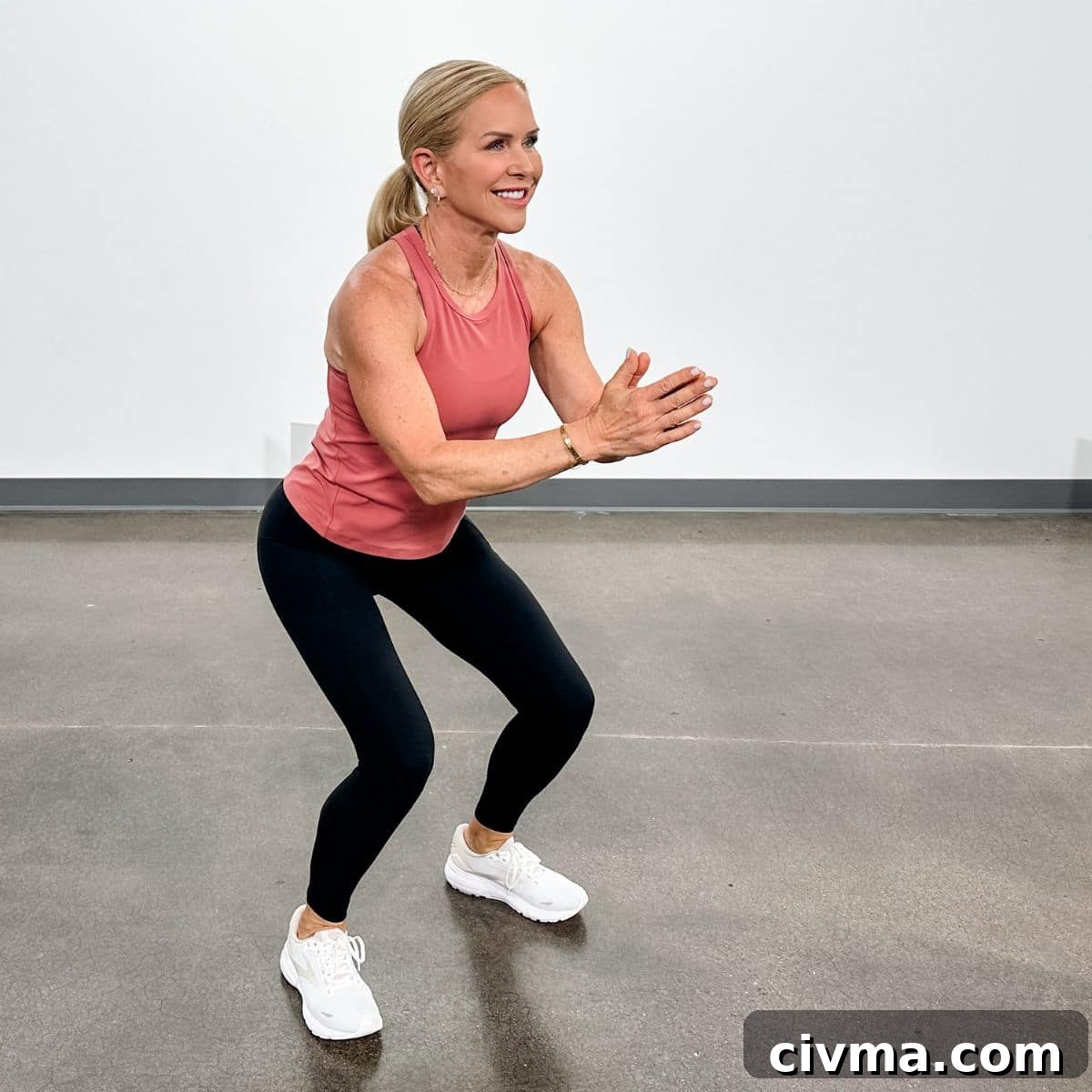
Training opposing muscle groups together works the front and back of the same body area in one session, helping improve strength, stability, balance, and muscle growth.
One of the most common questions people ask when they begin strength training is, “What muscle groups should I work out together?”
Whether you are new to strength training or already have a consistent routine, knowing how to pair muscle groups can help you get more from every workout. A smart approach is to train opposing muscle groups, also known as agonist and antagonist muscles, in the same session. These muscles naturally work together during everyday movements, so training them together is efficient and practical.
In simple terms, this means working both the front and back of one area of the body during the same workout. This strategy also makes it easier to plan your weekly strength routine, target different areas on different days, and allow enough recovery time between sessions.
Here are four effective muscle group combinations to train together:
- Workout #1: Chest and Back
- Workout #2: Quads and Hamstrings
- Workout #3: Biceps, Triceps, and Shoulders
- Workout #4: Glutes and Abdominals
Learning which muscle groups to train together can help you build muscle, improve total-body strength, and create a more balanced physique. Below are four workouts designed around opposing muscle groups.
As you move through these exercises, pay attention to tempo and control. Focusing on the eccentric portion of each movement, which is the lowering phase, can help build strength and muscle without leaving you overly exhausted.
Muscle Group #1: Chest & Back
This opposing muscle group workout targets the chest and back to strengthen and tone the upper body. Think of it as pairing your pushing muscles with your pulling muscles.
Chest & Back Workout Instructions:
- Choose a medium-to-heavy set of dumbbells that allows you to complete the workout with good form while still feeling challenged. For many people, this may be between 8 and 15 pounds.
- Complete the exercises below in a circuit format. Perform each exercise for 45 seconds, followed by 15 seconds of rest.
- Use the rest period to catch your breath, reset your posture, and prepare for the next movement.
1. Chest Fly
The chest fly is a strong addition to an upper-body strength routine because it targets the chest while also engaging the shoulders.
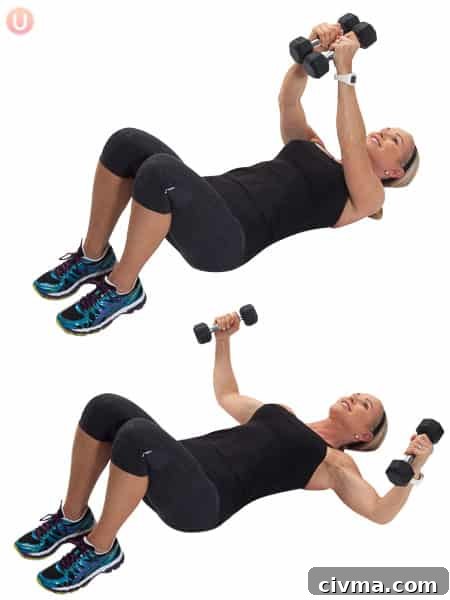
How to Perform a Chest Fly:
- Lie on your back with knees bent and feet flat on the floor. Hold the dumbbells straight above your chest.
- With a slight bend in your elbows, slowly open your arms out wide to the sides.
- Squeeze your chest as you bring the weights back together above your chest.
- Repeat for the desired number of reps.
2. Renegade Row
The renegade row is a compound exercise that works the back, shoulders, and core at the same time. It also challenges stability and can raise your heart rate.
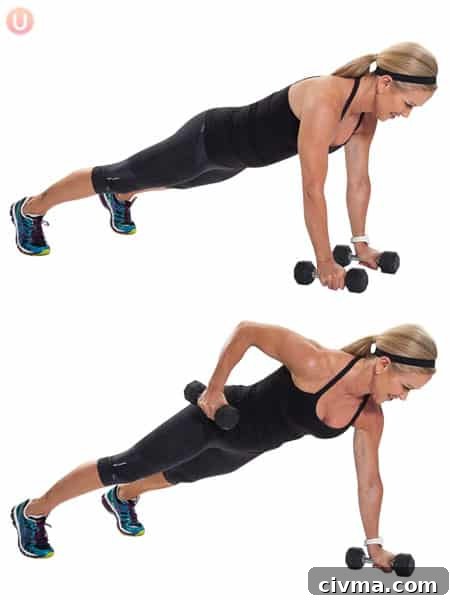
How to Perform a Renegade Row:
- Begin in a full plank with a dumbbell in each hand, arms extended, and toes on the floor. You may also use a kneeling variation. Engage your abdominals by drawing your belly inward toward your spine.
- Pull the right dumbbell toward your right hip bone, keeping the weight close to your side. Slowly return it to the floor, then repeat on the left side.
3. Push-Up
The push-up is one of the most effective strength exercises because it works several muscle groups at once. The chest is the main focus, while the shoulders, triceps, and core also help support the movement.
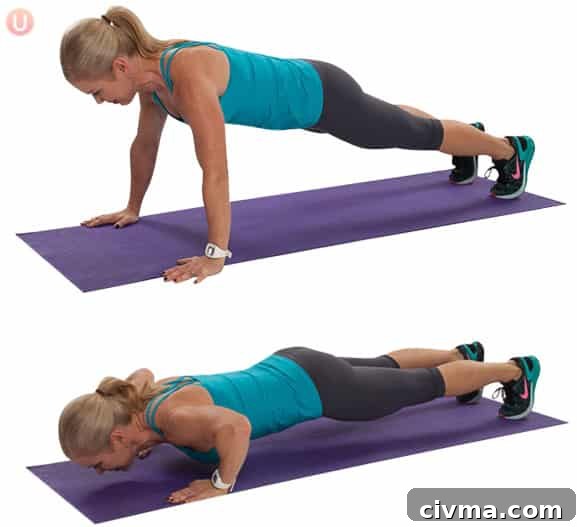
How to Perform a Push-Up:
- Begin in a plank position with hands below shoulders, legs extended behind you, and your body in a straight line.
- Point your elbows slightly back, bend them, and slowly lower your body until you are just above the floor. Keep your gaze slightly forward and your core engaged.
- Exhale, tighten your abdominals, and press back up to plank position. That is one repetition.
4. Reverse Grip Double Arm Rows
The reverse grip double arm row strengthens the back muscles, an area that is often undertrained. Building back strength can also support better posture.
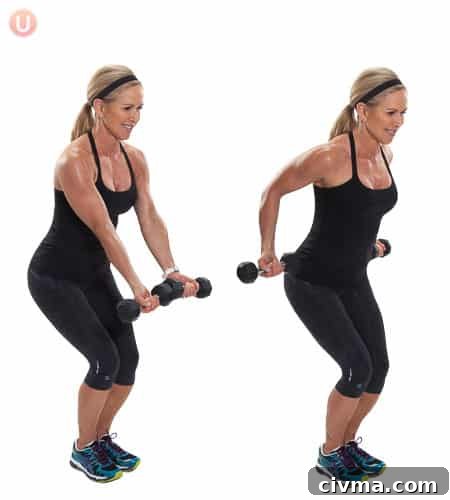
How to Perform Reverse Grip Double Arm Rows:
- Stand with feet together and sit back into a slight squat. Engage your abdominals. Hold the dumbbells in front of your body at hip height with palms facing up.
- Draw your elbows back past your hips, keeping them close to your sides. Feel your lats and triceps engage, then return forward with control.
5. Chest Press
The chest press is a classic strength move that targets the chest while the shoulders and arms assist the movement.
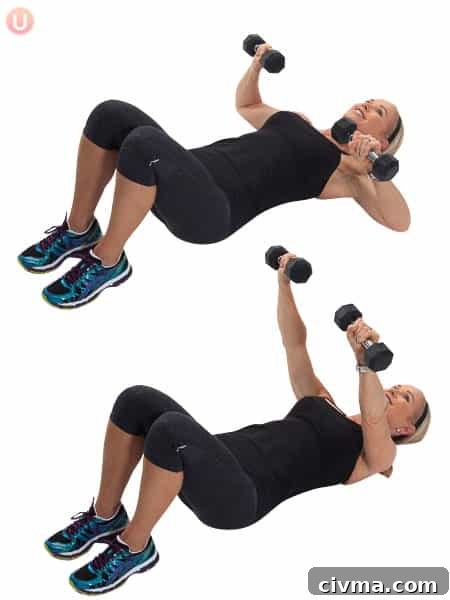
How to Perform a Chest Press:
- Lie on your back with knees bent and feet flat on the floor. Start with elbows bent and dumbbells at shoulder height.
- Press the dumbbells upward until your arms are fully extended, then slowly lower back to the starting position.
6. Overhead Pull
The overhead pull is an effective exercise for targeting the back muscles while also requiring core control.
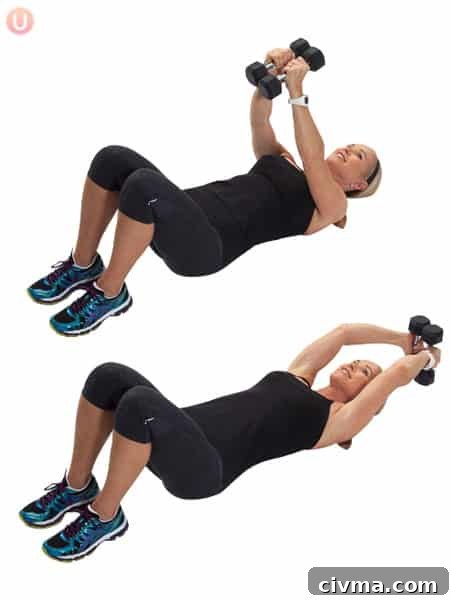
How to Perform an Overhead Pull:
- Lie on your back with knees bent and feet flat on the floor. Extend your arms above your chest and engage your abdominals.
- Lower the dumbbells past your head, keeping your arms mostly straight with a slight bend in the elbows.
- Keeping your core tight, raise the dumbbells back to the starting position. Your lower back should stay steady against the floor throughout the movement.
Repeat this circuit three times for a complete upper-body workout.
Muscle Group #2: Quads & Hamstrings
This opposing muscle group workout focuses on the quads and hamstrings. It is designed to strengthen the legs, improve stability, and support better lower-body performance.
The goal is to train the front and back of the legs together while maintaining good form and working to fatigue.
If the last few reps feel very challenging, you are likely using the right amount of resistance. If you finish easily and feel like you could keep going, consider increasing your weight.
Quads and Hamstrings Workout Instructions:
- Choose a set of medium-to-heavy dumbbells based on your fitness level. A range of 8 to 20 pounds may work for many exercisers.
- Complete 12 repetitions of each exercise and repeat the full workout three times.
1. Basic Squat
The basic squat is a foundational lower-body exercise that targets the glutes, quads, and hamstrings.
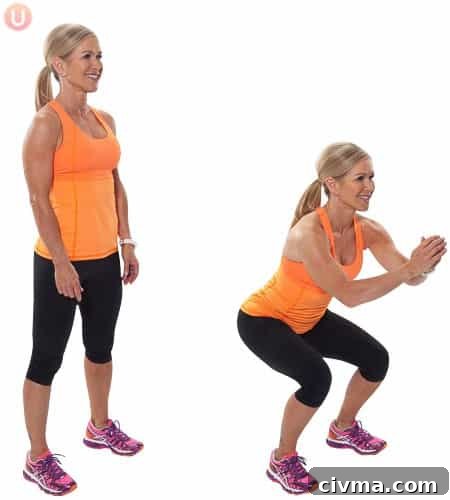
How to Perform a Basic Squat:
- Stand tall with feet hip-distance apart. Keep your hips, knees, and toes facing forward.
- Bend your knees and send your hips back as if sitting into a chair. Keep your knees behind your toes and your weight in your heels.
- Press through your heels to rise back up, then repeat.
2. Deadlift
The deadlift is a compound strength exercise that works muscles throughout the body, especially the hamstrings and glutes. Proper form is important to avoid placing stress on the lower back.
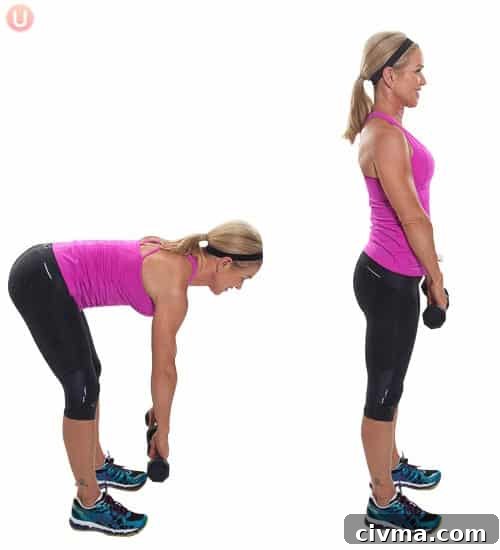
How to Perform a Deadlift:
- Stand with feet hip-distance apart and dumbbells resting in front of your thighs.
- Tighten your abdominals and keep your back flat as you slightly bend your knees and lower the dumbbells toward the floor.
- Squeeze your glutes and use your hamstrings and legs to return to standing.
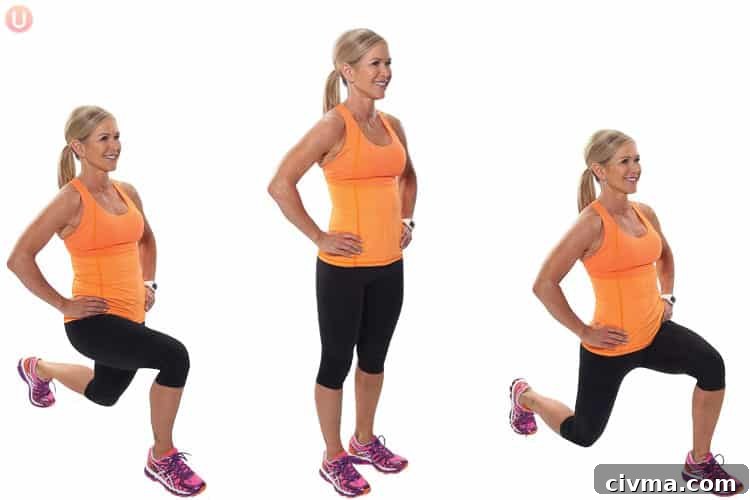
3. Alternating Lunges
Alternating lunges target the lower body while also improving balance, coordination, and control.
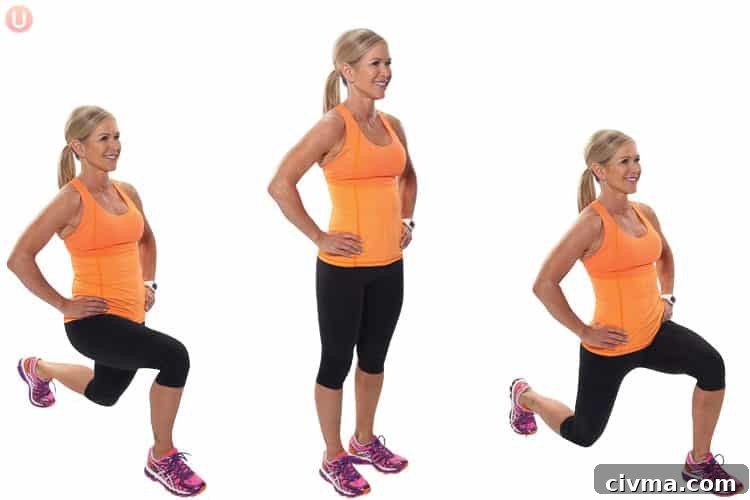
How to Perform Alternating Lunges:
- Stand tall with feet hip-distance apart.
- Take a large step forward and lower your body toward the floor. Both legs should bend to about 90 degrees at the bottom of the lunge.
- Push through the front foot to return to the starting position, then repeat on the other side.
- Perform 6 reps on each side.
4. Single-Leg Hamstring Bridge (Left Side)
The single-leg hamstring bridge engages the hamstrings and glutes while challenging lower-body stability.
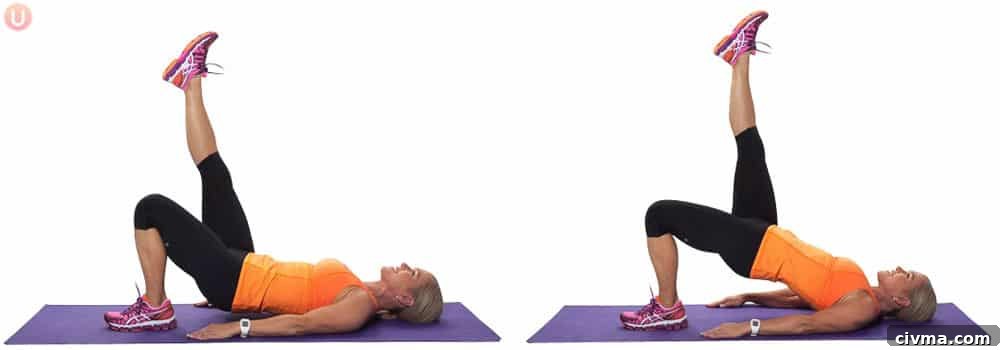
How to Perform a Single-Leg Hamstring Bridge:
- Lie on your back with knees bent hip-distance apart and feet flat on the mat under your knees. Extend one leg toward the ceiling.
- Squeeze your glutes and lift your hips into a bridge. Lower and lift for the desired number of reps, then repeat on the other side.
5. Pistol Squat
The pistol squat is an advanced bodyweight exercise that challenges lower-body strength, flexibility, and balance. If needed, hold a counter or stable surface for support.
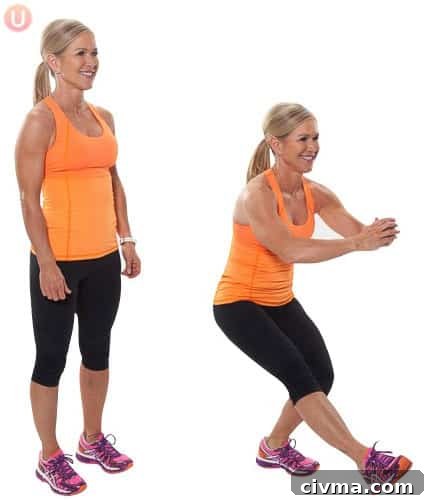
How to Perform Pistol Squats:
- Stand with feet hip-distance apart and extend one leg in front of your body.
- Bring your hands to your hips or in front of your body for balance. Sit back into a squat, keeping your weight in the heel of the standing foot.
- Use your glutes and hamstrings to stand back up. Repeat for the desired number of reps, then switch sides.
6. Single-Leg Hamstring Bridge (Right Side)
Repeat the same single-leg hamstring bridge on the right side to keep your training balanced.
How to Perform a Single-Leg Hamstring Bridge on the Right Side:
- Lie on your back with knees bent hip-distance apart and feet flat on the mat under your knees. Extend one leg toward the ceiling.
- Squeeze your glutes and lift your hips into a bridge. Lower and lift for the desired number of reps.
Muscle Group #3: Biceps, Triceps and Shoulders
This upper-body HIIT workout combines biceps, triceps, and shoulders in one efficient routine. You only need dumbbells and your bodyweight.
Bicep, Tricep and Shoulder Workout Instructions:
- Choose a light-to-heavy set of dumbbells that you can control for each 20-second work interval.
- Perform each exercise with strong form for 20 seconds, followed by 10 seconds of rest before moving to the next move.
- Repeat the full training sequence for a total of 5 rounds, which is approximately a 20-minute workout.
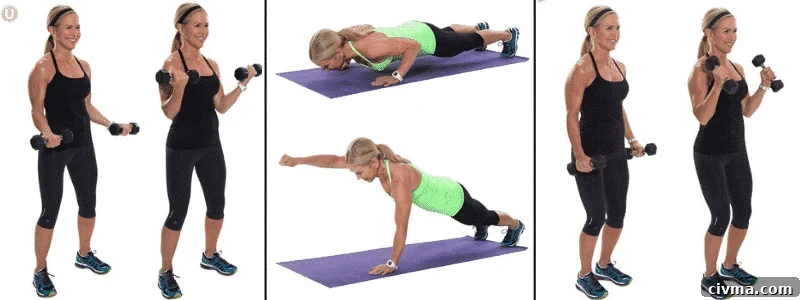
Block 1: Bicep Curls, Push Up Punches, Hammer Curls
Perform each exercise for 20 seconds, then rest for 10 seconds before moving to the next one:
- Bicep Curl
- Push Up Punch
- Hammer Curl
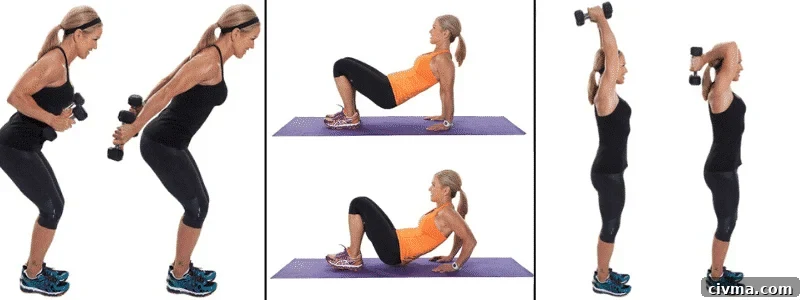
Block 2: Tricep Kickbacks, Tricep Dips, Overhead Tricep Extensions
Perform each exercise for 20 seconds, then rest for 10 seconds before moving to the next one:
- Tricep Kickback
- Tricep Dips
- Overhead Tricep Extension
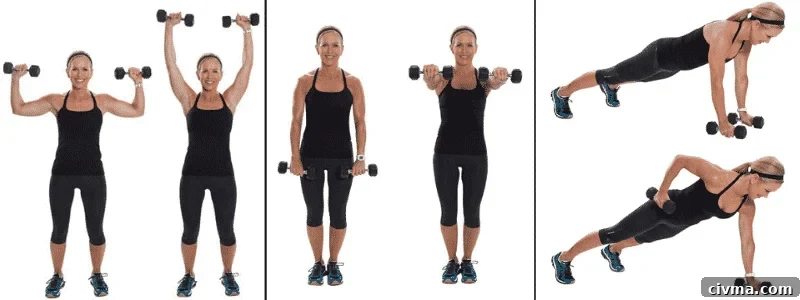
Block 3: Overhead Shoulder Presses, Shoulder Front Raises, Renegade Rows
Perform each exercise for 20 seconds, then rest for 10 seconds before moving to the next one:
- Overhead Shoulder Press
- Shoulder Front Raise
- Renegade Rows
Muscle Group #4: Glutes & Abdominals
A glutes and abdominals workout helps strengthen the core, train the backside, and support better posture and overall athletic performance. This combination is popular because it targets both stability and strength.
Glute and Abdominal Workout Instructions:
- Start with Circuit 1.
- If you have energy left, finish with the burnout round.
Circuit 1: Glutes and Abs
Complete each exercise for 30 seconds, followed by 15 seconds of rest. Move through the full circuit three or four times:
- Cross Behind Lunge (30 Seconds)
- Forearm Plank (30 Seconds)
- Glute Kicker (30 Seconds)
- Full Sit Up (30 Seconds)
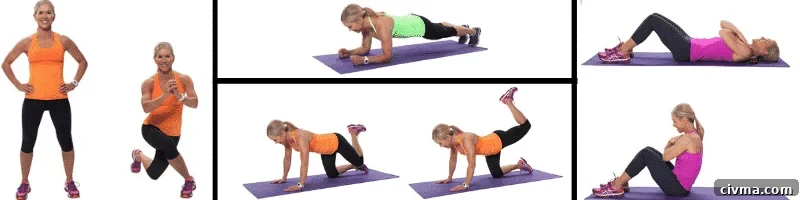
Circuit 2: Burnout Exercises
Finish your workout with these two burnout exercises. Complete each for 30 seconds and repeat the circuit two times:
- Burpees (30 Seconds)
- Superman (30 Second Hold)
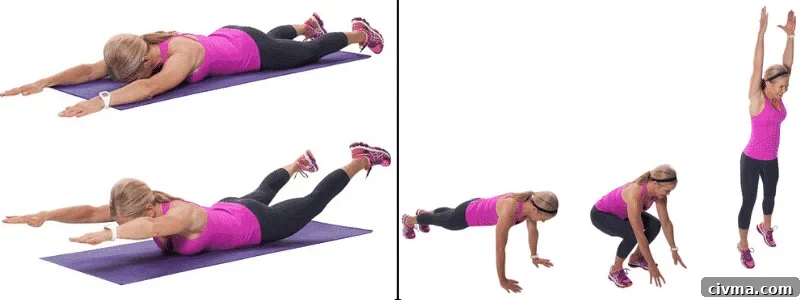
Sample Schedules
These sample workout schedules can help you organize your week. By training opposing major muscle groups together, you can divide your workouts across the week while allowing each muscle group enough time to recover.
Whether you can strength train two, three, or four days per week, consistency is key. Stay steady, use weights that challenge you, and work with good form to build strength over time.
Opposing Muscle Workouts: 4 Days a Week
| Monday | Upper Body: chest and back |
| Tuesday | Legs: glutes and hamstrings |
| Thursday | Upper Body: shoulders and arms |
| Saturday | Lower Body: glutes and abdominals |
Opposing Muscle Workouts: 3 Days a Week
| Day 1 | Chest, back, and shoulders |
| Day 2 | Biceps, triceps, and abs |
| Day 3 | Quads, hamstrings, and glutes |
Opposing Muscle Workouts: 2 Days a Week
If two strength sessions per week fit your schedule best, divide your routine into upper body and lower body workouts. Because you are training more muscle groups in each session, you may complete fewer exercises or fewer repetitions per muscle group, which can be especially helpful for beginners.
| Day 1 | Upper Body: chest, back, biceps, triceps, and shoulders |
| Day 2 | Lower Body and Core: glutes, hamstrings, and abs |
FAQS
Combining opposing muscle groups trains the front and back of the same body area in one session. This can help improve strength, stability, balance, and muscle development.
Training different muscle areas on separate days can give your muscles enough time to recover between workouts. This may help reduce the risk of overtraining and support better performance.
Building muscle supports metabolism because muscle tissue uses more energy at rest than body fat. All consistent strength training can be beneficial, and pairing opposing muscle groups is an efficient way to structure your routine.