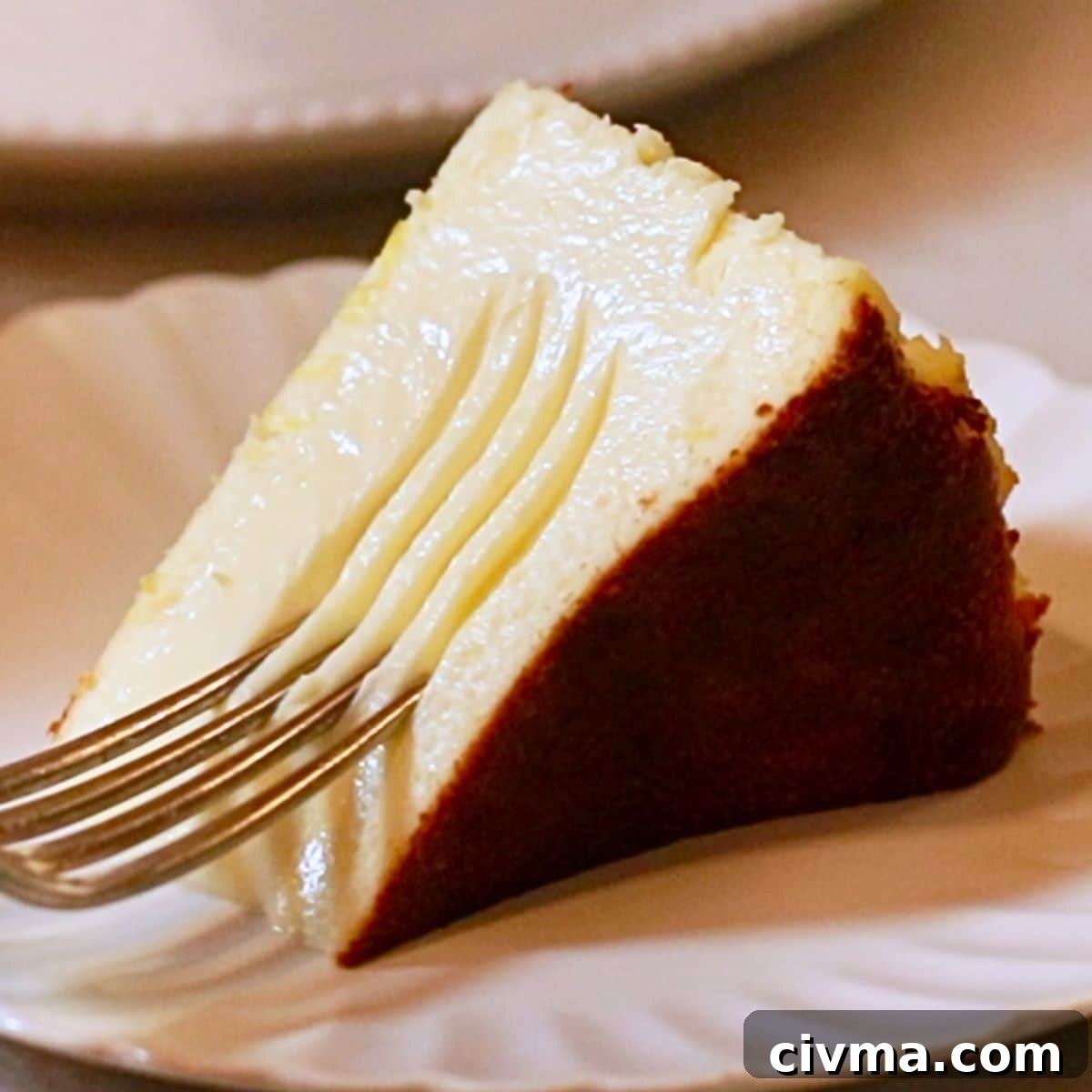
Learn how to make a perfectly creamy Basque cheesecake at home with simple steps and everyday ingredients. This easy gluten-free, crustless cheesecake is mixed in a bowl, baked at high heat, and chilled until smooth, rich, and sliceable.
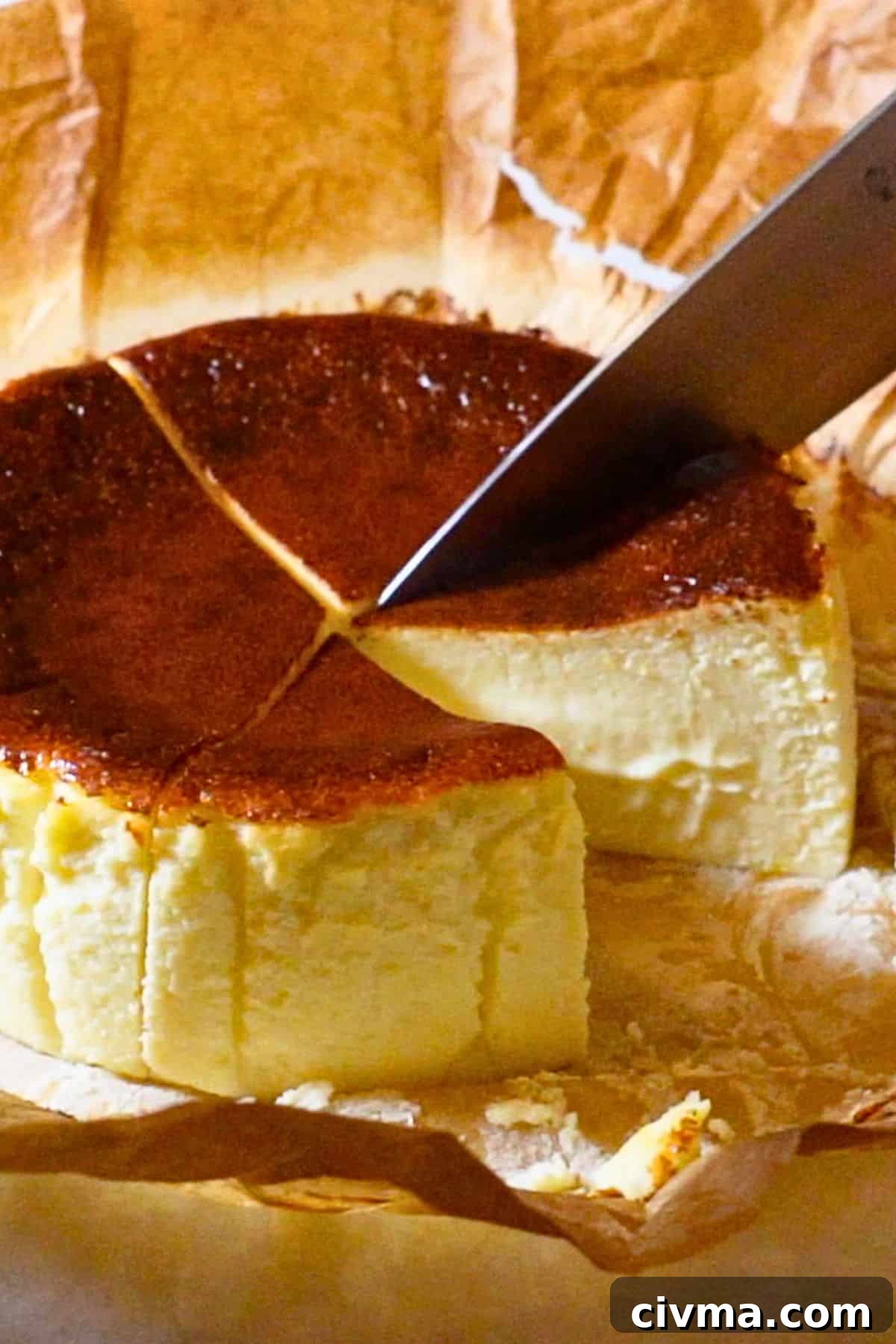
What Is Basque Cheesecake?
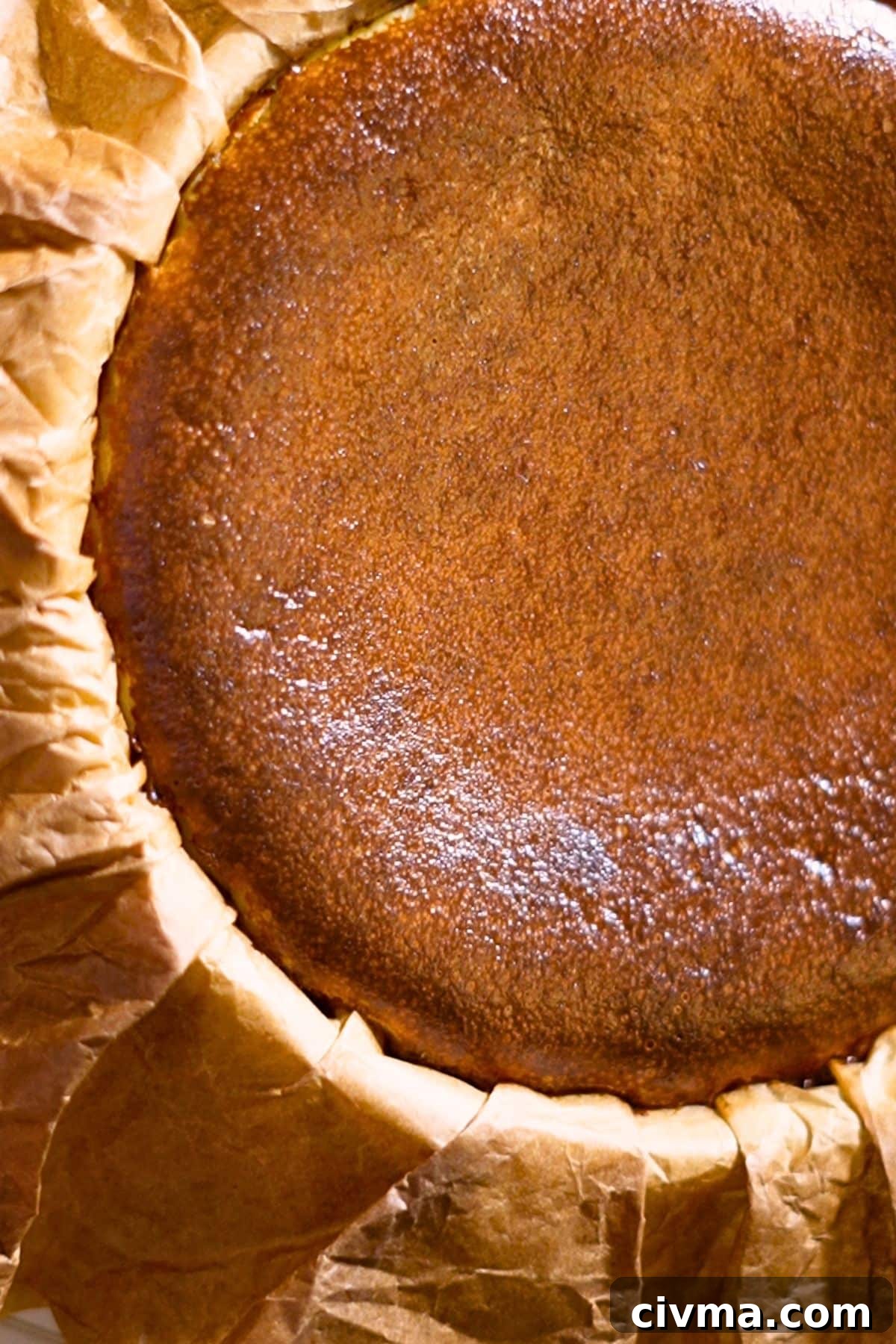
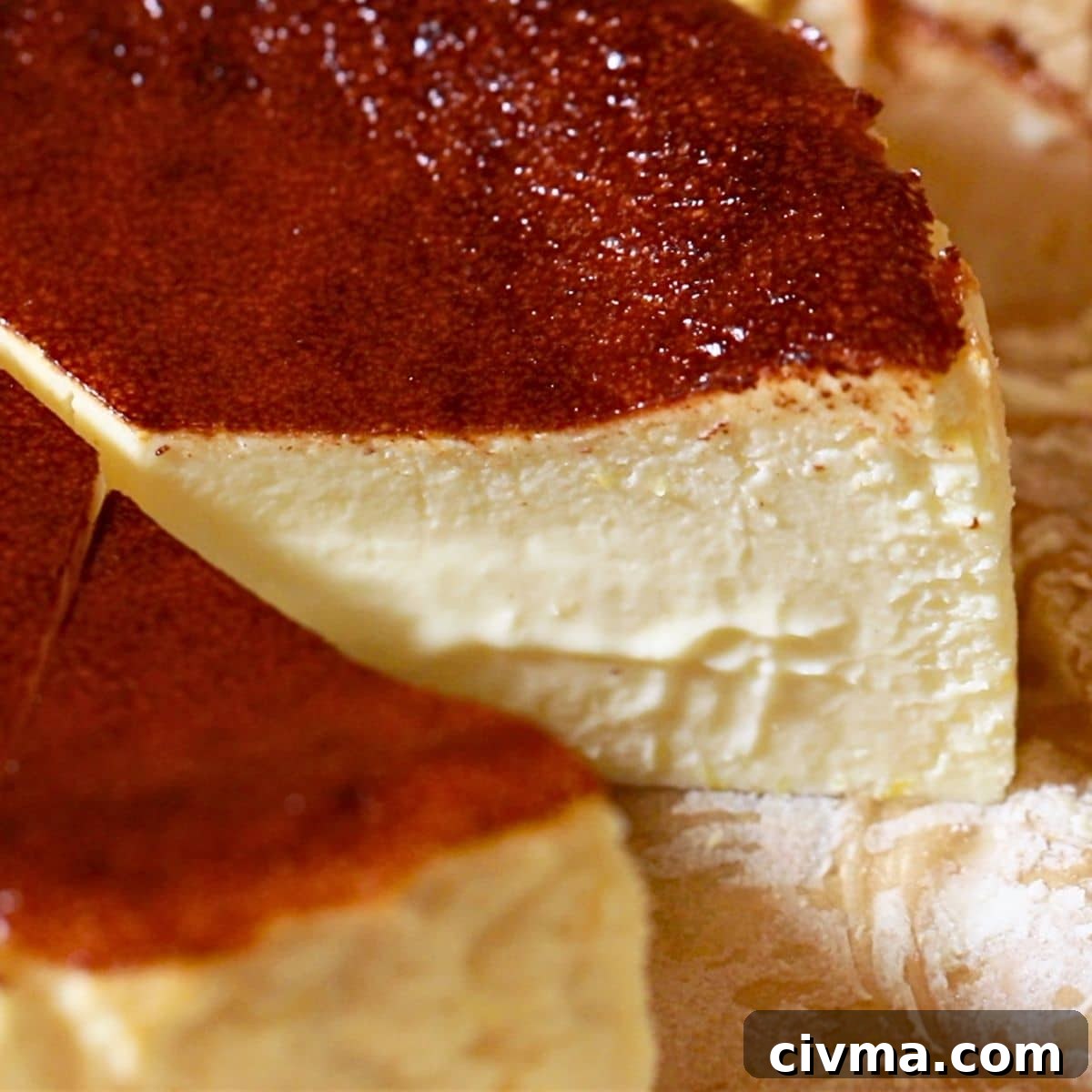
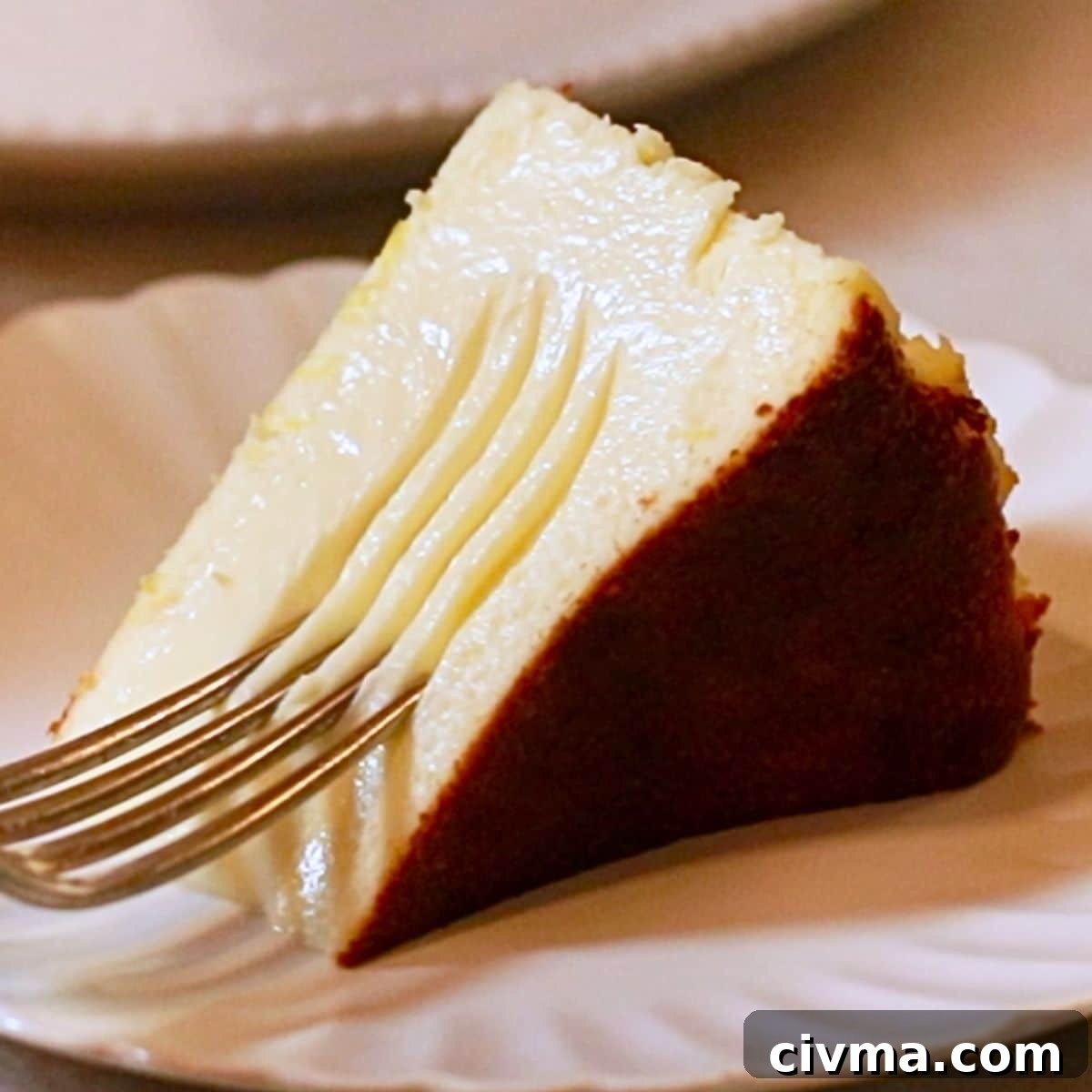
Basque cheesecake is one of the most beloved baked cheesecakes because it is rustic, dramatic, and incredibly creamy. Unlike classic baked cheesecakes with a crust and a pale top, this cheesecake is baked at a very high temperature until the surface becomes deeply browned, almost burnt. That bold caramelized top is not a mistake; it is the signature look and flavor of Basque burnt cheesecake.
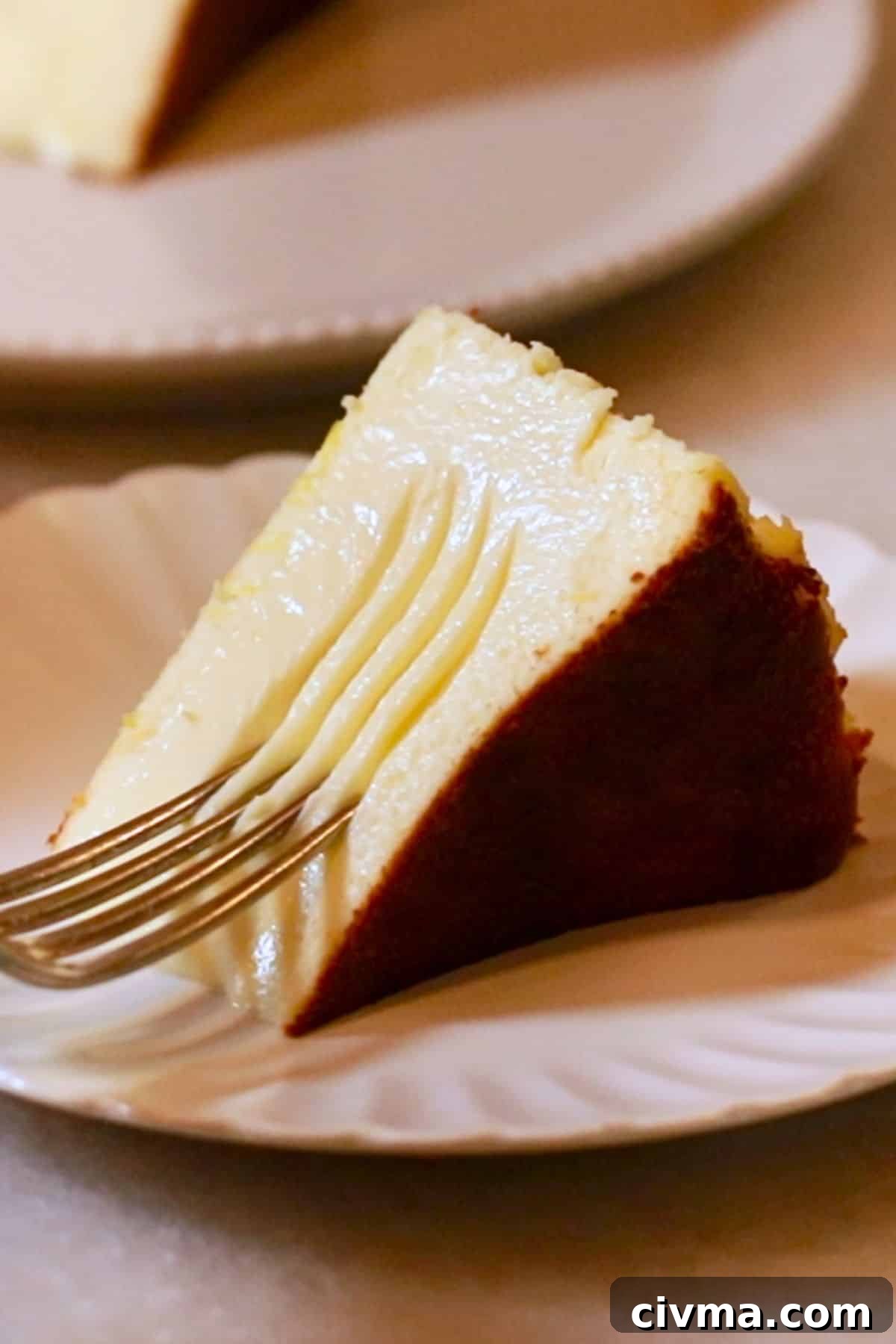
The high heat and short baking time create a beautiful contrast in texture. The outside becomes set, browned, and slightly firm, while the inside stays soft, smooth, and custard-like. When chilled properly, the center becomes creamy and rich without being heavy. It has the elegance of a baked custard with the tangy flavor of cream cheese.
This easy Basque cheesecake recipe is also naturally crustless and made with cornstarch instead of flour, making it a great gluten-free cheesecake option. The batter comes together in a bowl with a whisk, so you do not need complicated equipment or advanced pastry skills.
The most important part of making Basque cheesecake is the baking time. It determines whether the center turns out creamy and softly set or too firm. This guide walks you through the key tips, mixing method, baking cues, chilling time, and troubleshooting steps so you can make a successful Basque cheesecake at home.
Let’s get started.
4 Reasons Why You’ll Love This Basque Cheesecake
Easy Basque Cheesecake
This recipe uses simple ingredients and a straightforward mixing method. You only need a bowl, a whisk, a spatula, parchment paper, and a 6-inch round cake pan.
Gluten-Free Cheesecake
This is a gluten-free, crustless cheesecake made with cornstarch instead of regular flour. It is a helpful dessert option when you want a rich cheesecake without a wheat-based crust.
Creamy Texture
The cheesecake has a smooth, creamy center that becomes even better after chilling. For the best texture and flavor, let it rest in the refrigerator until fully cold before slicing.
Perfectly Tangy
Lemon zest and lemon juice add a refreshing tang that balances the richness of the cream cheese and heavy cream. You do not need sour cream or additional cheeses to create a bright cheesecake flavor.
5 Success Tips For Making Basque Cheesecake
Basque cheesecake is simple, but a few details make a big difference. These tips will help you avoid lumpy batter, overmixed texture, and a center that is either too runny or too firm.
Tip 1. Use Room Temperature Cream Cheese
Make sure the cream cheese is fully softened before mixing. Cold cream cheese is too firm and can leave lumps in the batter. Leave it at room temperature ahead of time so it blends smoothly with the other ingredients.
Cut the cream cheese into smaller pieces and warm it in the microwave for 5 to 10 seconds at a time until softened. Warm it gently so it does not melt or overheat.
Tip 2. Avoid Over-Whipping the Batter
Mix until smooth, but do not whip the ingredients. Too much air can cause the batter to rise excessively, overflow, or bake with a less silky texture. A smooth, dense batter is ideal for creamy Basque cheesecake.
Tip 3. Baking Time Is Crucial
The baking time controls the final texture. If the cheesecake bakes too long, the center will become firm. If it bakes too briefly, the middle may be too runny and taste underbaked. Before removing it from the oven, check the wobble. The center should jiggle like very soft pudding.
Every oven heats differently, so use the listed time and temperature as a starting point. Once you know how your oven behaves, adjust the baking time slightly in future batches if needed.
Tip 4. Chill the Cake Before Slicing
Do not slice the cheesecake while it is warm. The center needs time to set, and it will be too loose before chilling. Refrigerate it for at least 5 to 6 hours. If you have time, chill it for 24 hours for a creamier texture and fuller flavor.
Tip 5. Use a Hot Knife to Slice
For clean slices, warm a sharp knife with hot water, wipe it dry, and cut through the cheesecake. Repeat between slices for the neatest finish.
Video: Watch How To Make Basque Cheesecake
Follow the step-by-step video tutorial to see the batter texture, baking color, and the correct wobble before chilling.
Tips For The Ingredients
- Granulated sugar: White sugar keeps the flavor clean and lets the cream cheese shine.
- Salt: A small amount of salt enhances the tangy cream cheese flavor.
- Cornstarch: Cornstarch helps the cheesecake set while keeping the texture light and smooth.
- Lemon zest: Lemon zest adds a fresh citrus aroma and a gentle brightness.
- Cream cheese: Use full-fat cream cheese that is fully softened for the smoothest batter.
- Eggs: Eggs help the cheesecake set and add richness.
- Heavy cream: Heavy cream gives the cheesecake its luxurious, creamy center. A cream with 35% to 45% milk fat works well.
- Lemon juice: Lemon juice adds a tangy note that balances the richness.
- Vanilla extract: Vanilla adds warmth and aroma. Vanilla beans can also be used for a deeper scent.
How To Make Basque Cheesecake
Preparation
- Soften the cream cheese at room temperature until completely soft.
- Line a 6-inch round cake pan with parchment paper. The parchment should come high up the sides because the cheesecake rises in the oven. Use two sheets if needed.
- Preheat the oven to 460°F (237°C).
Aya’s Quick Tip
You do not need to grease the pan. Once the cheesecake is chilled, the parchment paper helps lift it out cleanly.
Make the Cheesecake Batter
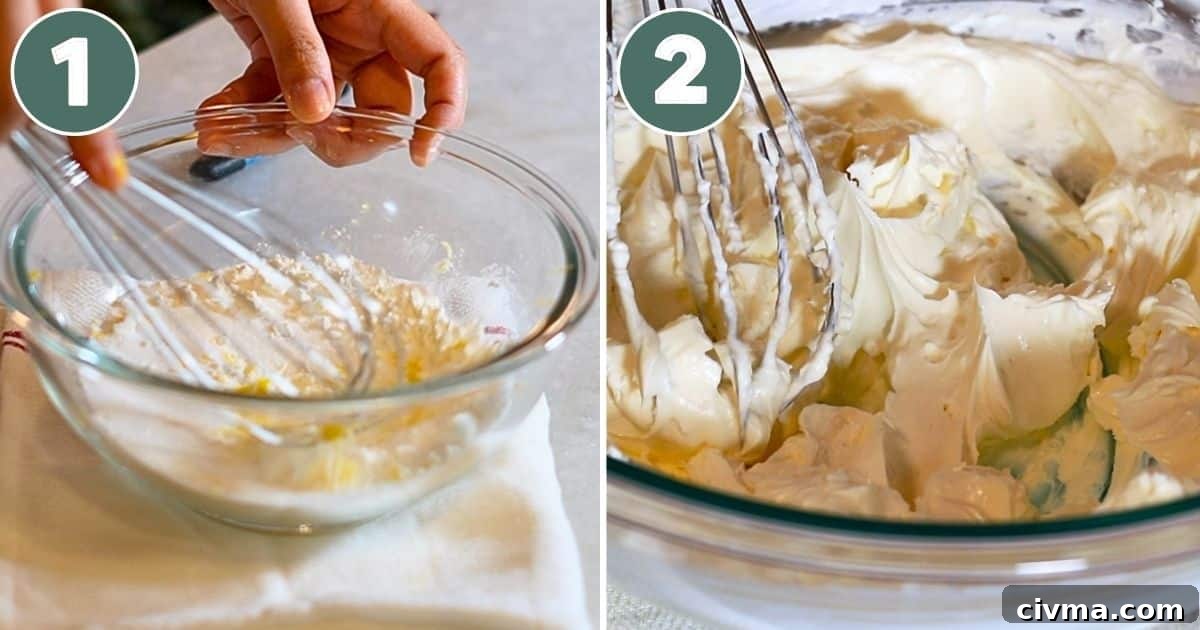
- Whisk the dry ingredients: In a small bowl, whisk together the sugar, salt, cornstarch, and lemon zest until the cornstarch is evenly dispersed and no lumps remain. Set aside.
- Whisk the cream cheese: In a large bowl, whisk the softened cream cheese until smooth. Mix gently and avoid whipping in extra air.
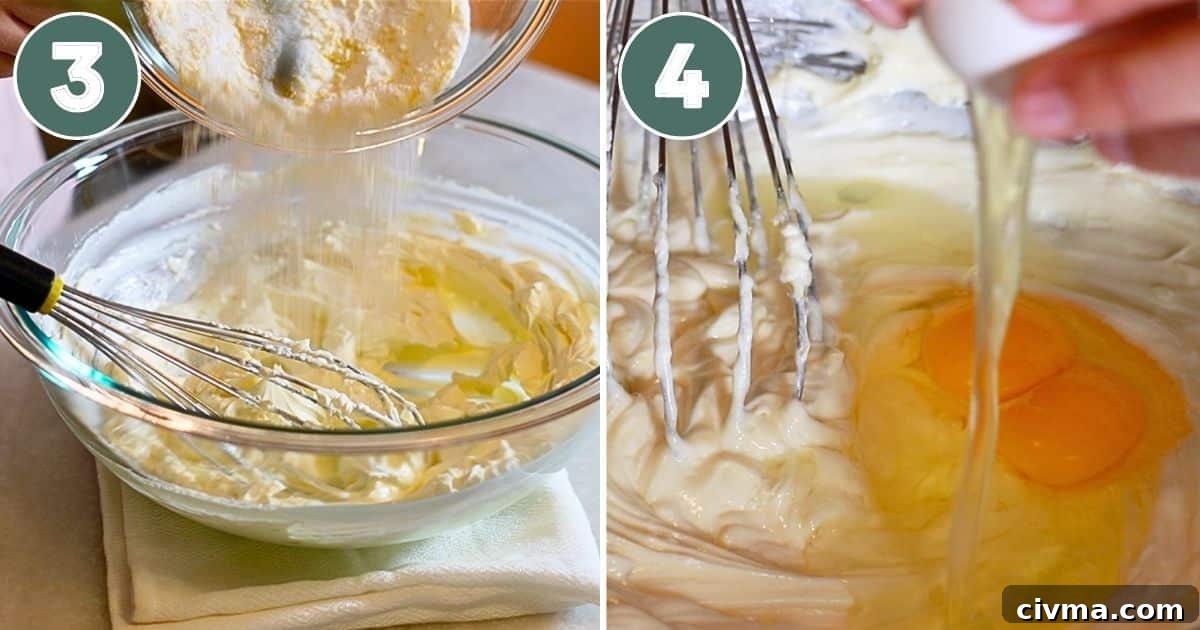
- Combine the cream cheese and dry mixture: Add the sugar mixture to the cream cheese and whisk until creamy and smooth.
- Add the eggs: Whisk until the batter is smooth again, being careful not to overmix.
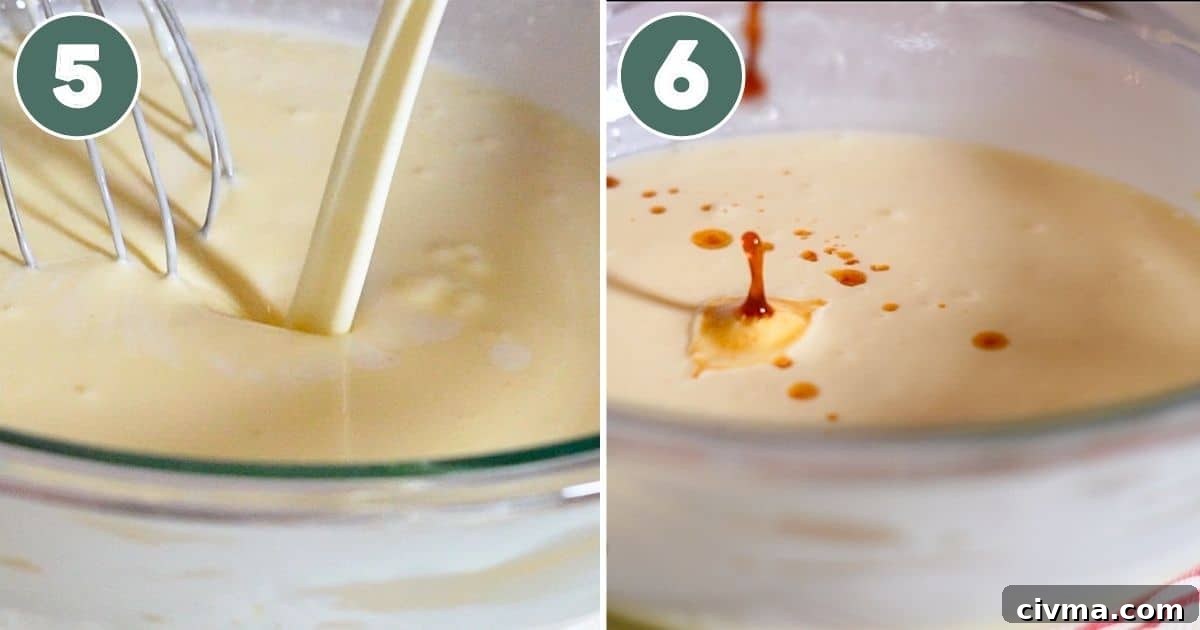
- Add the warm heavy cream: Pour in part of the gently warm heavy cream and whisk until combined. Add the remaining cream and whisk again.
- Add vanilla and lemon juice: Switch to a rubber spatula and mix until incorporated. Scrape the sides and bottom of the bowl so the batter is even.
Why Warm the Heavy Cream?
Warming the cream is not required, but it helps the batter bake a little more evenly during the short high-heat baking time.
Bake and Chill It
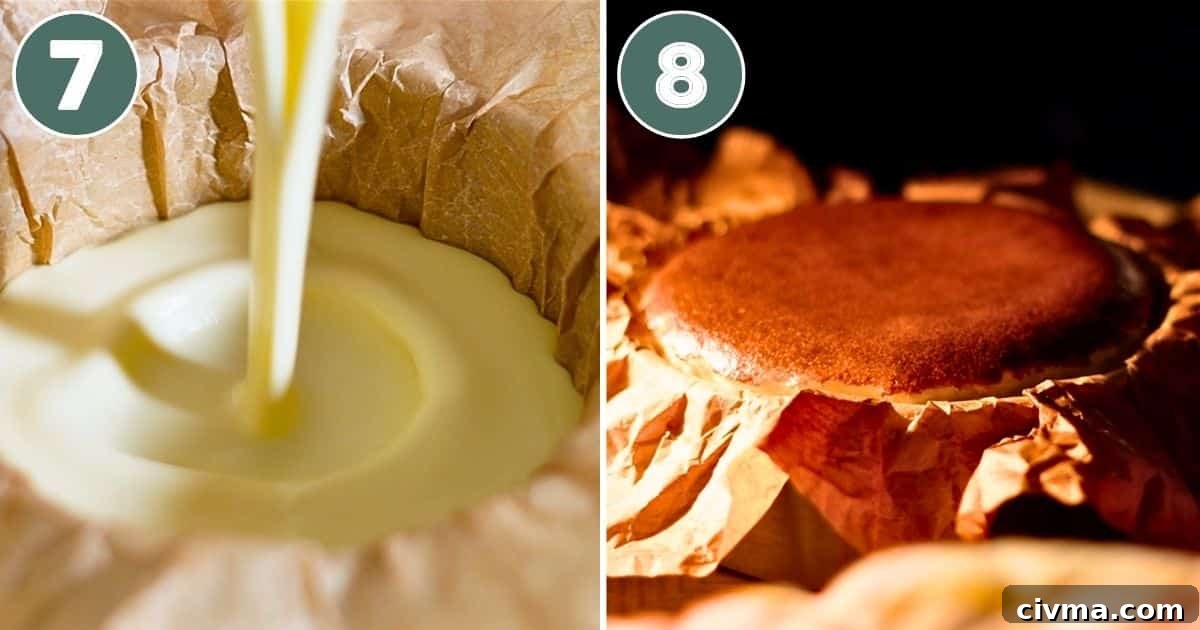
- Pour the batter into the prepared pan: Small air bubbles on the surface are fine, as many will pop in the hot oven.
- Bake: Place the pan on a baking sheet and bake on the middle rack at 460°F (237°C) for about 30 minutes. The top should be deeply browned, and the center should wobble like very soft pudding.
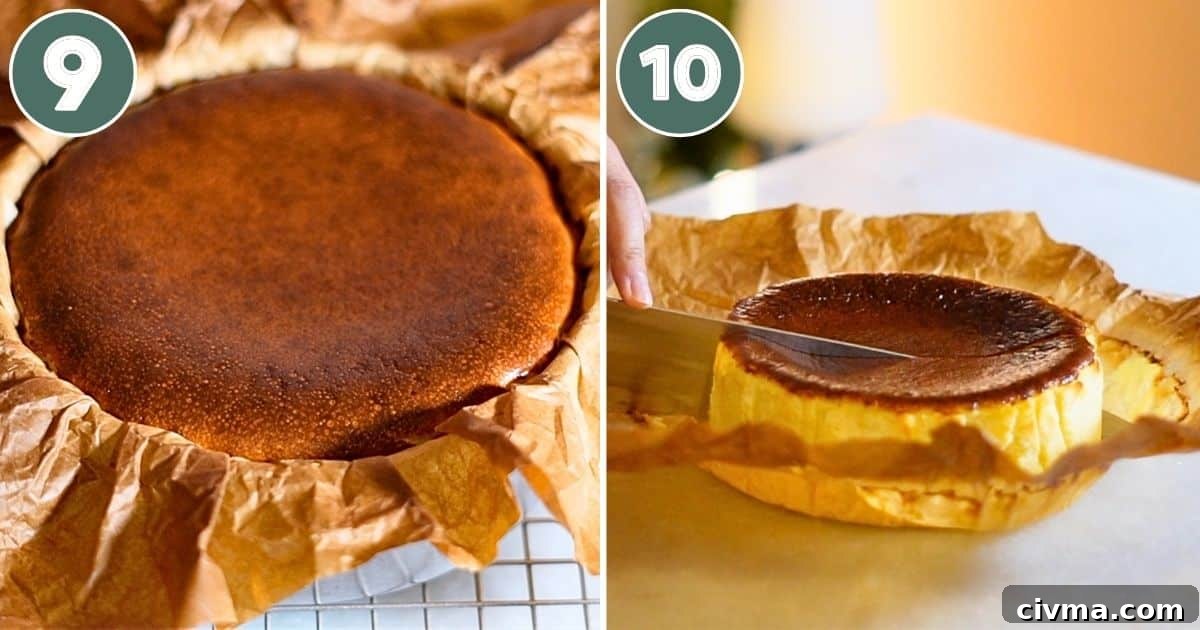
- Chill: Let the cheesecake cool on a wire rack, then refrigerate for at least 5 to 6 hours until the center is fully chilled.
- Slice and serve: Use a hot, sharp knife for clean slices. Serve chilled and enjoy the creamy texture.
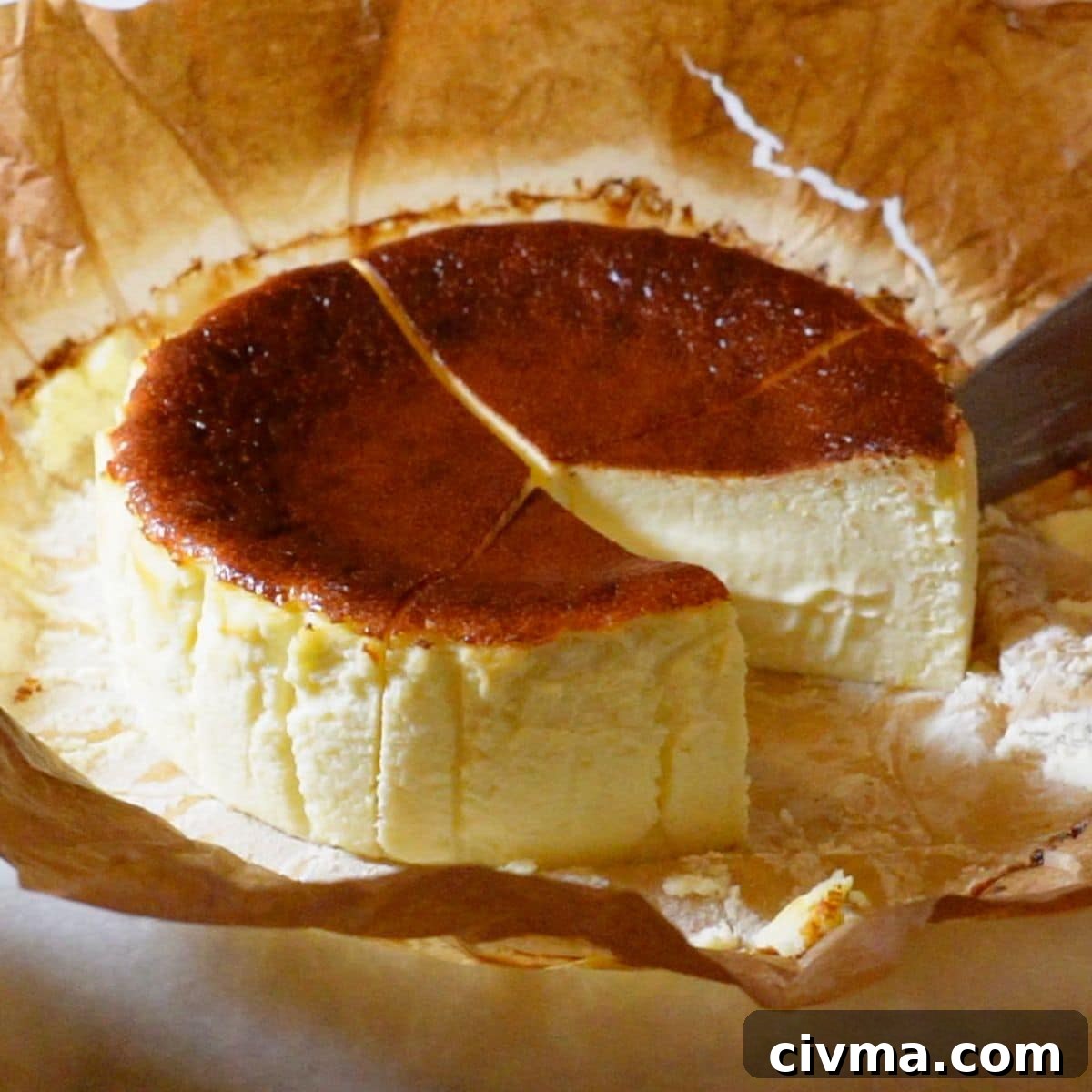
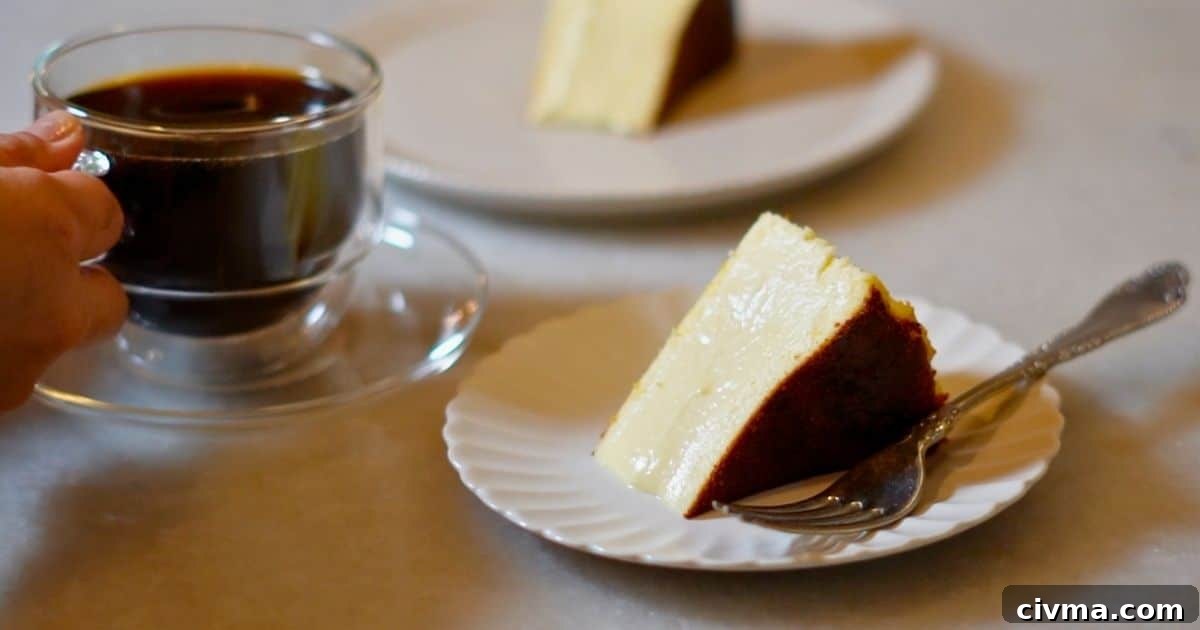
Now it is time for a sweet break. Enjoy this creamy gluten-free Basque cheesecake with your favorite drink.
Aya xx
FAQs
Basque cheesecake was created in San Sebastián, Spain, in the 1980s by chef Santiago Rivera at his restaurant, La Viña.
Basque cheesecake is baked at a much higher temperature for a shorter time. This method creates a browned exterior and a soft, creamy interior.
Wrap the surface with plastic wrap and store the cheesecake in an airtight container in the refrigerator for up to 4 days.
Yes. Freeze it for a few months, then thaw it in the refrigerator overnight before serving.
Yes. This Basque cheesecake is gluten-free because it is made with cornstarch instead of regular flour and has no crust.
Troubleshooting Tips
If the cheesecake still needs more color before it is fully baked, use the broiler for a few minutes and watch it closely. If you must choose, prioritize the texture over the color.
If it has already cooled, chill it longer in the refrigerator. The cheesecake firms as it gets colder.
The center will not be as soft, but the cheesecake will still taste delicious. Chilling it for a full day can help the texture become smoother and creamier.
The cream cheese was probably too cold or not fully softened. Always soften it well and whisk it smooth before adding the other ingredients.
More Cheesecake Recipes
If you loved this Basque cheesecake recipe, try another cheesecake next time.
- New York cheesecake
- Matcha baked cheesecake
- No-bake strawberry cheesecake
- Mini strawberry baked cheesecake
Did You Try the Recipe?
Let me know your honest feedback in the comment section below. I would love to hear how you enjoyed this creamy Basque cheesecake with friends and family.
Thank you! – Aya
Easy Basque Cheesecake
Video
Ingredients
- 100 g (½ cup) granulated sugar
- ⅛ teaspoon salt
- 17 g (2 tablespoons) cornstarch
- Zest of ½ lemon
- 450 g (2 cups) cream cheese, softened
- 150 g eggs (about 3 eggs)
- 240 g (1 cup) heavy cream, gently warmed
- 2 teaspoons lemon juice
- ½ teaspoon vanilla extract
For best results, measure the ingredients with a scale. Cup measurements are provided for convenience.
Equipment
- 6-inch (16 cm) round cake pan
- Parchment paper
- Mixing bowls
- Whisk
- Rubber spatula
Method
- Prepare: Soften the cream cheese completely. Line a 6-inch pan with parchment paper, making sure the paper rises above the sides. Preheat the oven to 460°F (237°C).
- Mix the dry ingredients: Whisk together the sugar, salt, cornstarch, and lemon zest until smooth and lump-free.
- Whisk the cream cheese: In a large bowl, whisk the softened cream cheese until smooth without whipping in too much air.
- Add the dry mixture: Add the sugar mixture to the cream cheese and whisk until creamy.
- Add the eggs: Whisk until the batter is smooth again.
- Add the cream: Pour in part of the warm heavy cream and whisk to combine. Add the rest and whisk again.
- Finish the batter: Add lemon juice and vanilla extract. Mix with a rubber spatula, scraping the sides and bottom of the bowl.
- Fill the pan: Pour the batter into the prepared pan.
- Bake: Place the pan on a baking sheet and bake for about 30 minutes, until the top is deeply browned and the center wobbles like very soft pudding.
- Chill: Cool on a wire rack, then refrigerate for at least 5 to 6 hours until fully chilled.
- Serve: Slice with a hot knife for clean pieces.
Notes
How to store it: Wrap the surface with plastic wrap and keep the cheesecake in an airtight container in the refrigerator for up to 4 days.
Nutrition
Calories: 383 kcal | Carbohydrates: 19 g | Protein: 7 g | Fat: 32 g | Saturated Fat: 19 g | Sugar: 16 g | Sodium: 248 mg