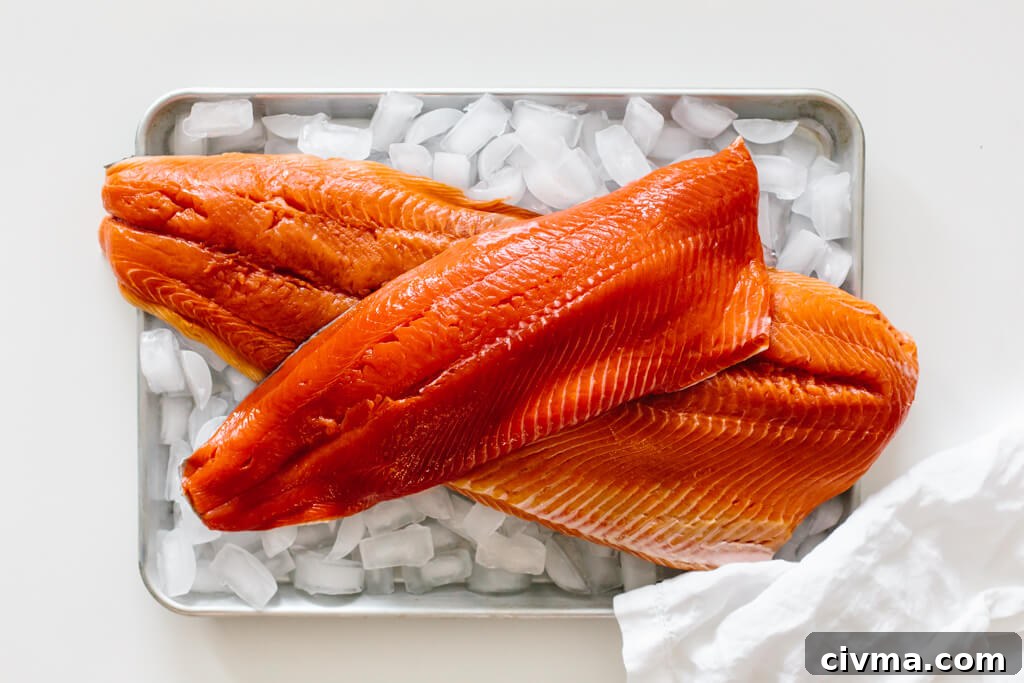
Have you ever wondered about the difference between Coho Salmon, Sockeye Salmon, and King Salmon? These three popular Pacific salmon species are often used in home cooking, restaurant dishes, and seafood recipes, but they are not exactly the same. Each one has its own flavor, texture, fat content, color, and best cooking uses. If you love salmon or are trying to choose the best type of salmon for dinner, understanding these differences can help you buy with more confidence.
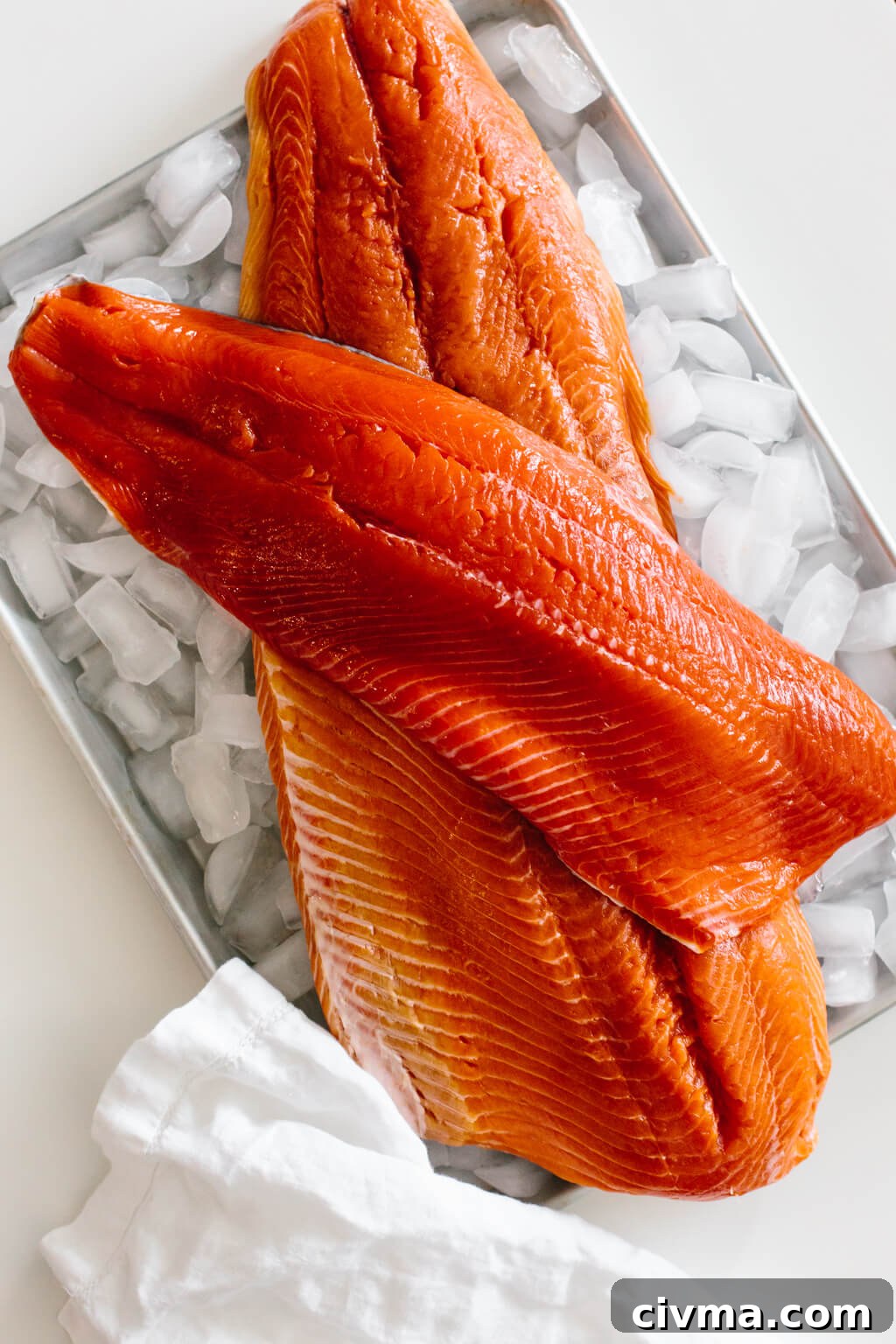
Salmon is loved for good reason. It is rich, satisfying, easy to prepare, and works beautifully in many recipes, from baked salmon fillets to grilled salmon, salmon salad, salmon patties, and glazed salmon dishes. It also contains beneficial fats, including omega-3 fatty acids, which are one of the reasons salmon is so often recommended as part of a balanced diet.
When comparing Coho Salmon, Sockeye Salmon, and King Salmon, one of the most important things they often have in common is that they are commonly available as wild-caught salmon, especially when sourced from Pacific waters such as Alaska. Many people prefer wild-caught salmon because it generally has a cleaner flavor, a firmer texture, and a more natural diet than farmed salmon. Farmed salmon, particularly Atlantic salmon, is often avoided by shoppers who are concerned about pollutants, antibiotics, pesticides, and overall sustainability.
While King, Sockeye, and Coho salmon are all excellent choices, they are not interchangeable in every way. King Salmon is the richest and most luxurious, Sockeye Salmon has the boldest color and a deep flavor, and Coho Salmon is milder, firm, and especially good for grilling. Here is a closer look at each type so you can decide which salmon is best for your next meal.
King Salmon (aka Chinook Salmon)
King Salmon, also known as Chinook Salmon, is the largest of the Pacific salmon species. Some can grow to more than 100 pounds. It is also the highest in fat among these three varieties, including anti-inflammatory omega-3 fats. Because of this higher fat content, King Salmon is often considered the most luxurious and flavorful salmon available.
The texture of King Salmon is thick, moist, buttery, and smooth. It has a rich mouthfeel that makes it feel especially indulgent, even when it is prepared simply. Some people compare its silky texture to smoked salmon because it is so tender and satisfying. If you want a salmon fillet that feels restaurant-quality with very little effort, King Salmon is an excellent choice.
The main drawback is price. King Salmon is usually the most expensive salmon at the seafood counter. However, many salmon lovers feel that the flavor, texture, and quality make it worth the extra cost, especially for special meals or simple recipes where the salmon itself is the star.
Availability: Wild King Salmon is available fresh or frozen year-round.
Try it: King Salmon works beautifully in baked salmon fillets, salmon salad, and Dijon-style baked salmon. Because it is naturally rich and tender, it becomes especially melt-in-your-mouth when baked, roasted, or gently grilled.
Sockeye Salmon
Sockeye Salmon is known for its deep, rich flavor and striking red flesh. Its color is one of the easiest ways to recognize it at the fish counter. The vibrant red shade comes from high levels of astaxanthin, an antioxidant pigment naturally found in its diet. In combination with omega-3 fatty acids, astaxanthin is believed to help protect the nervous system and brain from inflammation.
Compared with King Salmon, Sockeye Salmon is still high in good fats, but it is usually leaner. Its flavor is more pronounced, making it a great choice for people who enjoy a bold salmon taste. The flesh is firm and flavorful, so it holds up well in many preparations, including baking, roasting, pan-searing, and making salmon patties.
Sockeye is especially useful when you want salmon flavor to stand out in a dish. Its natural richness means you do not need heavy sauces or complicated seasonings. A little salt, pepper, lemon, garlic, herbs, or a simple glaze can be enough to highlight its taste.
Availability: Wild Sockeye Salmon is available fresh from mid-May through mid-September and frozen year-round.
Try it: Sockeye Salmon is excellent in salmon patties because its firm texture and strong flavor remain noticeable after cooking. While canned salmon can be used for patties, fresh Sockeye or Coho Salmon can make the dish especially moist, flavorful, and satisfying.
Coho Salmon
Coho Salmon is another excellent wild-caught Pacific salmon option. Like King and Sockeye, it contains beneficial anti-inflammatory fats, but its flavor is milder than both. This makes Coho a great choice for people who are new to salmon or prefer a less intense fish flavor.
Coho Salmon has orangey-red flesh and a firm texture. Many home cooks and seafood lovers consider it one of the best types of salmon for grilling because it holds together well and cooks evenly. Its moderate fat content gives it enough moisture to stay tender, while its firm structure makes it easier to handle on the grill than more delicate fish.
If you want a versatile salmon that works for weeknight dinners, summer cookouts, or simple baked meals, Coho is a smart choice. It pairs well with citrus, maple, ginger, garlic, herbs, mustard, and light glazes. Because it is milder, it can also be appealing to people who find Sockeye too strong or King Salmon too rich.
Availability: Wild Coho Salmon is available fresh from mid-June through late October and frozen year-round.
Try it: Coho Salmon is ideal for cedar plank salmon with a maple ginger glaze. You can use a large Coho fillet or individual portions, and the firm texture makes it especially suitable for grilling.
Why I Always Steer Clear of Atlantic Salmon
Atlantic Salmon is usually avoided by many people because nearly all of it is farmed. While farmed salmon is widely available and often less expensive, there are several concerns commonly associated with farmed Atlantic Salmon.
- Farmed Atlantic Salmon may have lower nutritional value because the fish are often fed an unnatural diet that can include grains, plants, and fish meal.
- They are often raised in densely populated environments, which can create health and cleanliness concerns.
- Farmed salmon may be treated with antibiotics and pesticides, and those substances can become a concern for people who eat the fish.
- Farmed Atlantic Salmon has occasionally been shown to contain higher levels of industrial pollutants called PCBs than wild-caught salmon.
- Atlantic Salmon is also often farmed in areas where it is not native. If farmed fish escape, they can contribute to invasive populations that may threaten other fish species.
For these reasons, many people prefer wild-caught Pacific salmon such as King Salmon, Sockeye Salmon, or Coho Salmon. Each offers its own advantages: King is rich and buttery, Sockeye is bold and deeply colored, and Coho is mild, firm, and excellent for grilling. Choosing the best salmon depends on your taste, your recipe, and your budget, but all three are strong options for anyone who enjoys high-quality salmon.