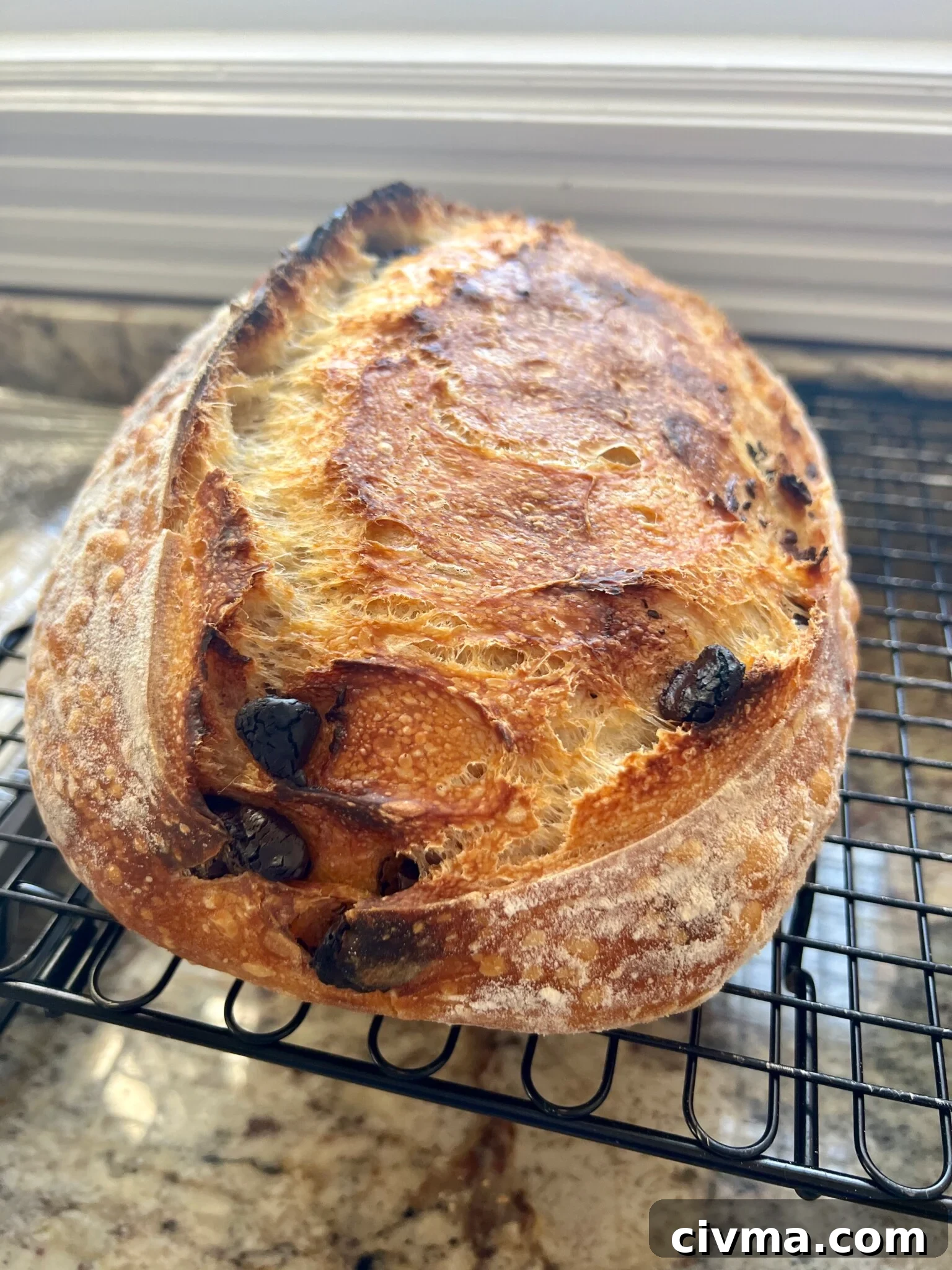
One thing many bakers learn after they start working with sourdough is that “sourdough” doesn’t have to mean intensely sour bread. While some people prize that distinctive tang, you as the baker control how pronounced the sour flavor will be. Sourdough is primarily a method of leavening using a fermented starter of flour and water; the sour notes come from the activity of bacteria in that starter. By adjusting fermentation time, temperature, flour type, and how you use your starter, you can create loaves that range from bright and tangy to mild, mellow, or nearly neutral.
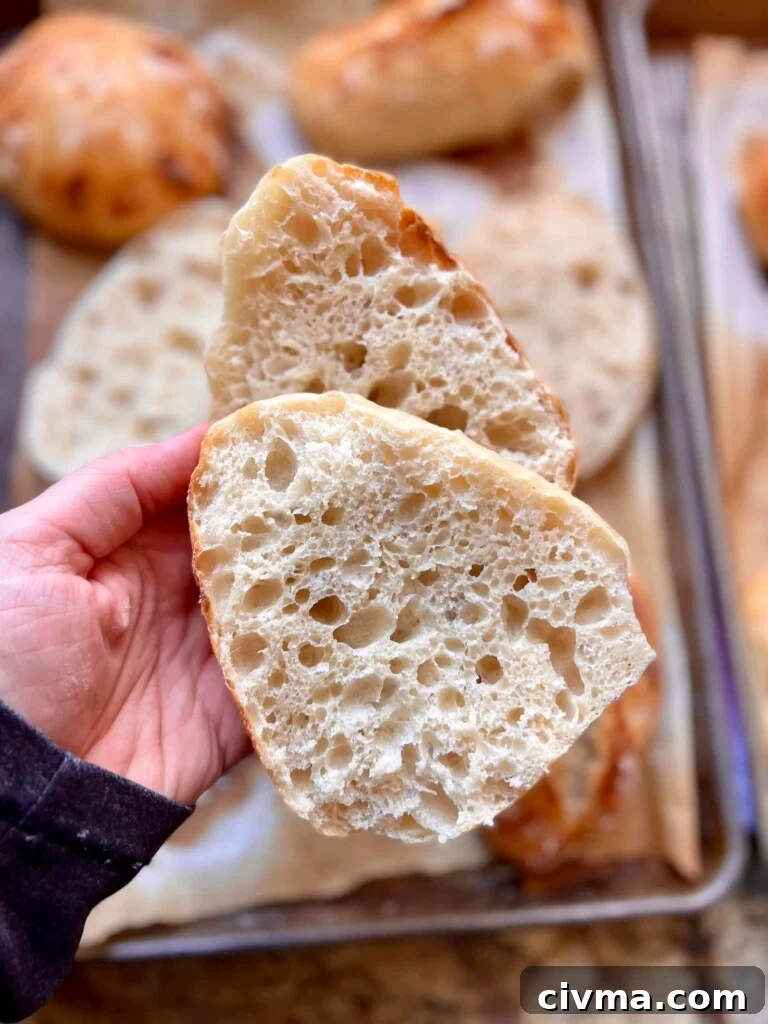
The Science Behind the Sour Flavor in Sourdough Bread
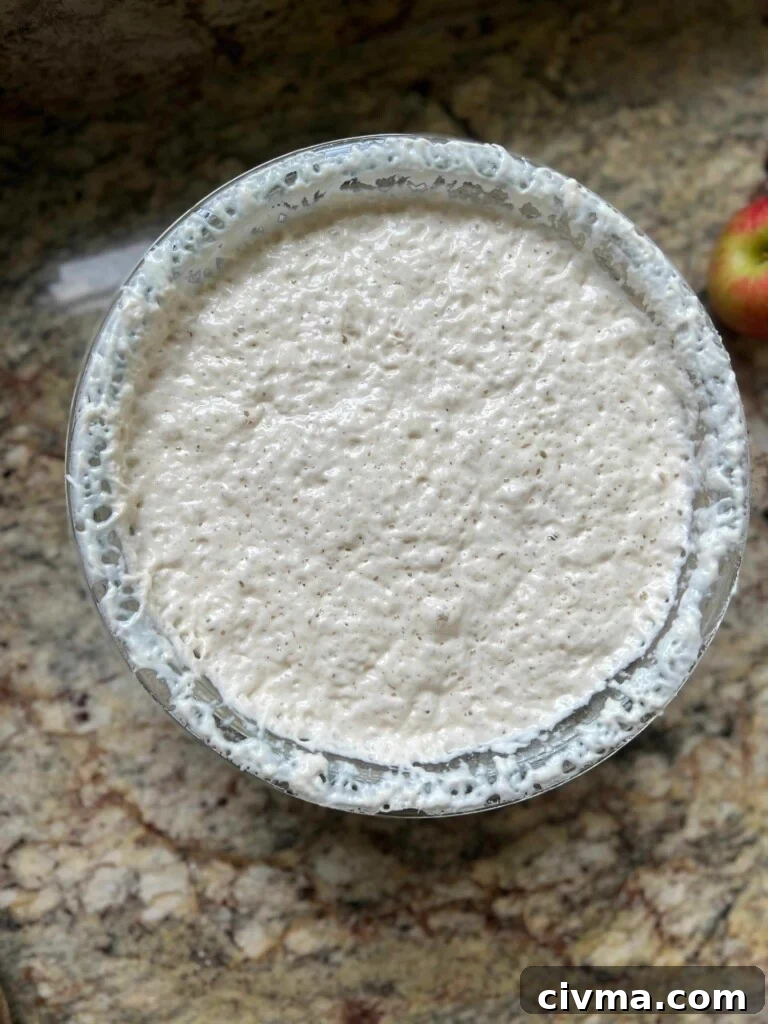
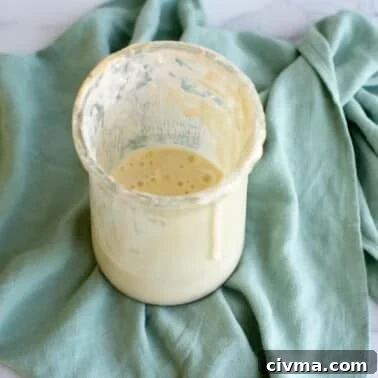
Sourdough starter is a living mixture of wild yeast and bacteria. Wild yeast produces carbon dioxide that makes the dough rise, while lactic acid bacteria break down starches in the flour and create acids that contribute to flavor. Two main acids shape sourdough taste:
- Lactic acid — milder, yogurt-like, round flavors.
- Acetic acid — sharper, vinegar-like, tangy notes.
The balance of yeast and bacteria activity depends on temperature, time, and the feed you give your starter. Yeast tends to work faster at moderate temperatures (mid-70s °F), while some bacteria thrive at slightly warmer ranges (80–90 °F) or cooler periods depending on the bacteria type. Learning how to balance fermentation and the dough’s rise is the key to dialing in the flavor you want from your loaf.
With that basic understanding of fermentation and flavor, the tips below will help you steer your bread toward a more sour or more mild profile.
How to Make Sourdough More Sour
- Raise the dough temperature during fermentation: Warmer bulk fermentation (around 85–95 °F) encourages lactic acid production; finishing with a cold retard (refrigeration) promotes acetic acid development and sharper tang. Watch closely, since higher temperatures also speed up yeast and can shorten proofing times.
- Use more whole grains: Whole wheat and other whole grain flours contain more nutrients and native microbes that support bacterial activity, often producing stronger sour flavors than white flour alone.
- Extend bulk fermentation selectively: Increasing bulk fermentation by an hour or two at slightly lower temperatures (mid-70s to high-70s °F) can favor acetic acid development, deepening the flavor without overproofing.
- Cold ferment (retard) the shaped dough: Refrigerating the dough for a longer period (12–48 hours, depending on the recipe and dough strength) allows flavors to develop slowly and can increase sourness. Be mindful of dough strength and the risk of overproofing.
- Use ripe starter later in its cycle: Harvesting starter just after it peaks and starts to fall favors bacterial acidity over yeast-driven lift, which increases sour notes.
- Use a smaller levain percentage: A lower inoculation with levain or starter can slow fermentation and encourage acid development, often yielding a tangier loaf.
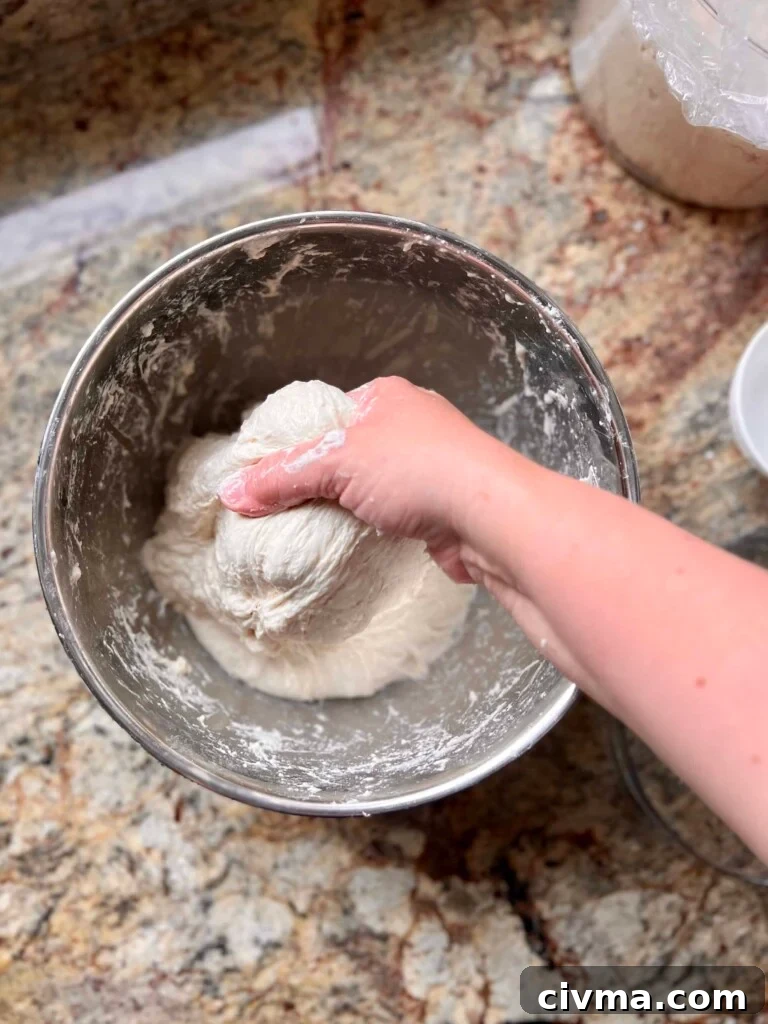
How to Make Sourdough Less Sour
If you prefer a milder, more family-friendly sourdough, try these adjustments to reduce tang:
- Keep dough temperatures moderate: Fermenting around 75–80 °F favors yeast activity over aggressive bacterial acid production, producing a cleaner, less sharp flavor.
- Use primarily white or bread flour: White flours contain fewer native microbes and simpler sugars, which often lead to gentler, less sour results than whole grain blends.
- Shorten bulk fermentation: Reducing fermentation time limits acid accumulation. If you usually bulk ferment 4–5 hours, consider shortening that to fit your schedule and flavor goals.
- Use starter at peak activity: Feeding and using your starter at its peak height maximizes yeast strength and reduces the relative proportion of sour-producing bacteria.
- Increase levain percentage: A larger levain or starter amount accelerates fermentation and promotes yeast-driven rise, which tends to mute strong sour notes.
- Consider a stiffer starter: A lower-hydration starter (stiffer levain) often favors milder acid profiles and can give a more neutral-sweet crumb in enriched recipes like rolls or sandwich bread.
Get Started with Sourdough
Begin by building a reliable starter and learning simple timelines for feeding, bulk fermentation, and proofing. Developing an intuitive sense for dough temperature and look-and-feel will make it much easier to adjust flavor intentionally. Practice with a basic country loaf recipe, then experiment with whole grain substitutions, different levain percentages, and cold retards to discover the flavors you prefer.
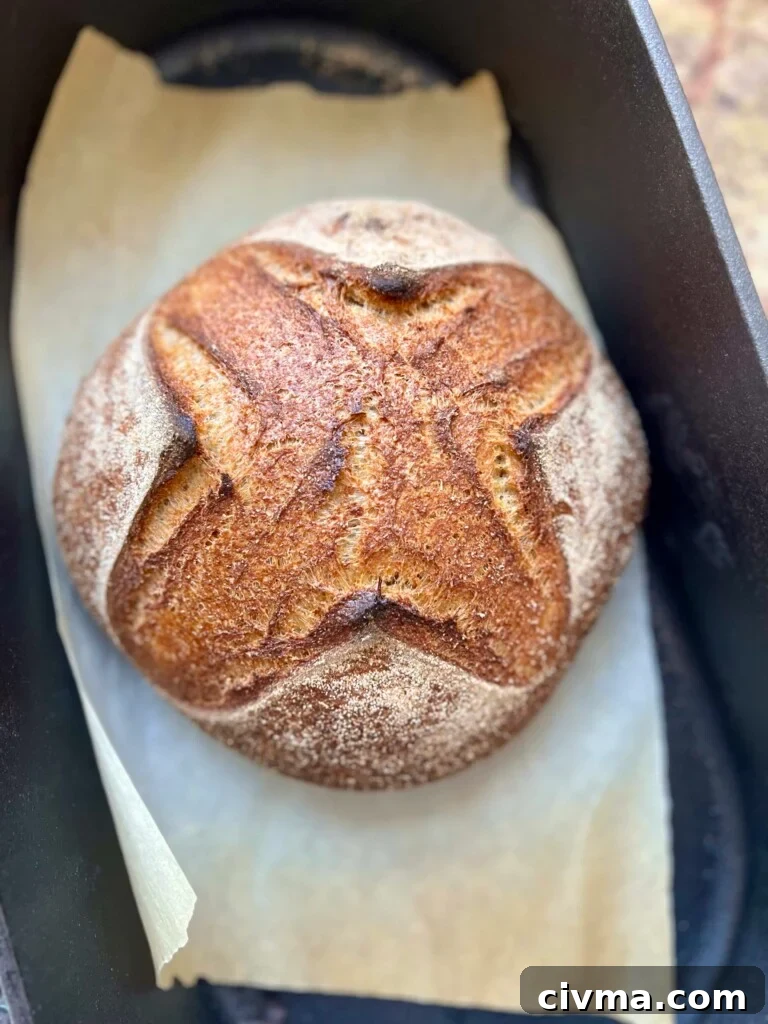
Sourdough Beginner Guide
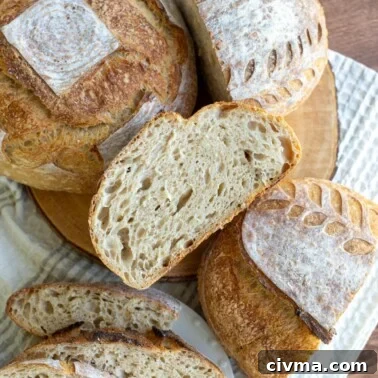
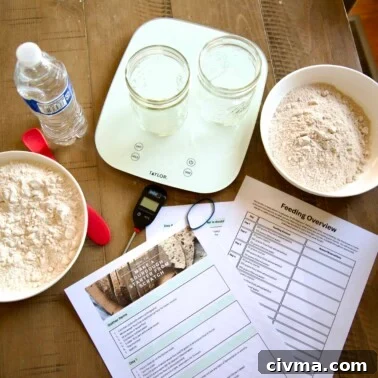

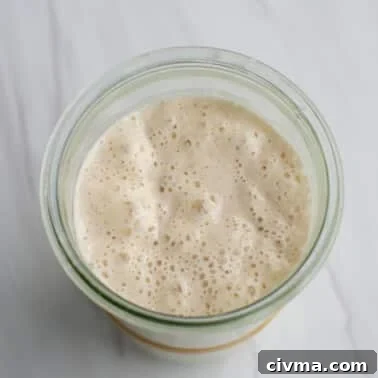
Need more help? Consider guided lessons or step-by-step resources to build confidence with timing, temperatures, and troubleshooting.
Looking for in-depth sourdough instruction?
If you want structured, step-by-step guidance, look for a reliable course or detailed recipe collection that covers both beginner and advanced techniques. Useful features to seek include:
- Clear timelines and temperature recommendations for bulk and final proof.
- Video demonstrations of mixing, folding, shaping, and scoring.
- Community support or a place to ask questions about specific batches.
- Downloadable recipes and troubleshooting tips for common issues.
With practice and attention to fermentation variables, you can confidently adjust the sourness of your bread and bake loaves that match your taste preferences — from bright and tangy to soft and mild.