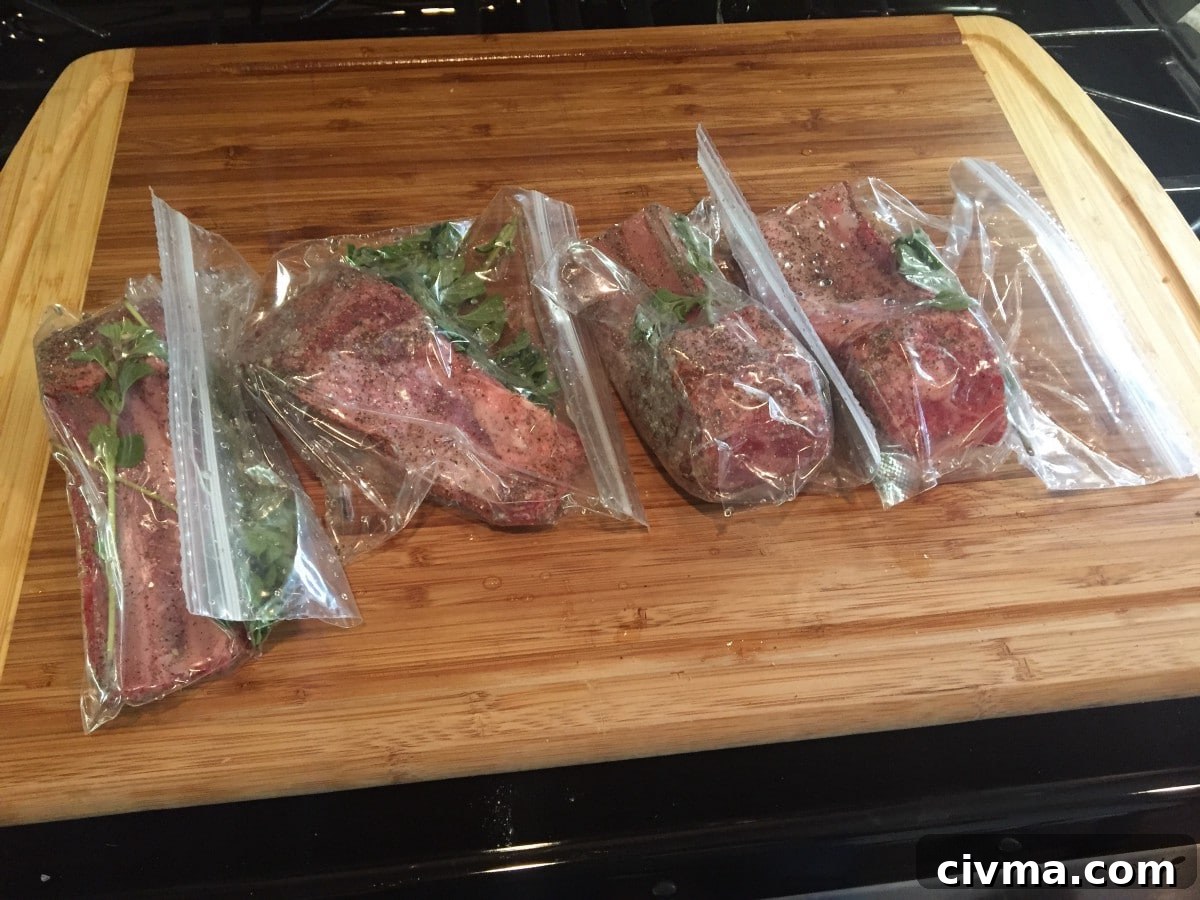
Sous vide cooking relies on a water bath held at a precise, steady temperature for a set amount of time to ensure even and safe cooking. At home, you can simulate sous vide without a dedicated immersion circulator by using basic kitchen equipment: a pot of water, a reliable thermometer, and a gentle heat source. Multi-cookers with a low-temperature or sous vide function also make the process easier and more consistent.
Sous Vide Cooking on the Stove Top
There is an important difference between cooking with a direct heat source and using an immersion circulator. An immersion circulator actively circulates water, heating and redistributing it so the entire bath reaches and maintains a consistent temperature. A stove top applies heat from the bottom, which can create hotspots and uneven temperatures. With attention and a few techniques, however, you can produce consistent results on the stove.
- Partially position the pot over the burner so only a portion of the base receives direct flame or heat. Reducing direct contact helps slow heat transfer and makes it easier to maintain a stable temperature across the water bath.
- Use a clip-on or probe thermometer attached to the side of the pot, with the sensor tip submerged. Monitoring the bath continuously is essential because the temperature will drop when you add food and can drift during cooking.
- Apply heat slowly over low settings. Gradual heating minimizes overshooting your target temperature and reduces the chance of creating hot spots that could overcook or unevenly cook the food.
Cooking Sous Vide Using a Multi-Cooker or Instant Pot
Many multi-cookers and some Instant Pot models include a sous vide or precise temperature function. When available, this built-in mode is preferable because it is designed to hold water gently and consistently at a set temperature for the required time. If your unit includes a sous vide program, use it and still verify the actual water temperature with a thermometer to ensure accuracy.
If your multi-cooker does not have an explicit sous vide mode, you can approximate sous vide using the warm or low-temperature settings, with careful monitoring:
- Set the cooker to a low or warm setting and attach a thermometer to monitor the water’s temperature. Relying solely on the cooker’s display can be risky if the internal calibration differs from the actual bath temperature.
- If the water rises above the target, add a few ice cubes to bring it back into range. Make small adjustments and allow the temperature to stabilize before adding food.
- Create a raised platform inside the cooker so sealed bags and food do not lie directly on the heating element or the cooker base. A metal trivet, a heat-safe rack, or sturdy canning rings can act as a shelf and protect bags from intense localized heat that could weaken or melt them.
Using an Oven for Sous Vide
Ovens are generally not ideal for sous vide because most home ovens lack the fine temperature control needed for low-temperature water baths. Convection and air temperature differ from water temperature, which can lead to uneven results. If you attempt an oven-based method, always use a calibrated thermometer in the water bath and monitor temperatures closely. Expect less precision than with a circulator or controlled stovetop setup.
Safety When Sous Vide Cooking Without a Machine
Most sous vide bags are made from food-safe plastic or silicone designed to withstand common sous vide temperatures. Dedicated immersion circulators are safe because they avoid direct contact between the bag and a heating element. When using direct heat or alternative equipment, take precautions so bags do not touch hot surfaces.
Food safety in sous vide depends on both time and temperature. Proper combinations of the two will pasteurize food and control pathogens such as salmonella and E. coli. Cooking without a precise machine increases the challenge of maintaining a stable water temperature, so vigilance is essential to avoid unsafe temperature ranges that could allow bacteria to survive or multiply. Follow these safety tips:
- Sear proteins before or after sous vide cooking to reduce surface bacteria and improve flavor and color.
- Do not add food to the bath until the water has reached the full target temperature. Starting early can leave food in an unsafe temperature “danger zone” as the bath heats.
- Monitor the water temperature continuously and make adjustments as needed to keep the bath within the required range.
- Adhere to recommended minimum cooking times for the temperature you select; insufficient time can leave food underprocessed and unsafe.
Cooking sous vide without a dedicated machine takes more attention and setup, but it can be done safely when you control temperature carefully, use proper equipment to keep bags away from direct heat, and follow established time-and-temperature guidelines for pasteurization. Have you tried a no-machine sous vide method? Share your experience and tips.
Contributor:
This article was written by Stephanie Searor, MS RD LDN