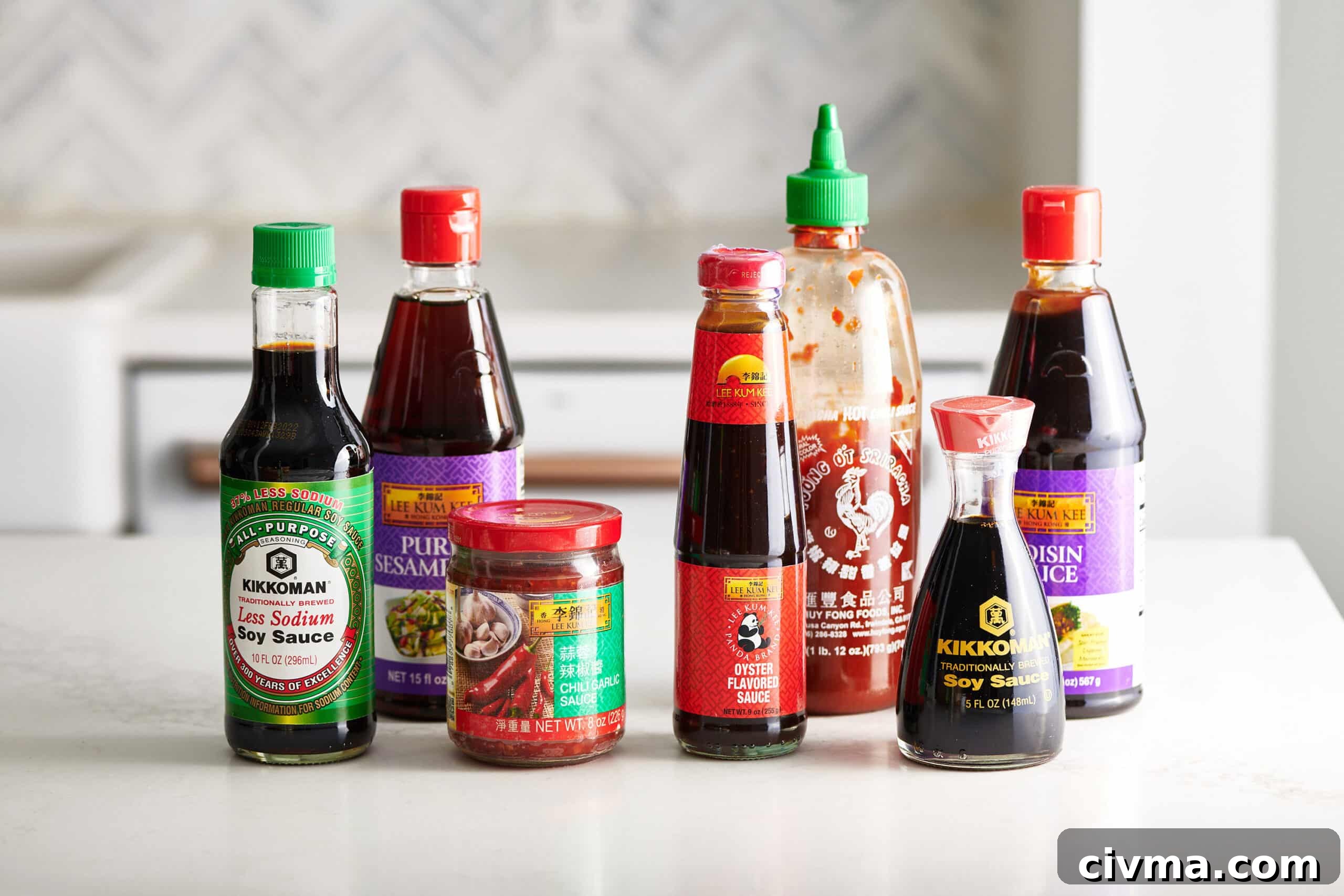
Building a useful Asian pantry can feel overwhelming at first because “Asian cooking” covers many different cuisines, regions, traditions, and ingredients. Chinese, Japanese, Korean, Thai, Vietnamese, and other Southeast Asian kitchens all have their own signature flavors, and even within one country there are many regional styles. Still, if you are new to Asian cooking at home, you do not need to buy everything at once. A small, reliable group of Asian pantry essentials will help you make stir-fries, marinades, dipping sauces, noodle dishes, rice bowls, and simple weeknight meals with much more flavor.
The best place to begin is with a few versatile condiments and aromatics that appear again and again in Asian recipes. Once you understand how these basic Asian ingredients taste and how they work together, you can start adjusting them to suit your cooking style. A splash of soy sauce, a drizzle of toasted sesame oil, a spoonful of chili garlic sauce, or a bit of fresh ginger can turn simple vegetables, chicken, tofu, rice, or noodles into something lively and satisfying.
Soy Sauce
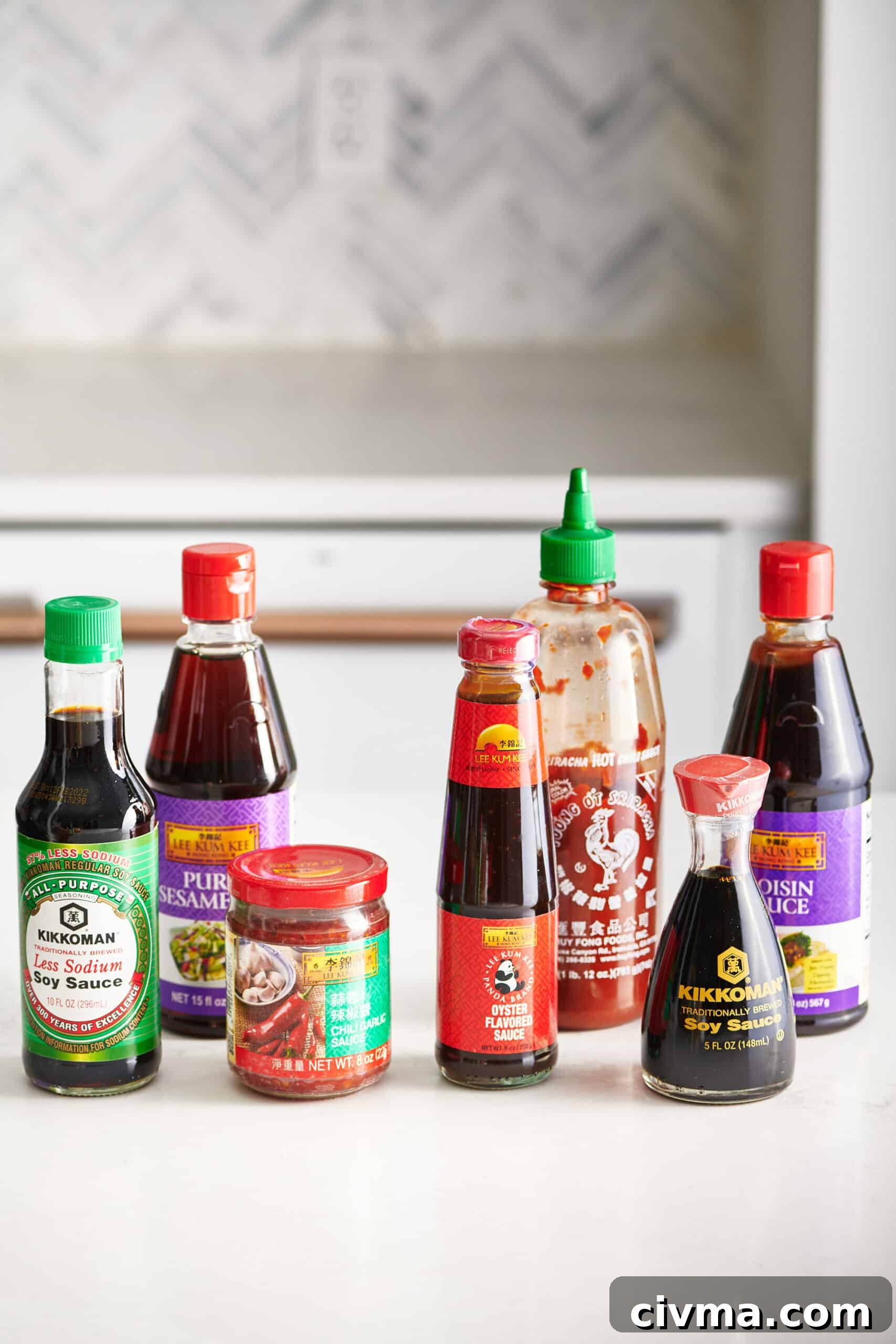
Soy sauce is one of the most important ingredients in Asian cooking, and it is also useful in recipes that are not specifically Asian. This dark, savory sauce has a salty, rich flavor that adds depth to soups, sauces, marinades, stir-fries, and dipping sauces. It is traditionally brewed from soybeans and wheat, which gives it both saltiness and umami.
You can use regular soy sauce when you want a full, assertive flavor, or choose a lower-sodium version if you prefer more control over the salt level in your cooking. If you are avoiding wheat or cooking for someone with a gluten intolerance, tamari is a similar option that is typically made without wheat. Soy sauce works especially well with garlic, ginger, sesame oil, scallions, rice vinegar, and a touch of sweetness in stir-fry sauces and marinades.
Sesame Oil
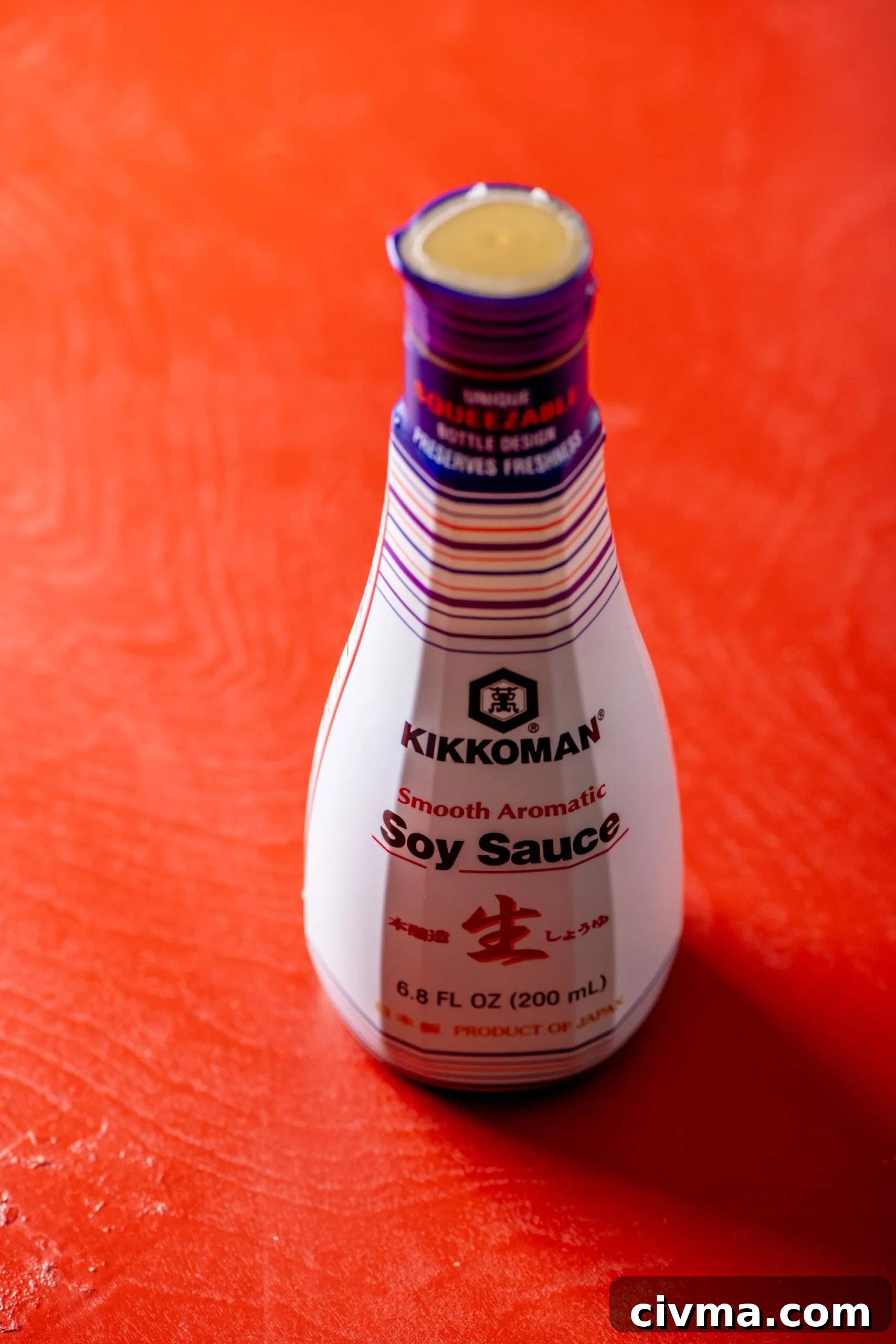
Toasted sesame oil is made from toasted sesame seeds and has a bold, nutty aroma. Because its flavor is so distinctive, a little goes a long way. It is usually used as a finishing oil or seasoning rather than as the main cooking oil. Add a small drizzle at the end of cooking to preserve its fragrance and give stir-fries, noodles, rice dishes, soups, and sauces a warm, roasted flavor.
Chili sesame oil is another useful pantry item if you enjoy heat. It combines the deep flavor of sesame oil with the warmth of chilies, making it a quick way to add both spice and richness. Sesame oil can turn rancid over time, so storing it in the refrigerator helps keep it fresh longer.
Hoisin Sauce
Hoisin sauce is thick, dark, sweet, salty, and intensely flavored. It is made with ground soybeans and a starch base, then seasoned with ingredients such as red chilies, garlic, vinegar, Chinese five spice, and sugar. The result is a sauce that brings sweetness, savoriness, and complexity to many dishes.
Use hoisin sauce in marinades, glazes, dipping sauces, noodle dishes, and stir-fries. It pairs especially well with chicken, pork, beef, tofu, and roasted vegetables. Because it has a concentrated flavor, start with a small amount and build from there.
Chili Garlic Sauce
Chili garlic sauce is exactly what it sounds like: spicy, garlicky, tangy, and bold. It has a slightly coarse texture and a bright kick from vinegar. This sauce is an easy way to add heat and personality to Asian-inspired recipes without needing to chop fresh chilies.
Stir it into sauces, soups, marinades, and fried rice, or use it as a condiment at the table. It is particularly helpful when a dish tastes good but needs a sharper edge. Start with a small spoonful, then add more if you want stronger heat.
Oyster Sauce
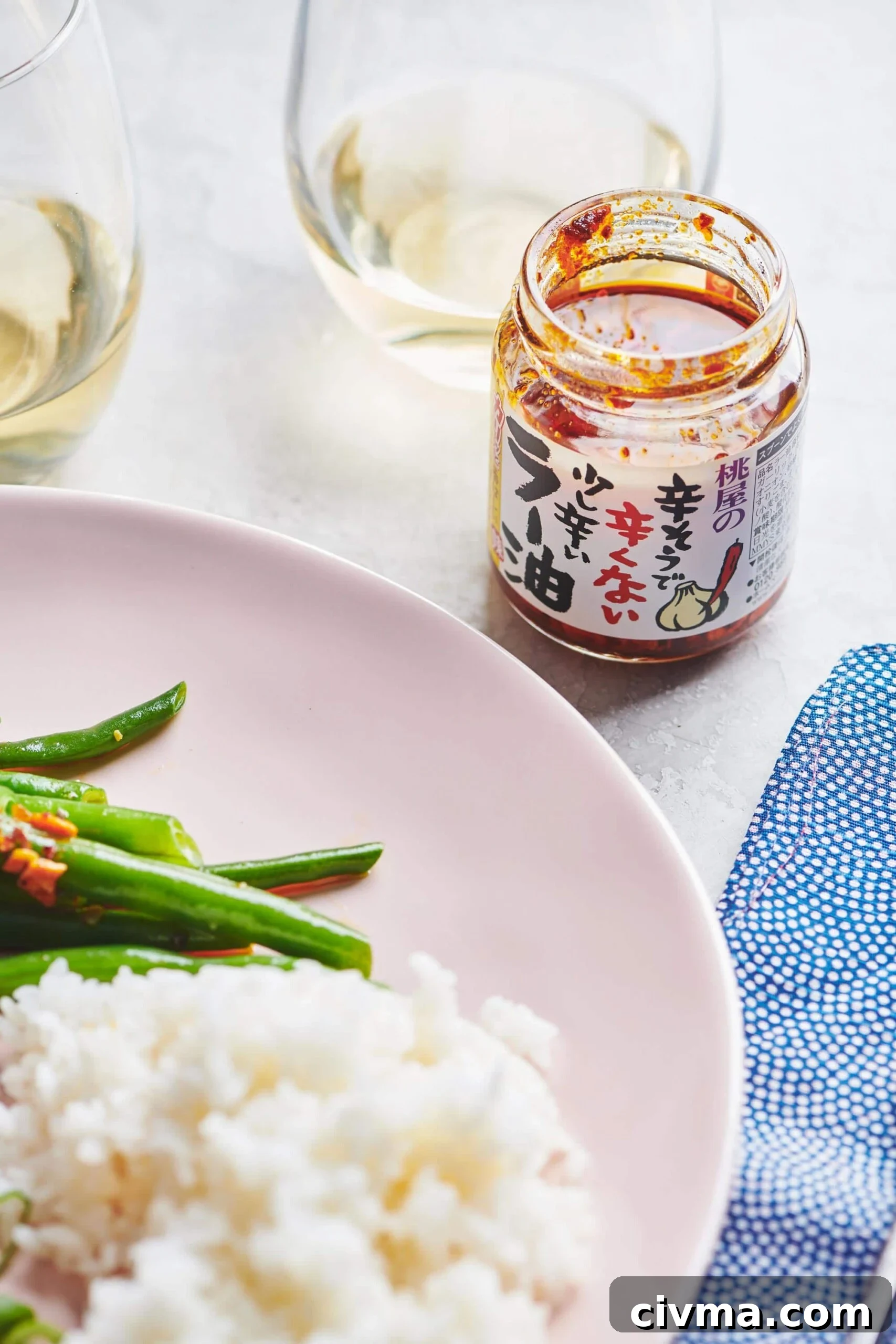
Oyster sauce is a thick, dark brown sauce made from oyster extracts combined with sugar, soy sauce, salt, and thickeners. It is a staple in many Chinese family-style dishes because it brings saltiness, gentle sweetness, and a deep umami flavor. It is especially useful in quick stir-fries, where a spoonful can make vegetables, chicken, beef, shrimp, or tofu taste more rounded and savory.
Because oyster sauce is concentrated, it is usually used in moderate amounts. Combine it with soy sauce, garlic, ginger, and a little water or broth to create a simple stir-fry sauce that coats ingredients beautifully.
Fish Sauce
Fish sauce, known as nam pla in Thai cooking, is an essential ingredient in many Southeast Asian cuisines, especially Thai and Vietnamese dishes. It has a strong aroma straight from the bottle, but its flavor becomes much more balanced when it is cooked or blended into sauces. Fish sauce is made from the liquid released by salted or fermented anchovies, and it adds a powerful savory quality to food.
Use it in small amounts to season soups, curries, dipping sauces, marinades, noodles, and stir-fries. It can provide the kind of deep saltiness and umami that makes a dish taste complete. If you are new to fish sauce, add it gradually and taste as you go.

Two Items to Keep in the Fridge:
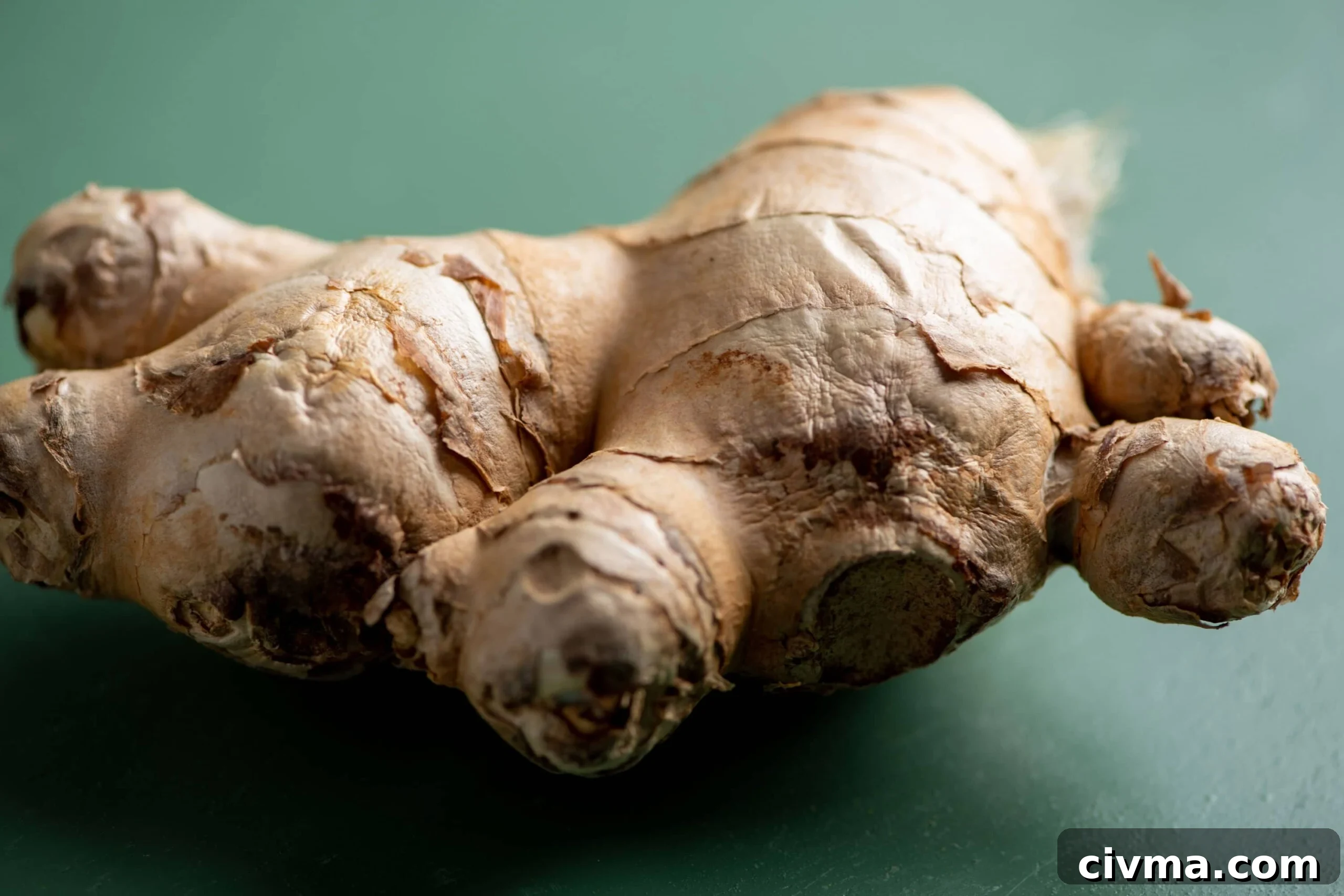
Ginger
Fresh ginger is one of the most useful aromatics for Asian cooking. Its flavor is spicy, bright, zesty, and refreshing, and it adds instant energy to stir-fries, soups, marinades, and sauces. A little minced or grated ginger can make a simple dish taste much more layered.
Ginger works especially well when cooked briefly in oil with garlic before the rest of the ingredients are added. This step creates a fragrant base for stir-fries and helps infuse the entire dish with flavor. Keep fresh ginger in the refrigerator so it is ready whenever you need a quick boost of brightness.
Garlic
Garlic is another cornerstone of stir-fries and many Asian-inspired dishes. It is often finely minced, grated, or thinly sliced so it can release its flavor quickly in hot oil. When garlic and ginger hit the pan together, it is usually the beginning of a very flavorful meal.
Use garlic in sauces, fried rice, noodle dishes, vegetable stir-fries, tofu dishes, and marinades. Since garlic can burn quickly, cook it just until fragrant before adding vegetables, protein, or sauce.
Asian Recipes to Try:
Kung Pao Chicken
View Recipe
Vegetable Stir-Fried Rice
View Recipe
Miso-Glazed Japanese Eggplant
View Recipe
Simple Stir-Fried Crispy Tofu and Vegetables
View Recipe
Stir-Fried Scallion Chicken
View Recipe