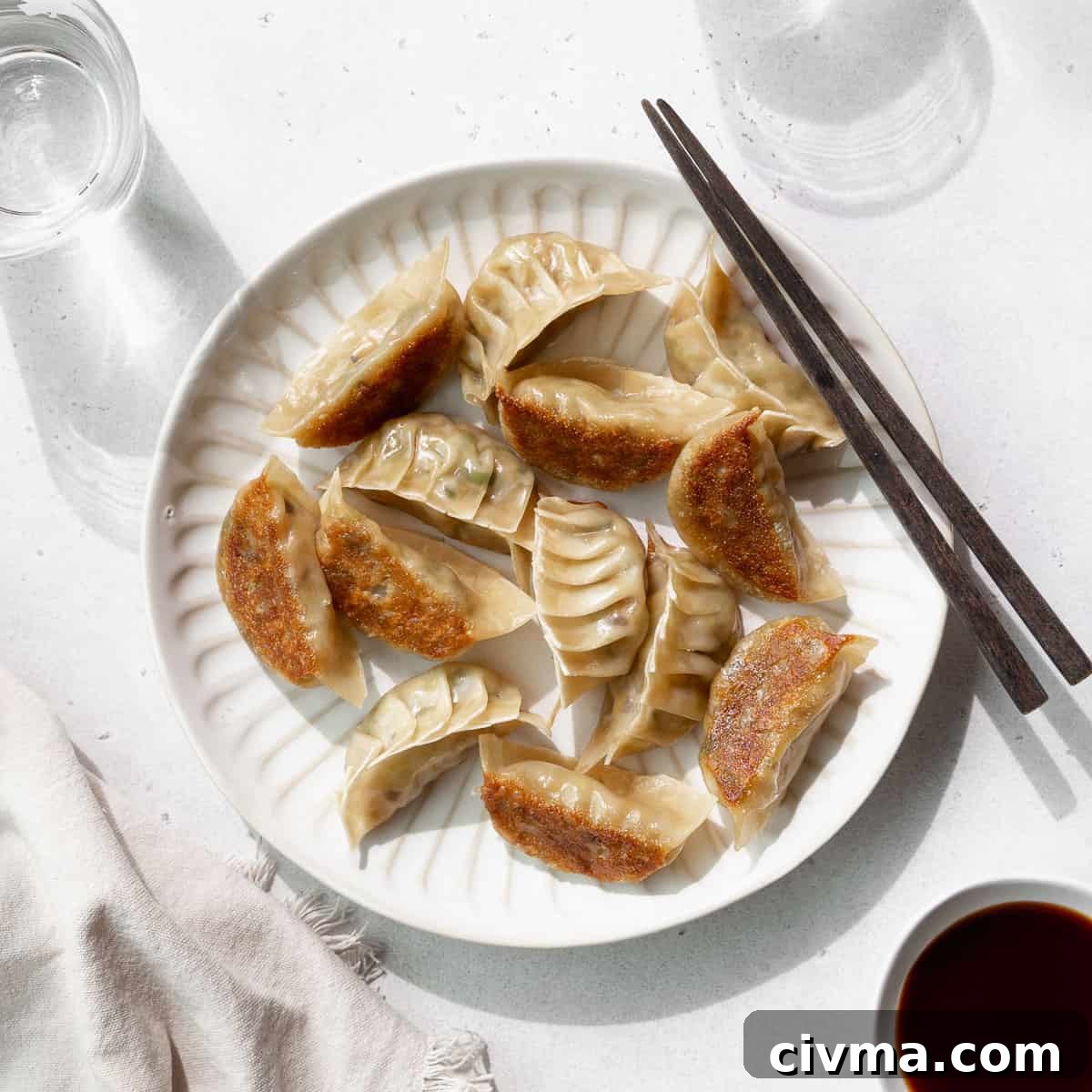
With a crisp golden crust, a savory cabbage-based filling, and a salty soy-and-umami dipping sauce, Vegetable Gyoza are an instant favorite. Naturally vegan and vegetarian, these dumplings satisfy meat eaters and plant-based eaters alike with their crunchy exterior and rich, savory interior. This authentic Japanese-style recipe is reliable, flavorful, and perfect for sharing.
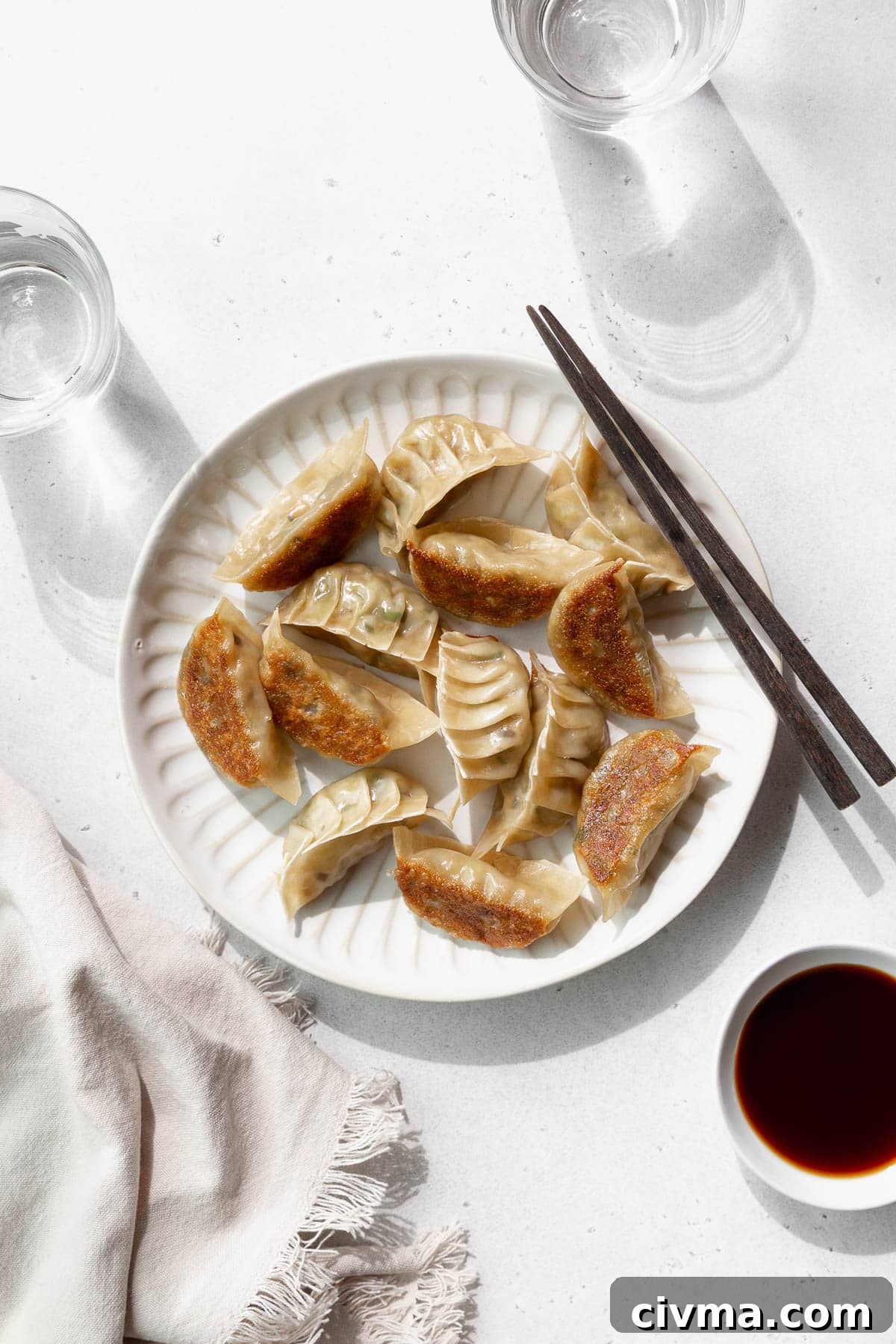
Table of contents
- What Are Gyoza?
- Why You’ll Love Veggie Gyoza
- Ingredients
- Purchasing Gyoza Wrappers
- How to Make Vegetable Gyoza
- Recipe Success Tips
- Serving Suggestions
- Recipe Variations
- Making Gyoza Ahead of Time
- Storage and Reheating Directions
- FAQs
- More Japanese Recipes
What Are Gyoza?
Gyoza (餃子) are Japanese dumplings traditionally filled with ground meat, vegetables, and seasonings. This version is fully plant-based and relies on minced cabbage, onion, green onions, and shiitake mushrooms for texture and depth. The filling is wrapped in a thin dough skin similar to Chinese dumplings. A common cooking method is to pan-fry the gyoza until the bottoms are golden and crisp, then add a little water and cover to steam through. Gyoza are often served as a main, side, or appetizer and are usually accompanied by a soy-based dipping sauce or chili oil.
Why You’ll Love Veggie Gyoza
These dumplings are a crowd-pleasing combination of fresh vegetables, bold seasoning, and satisfying texture. Highlights include:
- Fresh and healthy: Fresh cabbage, shiitake, green onion, garlic, and ginger give this filling vibrant flavor that frozen alternatives can’t match.
- Impressive presentation: A platter of homemade gyoza looks elegant and makes a great offering for dinner parties, potlucks, or family meals.
- Fun to make: The hands-on process of filling and pleating dumplings is relaxing and rewarding.
- Naturally vegan: No substitutions are required to keep this recipe 100% plant-based.
Ingredients
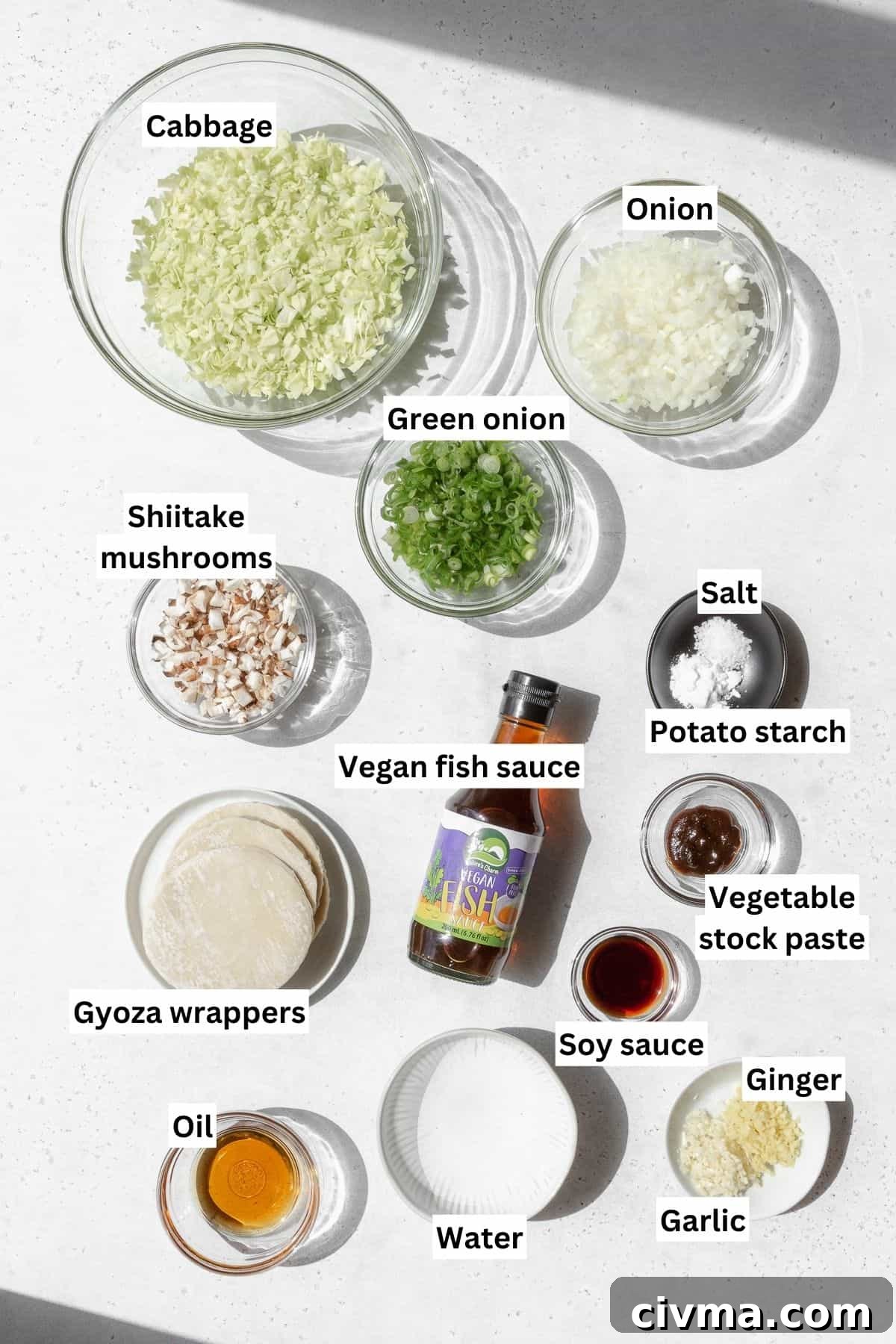
- Cabbage: Green cabbage works best; minced Napa cabbage is an alternative.
- Onion: Yellow or white onion, minced.
- Shiitake mushrooms: Finely chopped so they combine evenly with the other veggies.
- Green onions (scallions): Adds a fresh, aromatic note.
- Ginger & garlic: Freshly grated or minced for the best flavor.
- Soy sauce: Provides salty, savory depth.
- Vegan fish sauce: Adds umami; choose a high-quality vegan version.
- Vegetable stock paste or bouillon: Enhances savory flavor.
- Potato starch: A small amount helps bind the filling.
- Gyoza wrappers: See tips below for choosing wrappers.
- Neutral oil: Avocado, grapeseed, or light olive oil for pan-frying.
- Sesame oil: A finishing drizzle for aroma and richness.
- Fine sea salt: Used to draw moisture from the cabbage before assembling the filling.
Purchasing Gyoza Wrappers
When choosing wrappers, consider shape, thickness, and freshness. Round wrappers with moderate thickness handle pleating well and hold their shape during frying and steaming. Look for pliable wrappers with no cracks or dry spots. Simple ingredient lists (flour, water, salt) are preferable. Common brands found in supermarkets typically work well.
How to Make Vegetable Gyoza
Vegan gyoza are straightforward to prepare. Follow these steps for consistent results:
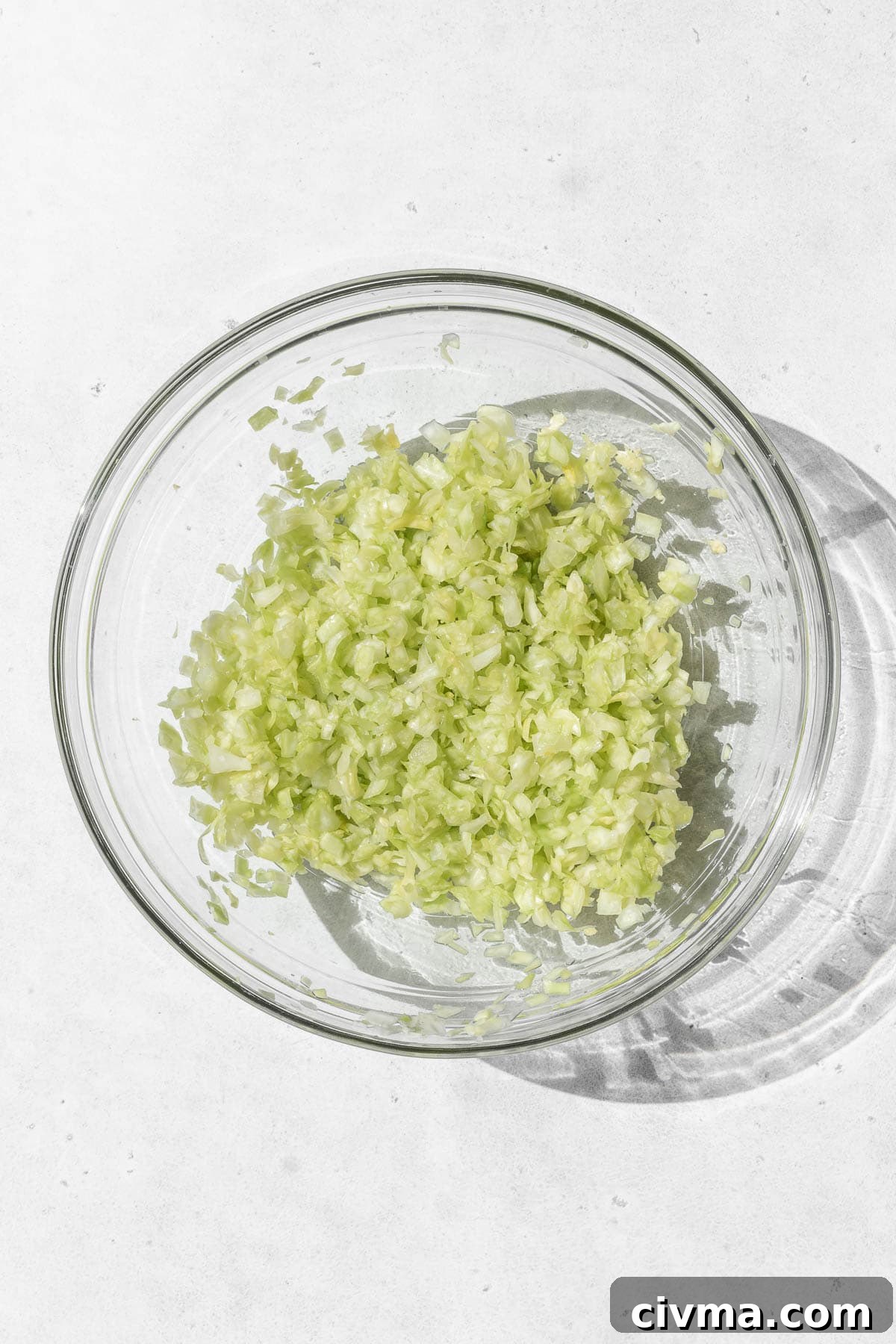
Step 1: Add the minced cabbage to a large bowl, sprinkle with fine sea salt, and massage to release moisture. Let sit for 15 minutes.
Step 2: Squeeze the water from the cabbage and return the cabbage to the bowl.
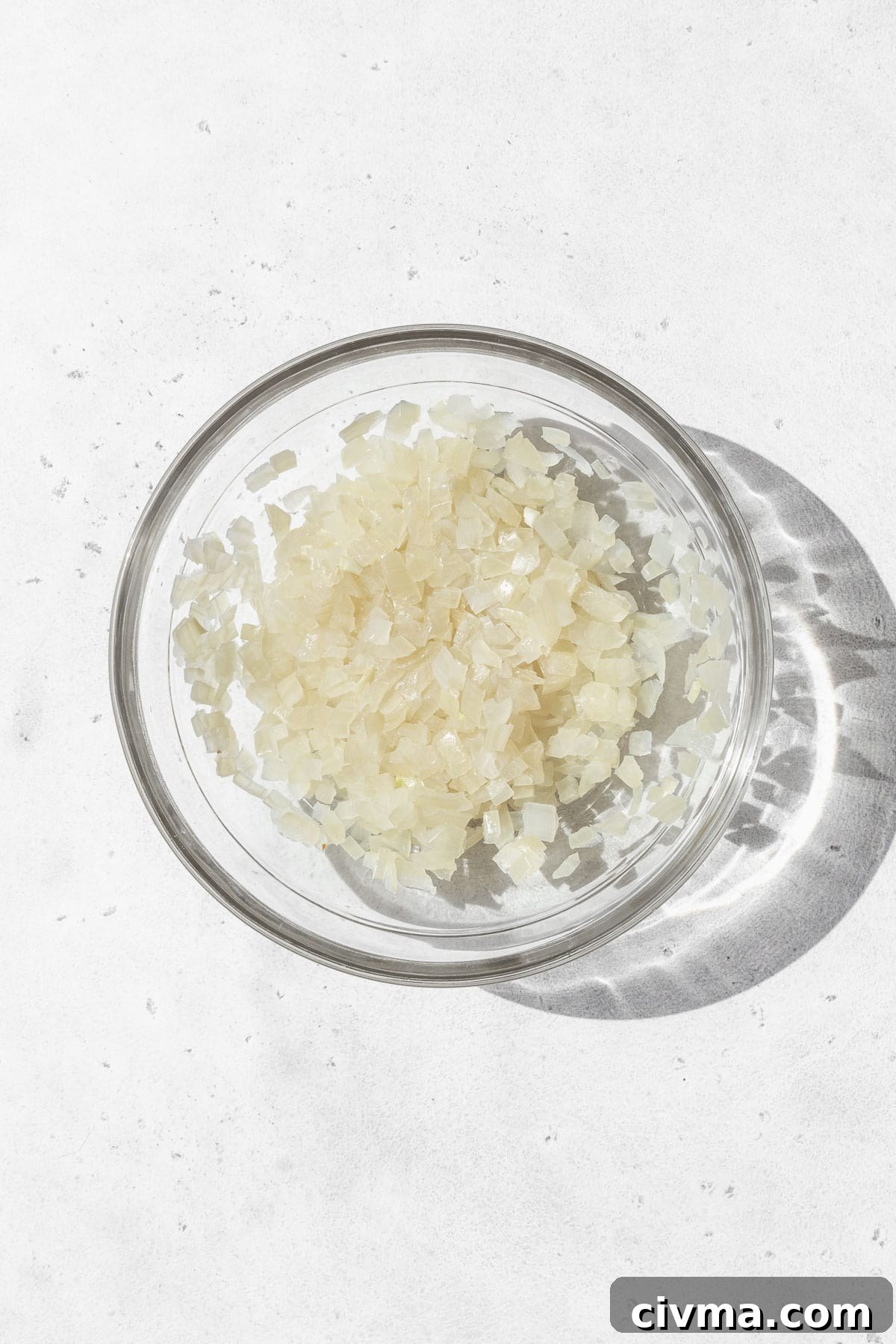
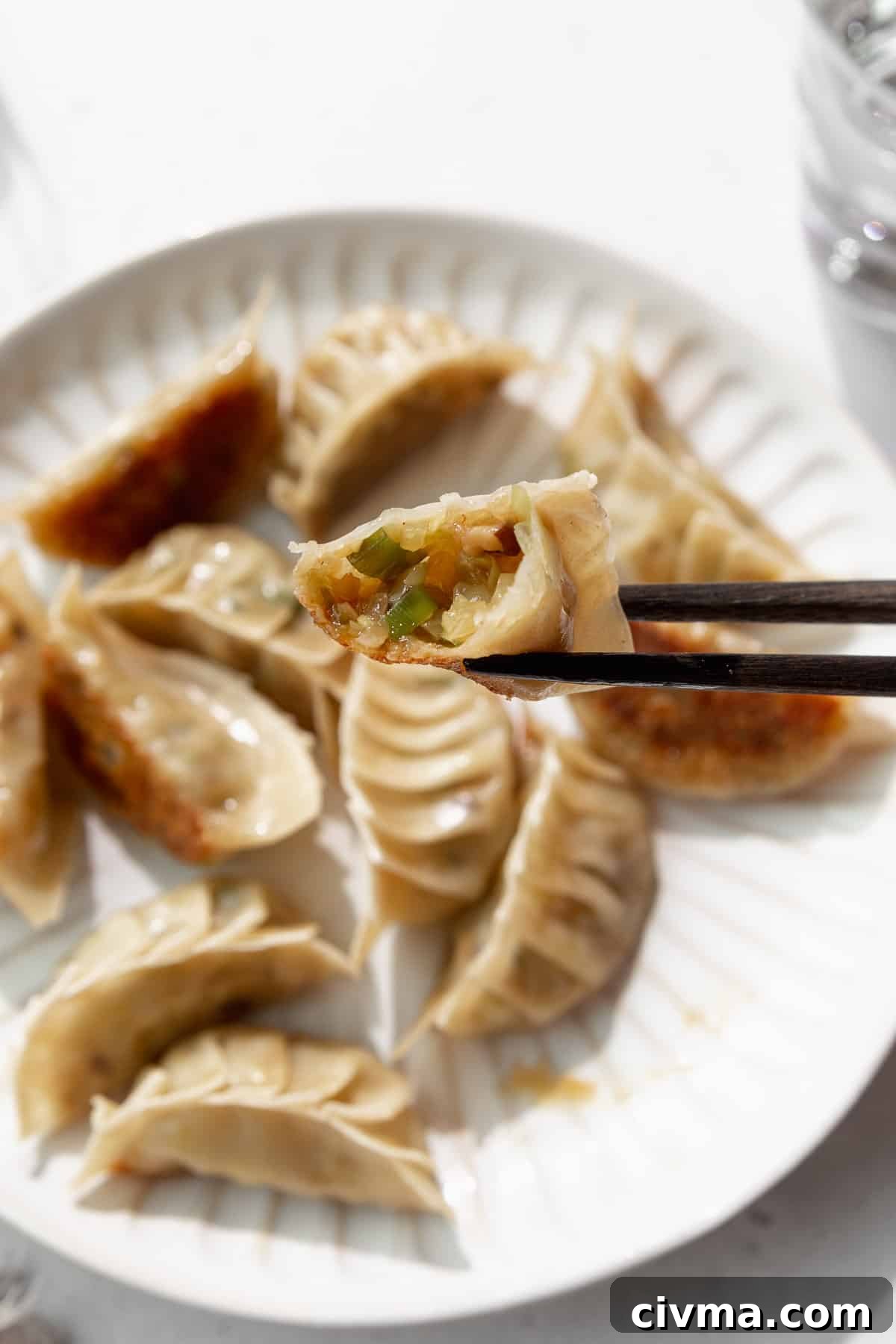
Step 3: Lightly cook the minced onion until softened, then add it to the cabbage with mushrooms, green onions, ginger, garlic, soy sauce, vegan fish sauce, vegetable stock paste, and potato starch. Mix thoroughly and taste, adjusting salt or seasoning as needed.
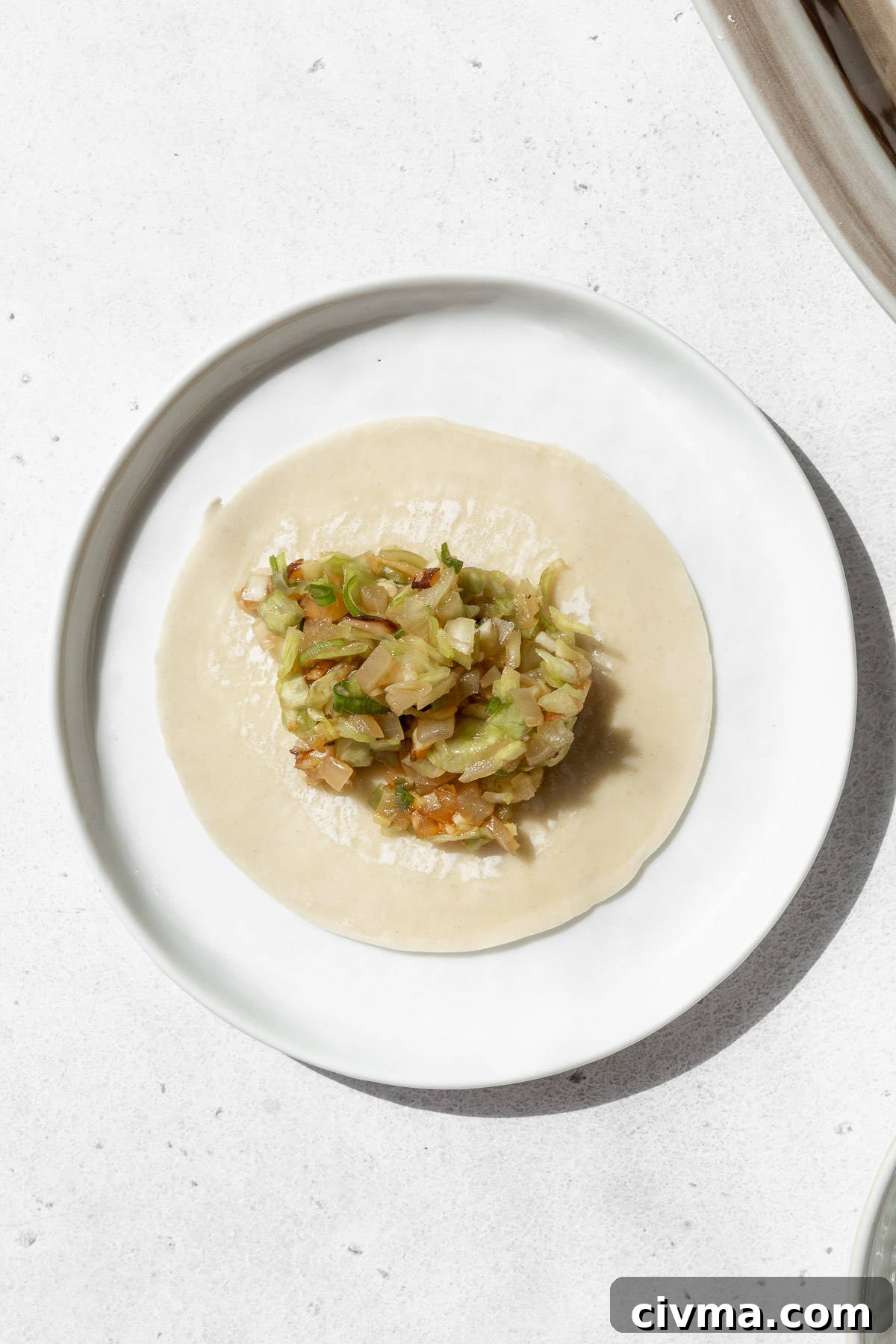
Step 4: Place a wrapper in your hand and add about 2 teaspoons of filling to the center. Moisten the inner edge with water, fold the wrapper in half, and press or pleat the edges to seal. Repeat until all wrappers or filling are used.
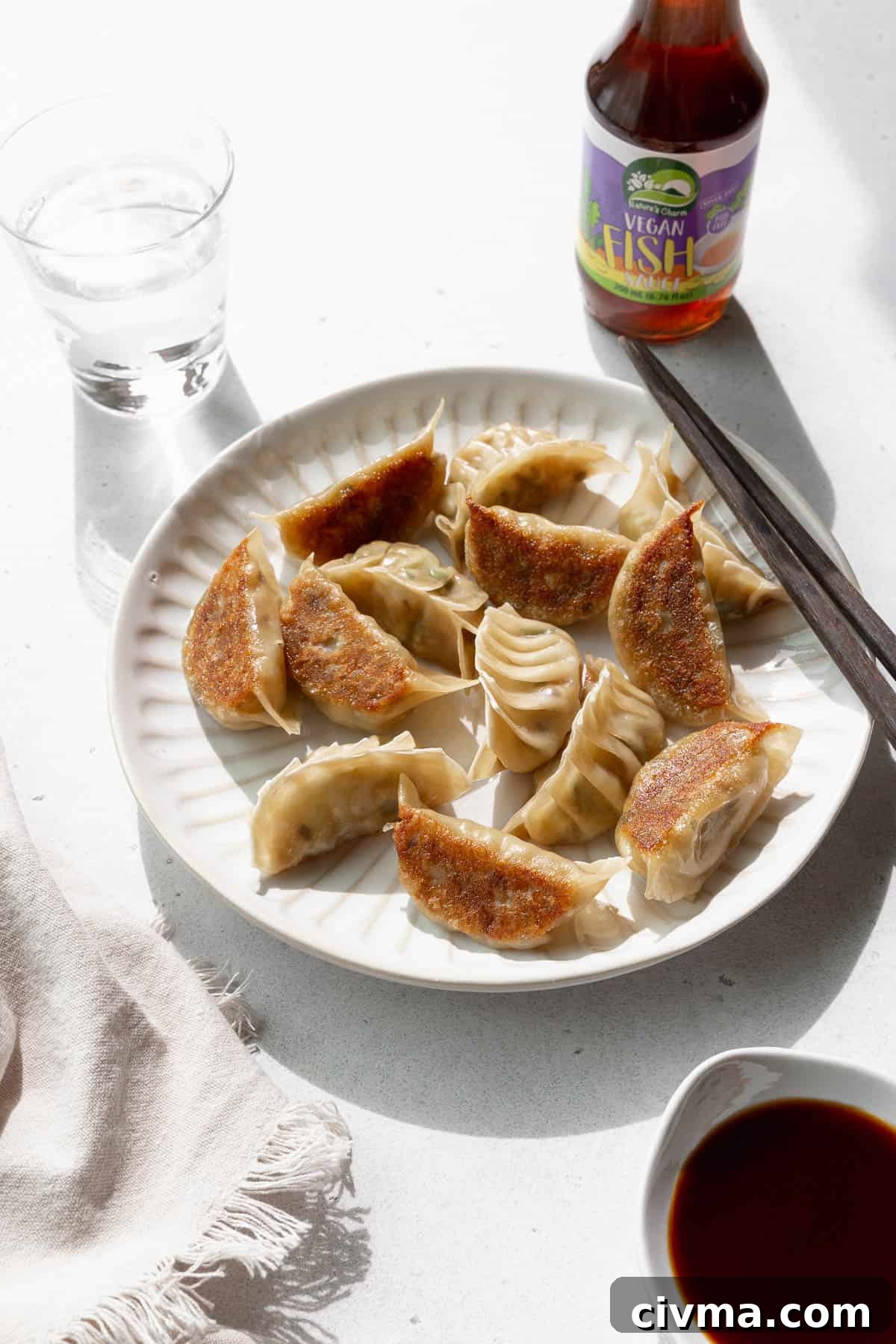
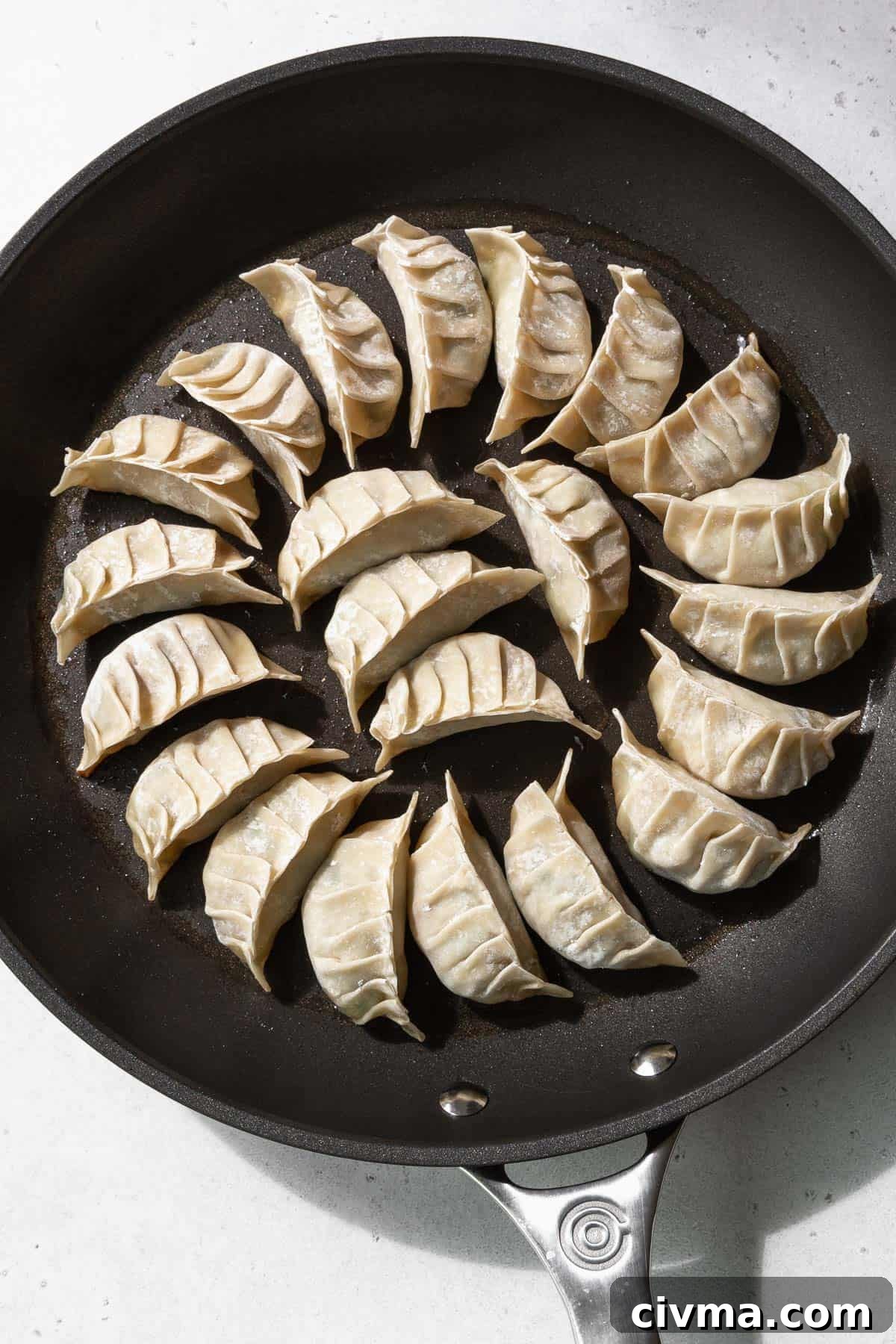
Step 5: Heat oil in a large non-stick frying pan over medium heat. Arrange gyoza flat-side down and cook until the bottoms are golden.
Step 6: Pour in a small amount of water and cover the pan. Steam until the water has mostly evaporated and the wrappers are cooked through.
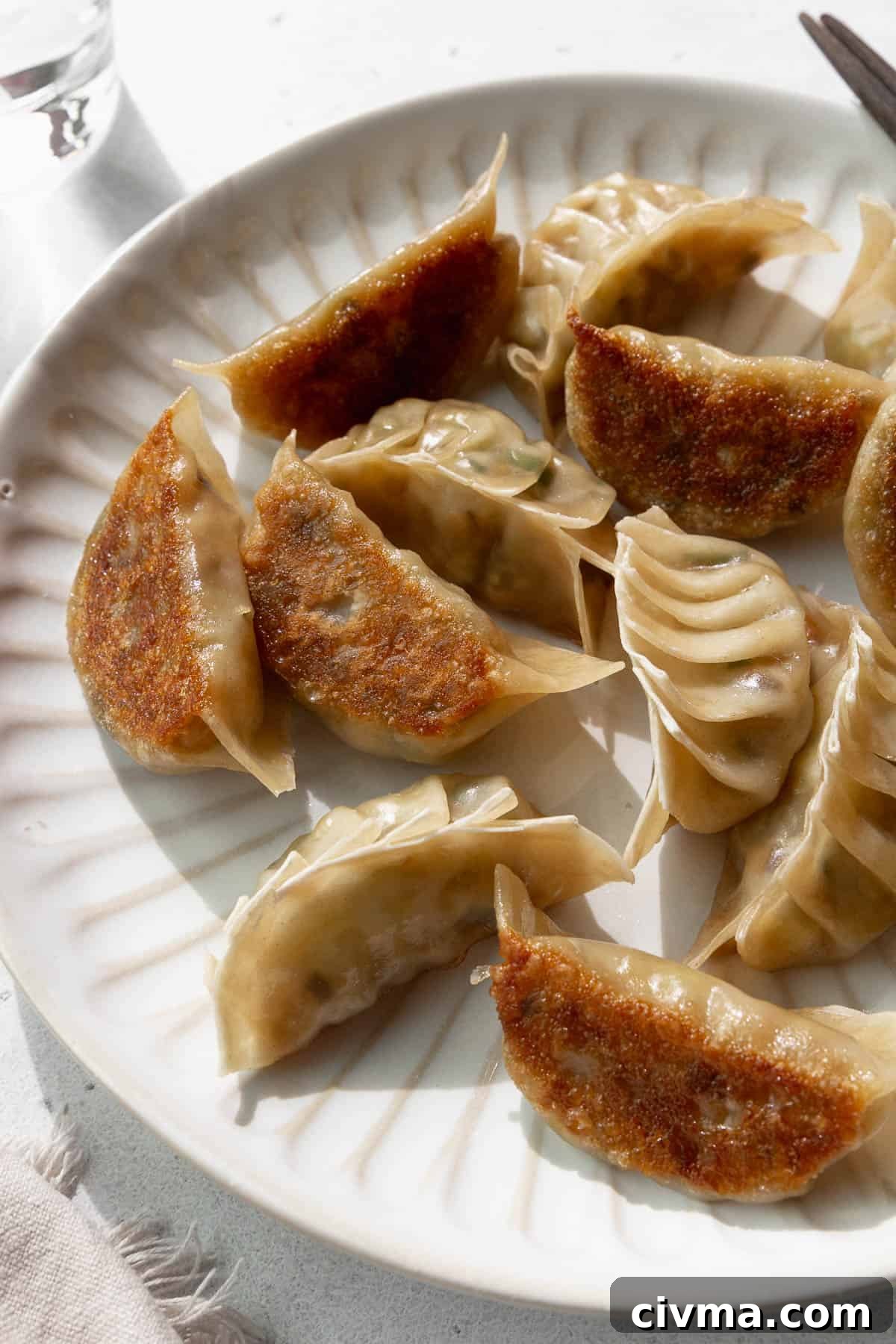
Step 7: Remove the lid, let any remaining moisture evaporate, drizzle with sesame oil, and continue cooking until the bottoms become crisp. Transfer to a plate.
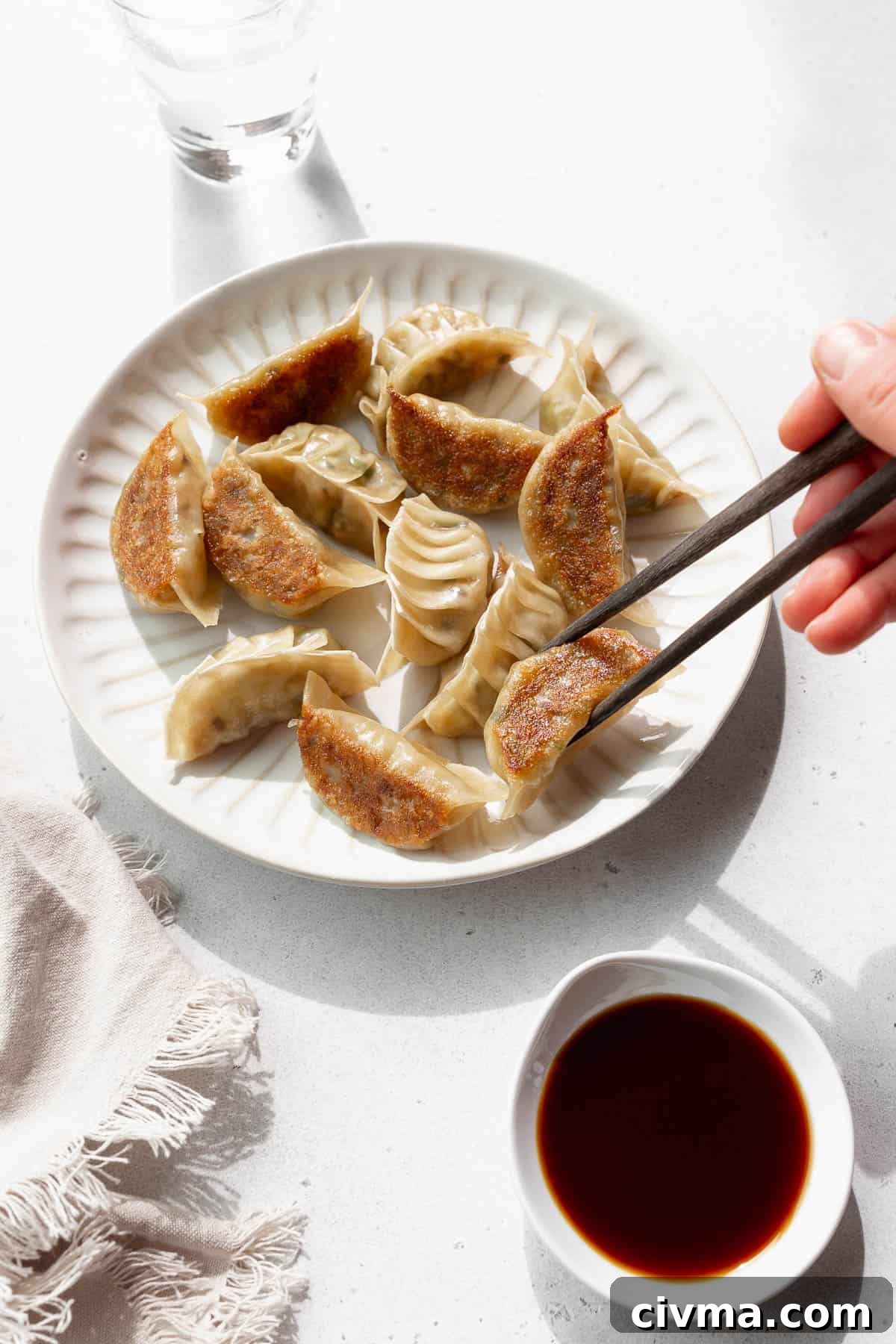
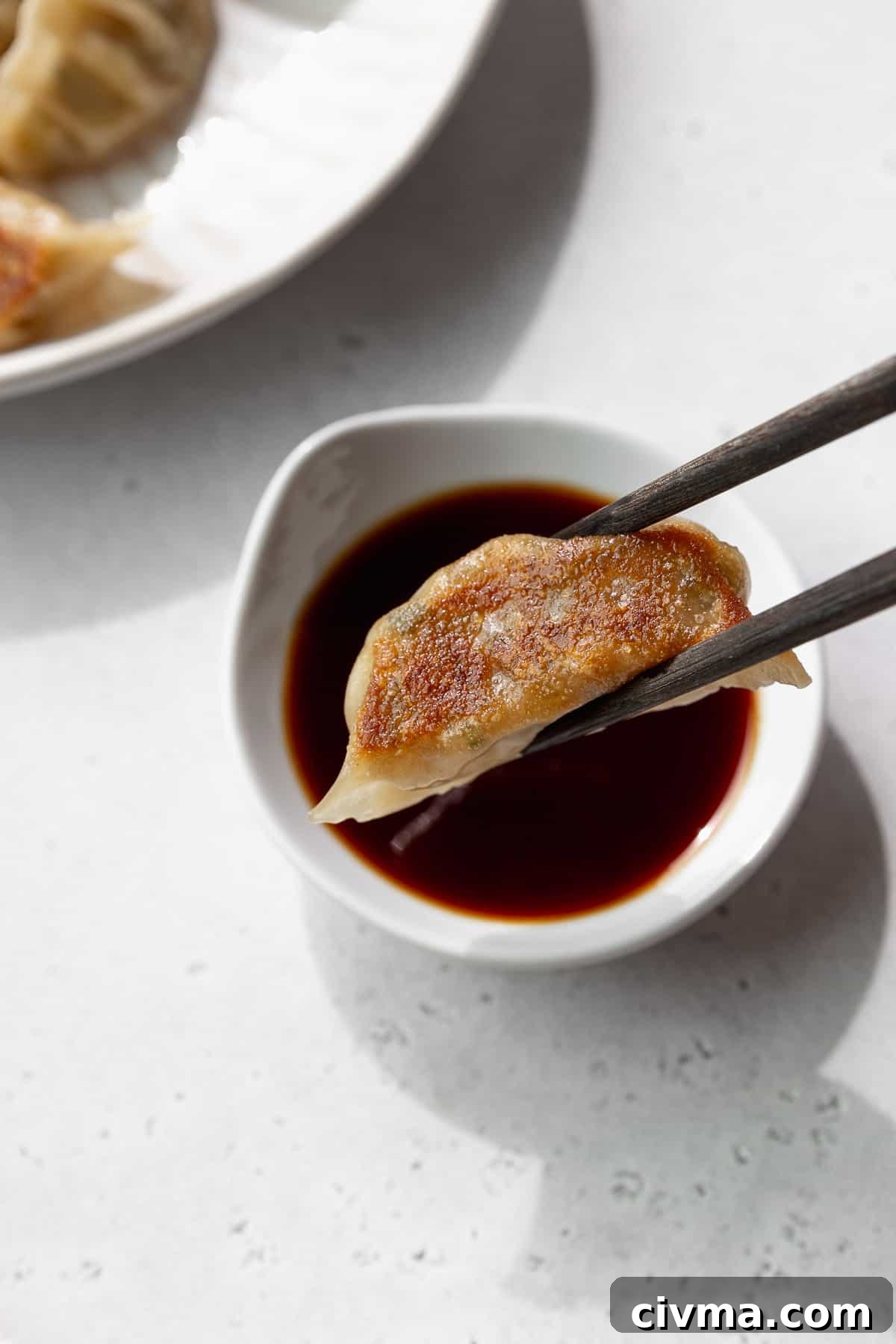
Step 8: Whisk the dipping sauce ingredients—soy sauce, vegan fish sauce, and optional chili oil—in a small bowl and serve immediately with hot gyoza.
Recipe Success Tips
- Salt the cabbage evenly: This extracts excess moisture and prevents a soggy filling.
- Cut vegetables uniformly: Small, even pieces mix and cook more consistently.
- Season before assembling: Taste and adjust the filling so every gyoza is flavorful.
- Eliminate air pockets: Press out excess air before sealing to prevent bursting during cooking.
- Use a non-stick pan: This avoids sticking and helps achieve an even, crispy bottom.
Serving Suggestions
Serve gyoza hot from the skillet with the soy-based dipping blend and optional chili oil. Garnish with sliced green onions and toasted sesame seeds. For a different approach, cook the filled wrappers in boiling water and serve as sui gyoza (boiled gyoza), or simmer them in a light broth as soup gyoza.
Recipe Variations
- Vegetable blend: Swap or add cremini, oyster, or other mushrooms; try Napa or red cabbage for different texture and flavor.
- Heat: Add chili oil or red pepper flakes to the filling or the dipping sauce for a spicier result.
Making Gyoza Ahead of Time
Gyoza freeze well. Arrange freshly assembled dumplings on a parchment-lined baking sheet and freeze until solid. Transfer to a freezer-safe container and store up to three months. When cooking from frozen, add a minute or two to the steaming time until heated through.
Storage and Reheating Directions
Store leftovers covered in the refrigerator for 4–5 days. Reheat briefly in the microwave or crisp them up in a non-stick skillet with a little oil for best texture.
FAQs
“Dumpling” is a broad term for filled dough pockets across many cuisines. Gyoza refers specifically to the Japanese style of dumplings, typically pan-fried and then steamed, with thin wrappers and a distinctive pleated seal.
Yes—if the filling and any sauces are made without animal products. This vegetable gyoza recipe is vegan when prepared with plant-based stock and sauces.
Vegetable gyoza are vegetable-forward and cooked with a modest amount of oil, making them a fiber-rich, vegetable-packed option. Individual nutrition depends on portion size and ingredients used.
More Japanese Recipes
- Try a hearty vegan Japanese curry served with rice and crispy vegan katsu.
- Japanese-style macaroni gratin combines cooked pasta, sautéed vegetables, and creamy sauce baked until bubbling.
- Vegan Japanese cream stew is a comforting, savory one-pot meal perfect for cool weather.
- For dessert, consider yuzu cheesecake, kashiwa mochi, shiratama dango, or strawberry mochi (ichigo daifuku).

Vegetable Gyoza
Ingredients
- 2 cups cabbage, minced
- 1 medium onion, minced
- ½ teaspoon fine salt
- ⅓ cup minced shiitake mushrooms
- ½ cup minced green onions
- 1 teaspoon grated ginger
- 1 teaspoon grated garlic
- 1 teaspoon soy sauce
- 1 teaspoon vegan fish sauce
- 1 teaspoon vegetable stock paste (or 1 vegetable stock cube)
- 1 teaspoon potato starch
- 20 gyoza wrappers
- 1 tablespoon oil
- ¼ cup water
- 1 tablespoon sesame oil
Dipping sauce
- 2 teaspoons soy sauce
- 1 tablespoon vegan fish sauce
- Chili oil, optional
Instructions
- Add minced cabbage to a large bowl, sprinkle with fine sea salt, massage, and let sit 15 minutes. Squeeze out excess water and return cabbage to the bowl.
- Cook the minced onion briefly until softened. Combine with cabbage, mushrooms, green onions, ginger, garlic, soy sauce, vegan fish sauce, stock paste, and potato starch. Mix and adjust seasoning.
- Place a wrapper in your hand, add about 2 teaspoons filling, moisten the edge, fold and seal. Repeat for remaining wrappers.
- Heat oil in a large non-stick pan over medium heat. Arrange gyoza flat-side down and cook until bottoms are golden.
- Add water, cover, and steam until wrappers are cooked. Remove lid, let any remaining water evaporate, drizzle with sesame oil, and cook until bottoms are crisp. Transfer to a plate.
- Whisk dipping sauce ingredients and serve immediately with hot gyoza.
Notes
- Leftover dumplings keep 4–5 days refrigerated. Reheat briefly in the microwave or pan-fry in a non-stick skillet with a little oil to restore crispness.