Have you seen these words used on a product label but are still unsure about what they actually mean? Discover the difference between full-spectrum and broad-spectrum CBD and why knowing the difference matters—especially if you need to pass a drug test.
Article Features
- A quick answer to help you choose the type of CBD you want
- A practical guide to decide which option is right for you
- Product options and how to find reliable testing information
Why You Will Love This Guide
You may have noticed CBD products labeled as either full-spectrum or broad-spectrum—so what exactly is the difference? This guide explains those terms in clear, practical language and highlights why the distinction matters when shopping for CBD.
You’ll learn the definitions, how each product type is made, what to expect from effects and testing, and which option might suit your needs, whether you want the full plant experience or need to avoid THC entirely.
🚀 Test Your Knowledge
(Interactive quiz coming soon.)
The Quick Answer
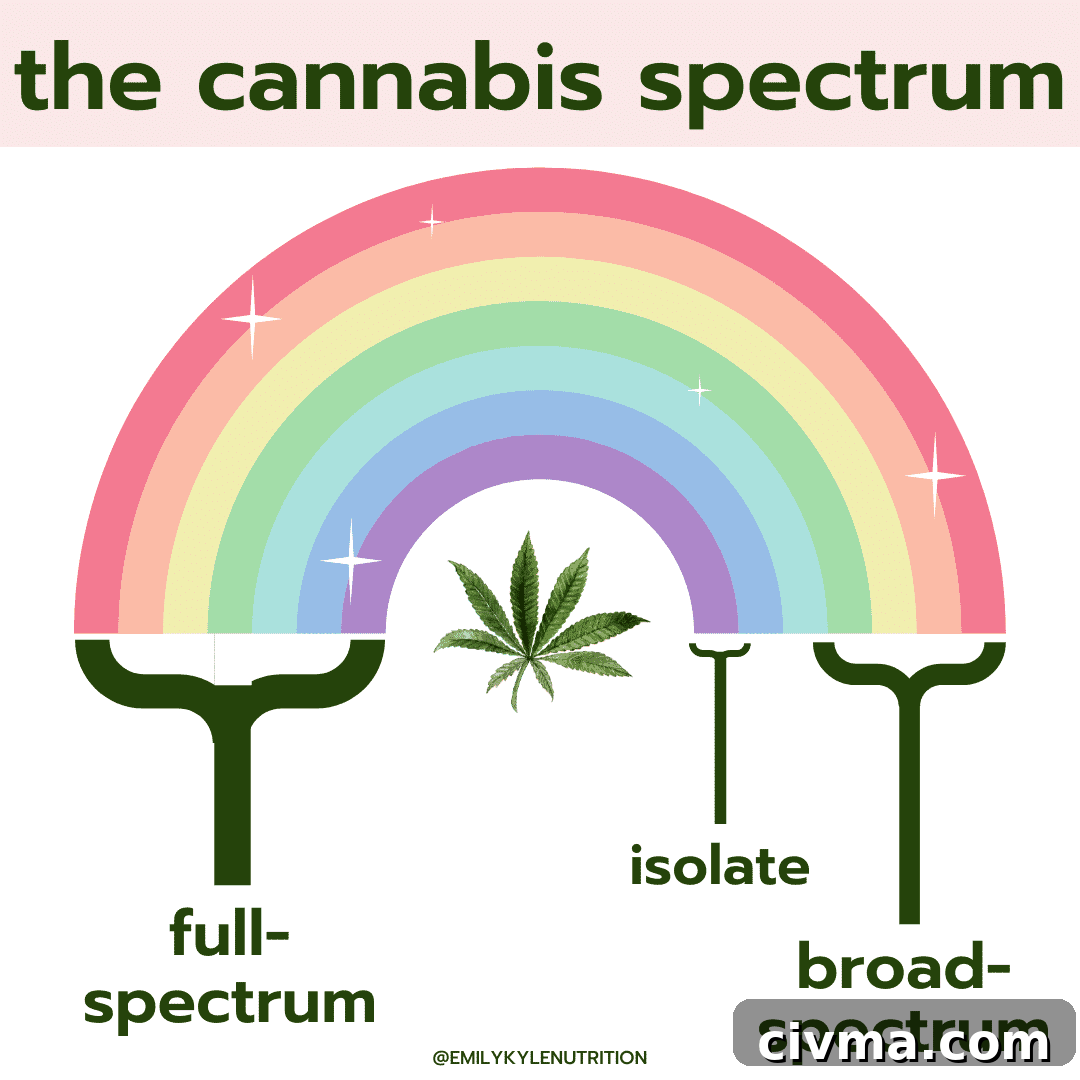
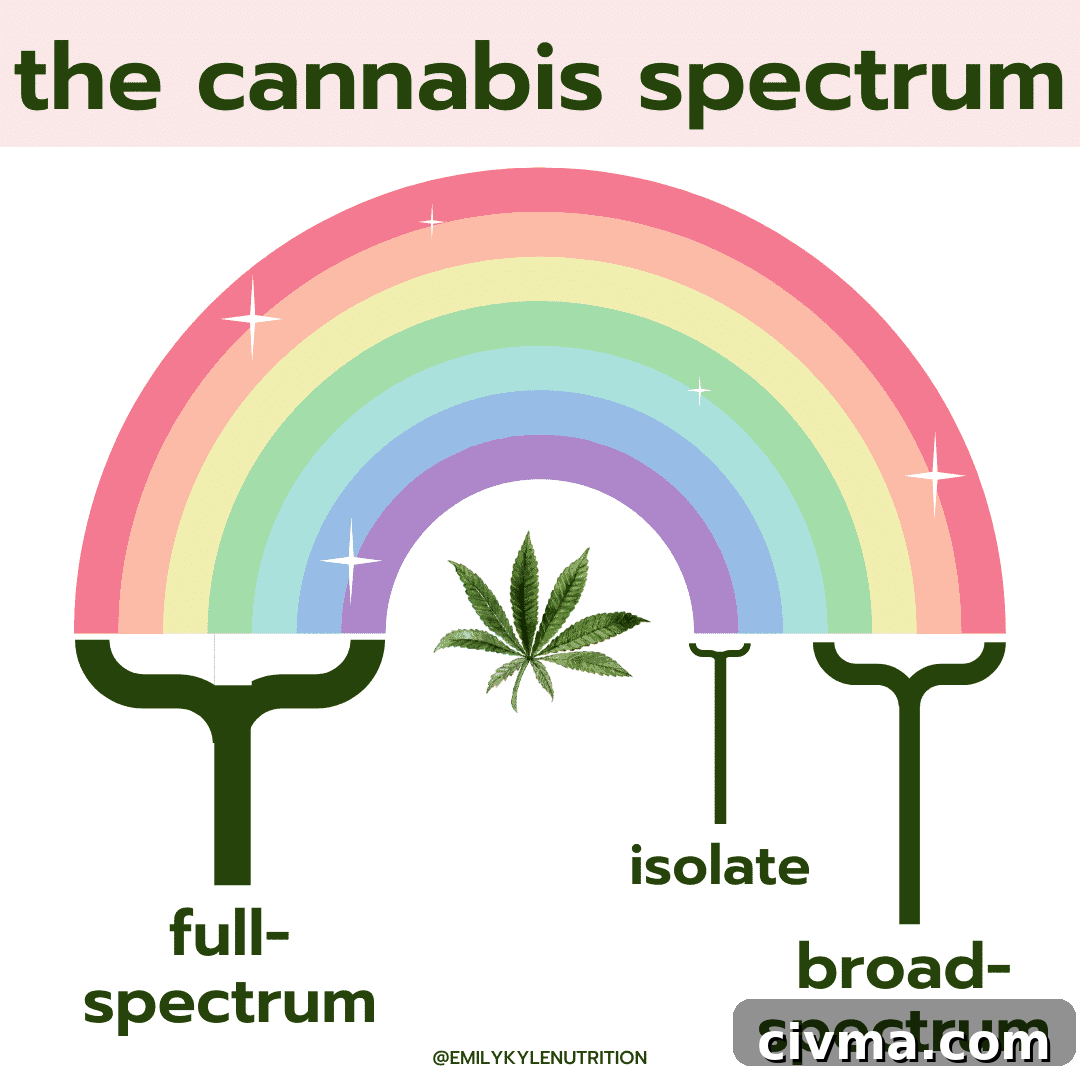
The key difference between full-spectrum and broad-spectrum CBD is THC content. Full-spectrum CBD contains a range of natural cannabis compounds and may include trace amounts of THC (legally under 0.3% in many places). Broad-spectrum CBD contains many of the same plant compounds but has had THC removed so that no detectable THC remains.
The Cannabinoid Spectrum
The cannabis plant produces hundreds of chemical compounds, including more than a hundred cannabinoids and dozens of terpenes. Hemp and marijuana are both forms of Cannabis sativa; hemp is generally defined by law as having less than 0.3% THC while marijuana contains more than that threshold in many jurisdictions.
THC is one cannabinoid among many. Others include THCA, CBDA, CBD, CBN, CBG, and CBC. These compounds interact with the body’s endocannabinoid system and can influence pain, inflammation, mood, sleep, and more.
When the plant’s cannabinoids and terpenes are present together, they form a spectrum of active components that can interact in complementary ways.
What Is Full-Spectrum?
Full-spectrum products include the naturally occurring cannabinoids, terpenes, and other plant compounds from the whole plant. That means CBD alongside minor cannabinoids, flavonoids, fatty acids, and terpenes—preserving the plant’s natural profile as closely as possible.
Because full-spectrum extracts retain trace THC, they may deliver a more complete set of effects. Many users and some researchers describe this combined action as the “entourage effect,” where multiple compounds work together to enhance potential benefits.
Strain selection matters: different strains produce different balances of cannabinoids and terpenes. Some are bred for high CBD and low THC, while others are higher in THC. That diversity gives consumers choices depending on desired outcomes and legal constraints.
If you do not have concerns about drug testing or local legal limits, full-spectrum products can be a strong option to explore for potential synergistic benefits.
What Is Broad-Spectrum?
Broad-spectrum products contain multiple cannabinoids and terpenes but have undergone additional processing to remove THC. The goal is to preserve the benefits of multiple plant compounds while eliminating detectable THC.
Broad-spectrum CBD is a good option for people who want many of the plant’s compounds but must avoid THC for work, legal reasons, or personal preference. Always look for products that are clearly labeled THC-free and supported by third-party lab testing to confirm the absence of THC.
What Are Isolate Products?
Isolate products contain a single, purified compound—commonly CBD—isolated from all other plant materials. CBD isolate is typically 99%+ pure CBD and contains no THC, terpenes, or other cannabinoids.
Isolates provide a high concentration of one compound but do not deliver the combined effects associated with full-spectrum or broad-spectrum extracts. Some users prefer isolates for precise dosing or when they want to avoid other compounds entirely.
Choosing What’s Right For You
Consider these practical factors when choosing a product:
- Drug testing: If you must pass regular tests, choose THC-free broad-spectrum or verified isolates with third-party results.
- Desired effects: For the fullest plant experience, full-spectrum may offer broader benefits due to compound synergy.
- Legal environment: Verify local laws; federal and state rules can differ on allowable THC levels.
- Quality and transparency: Prefer products that provide CO2 extraction details and clear third-party lab reports showing cannabinoid and contaminant testing.
If you prefer convenience and certainty, look for reputable brands that post lab reports and explain extraction methods and cannabinoid profiles.
Product Types and Uses
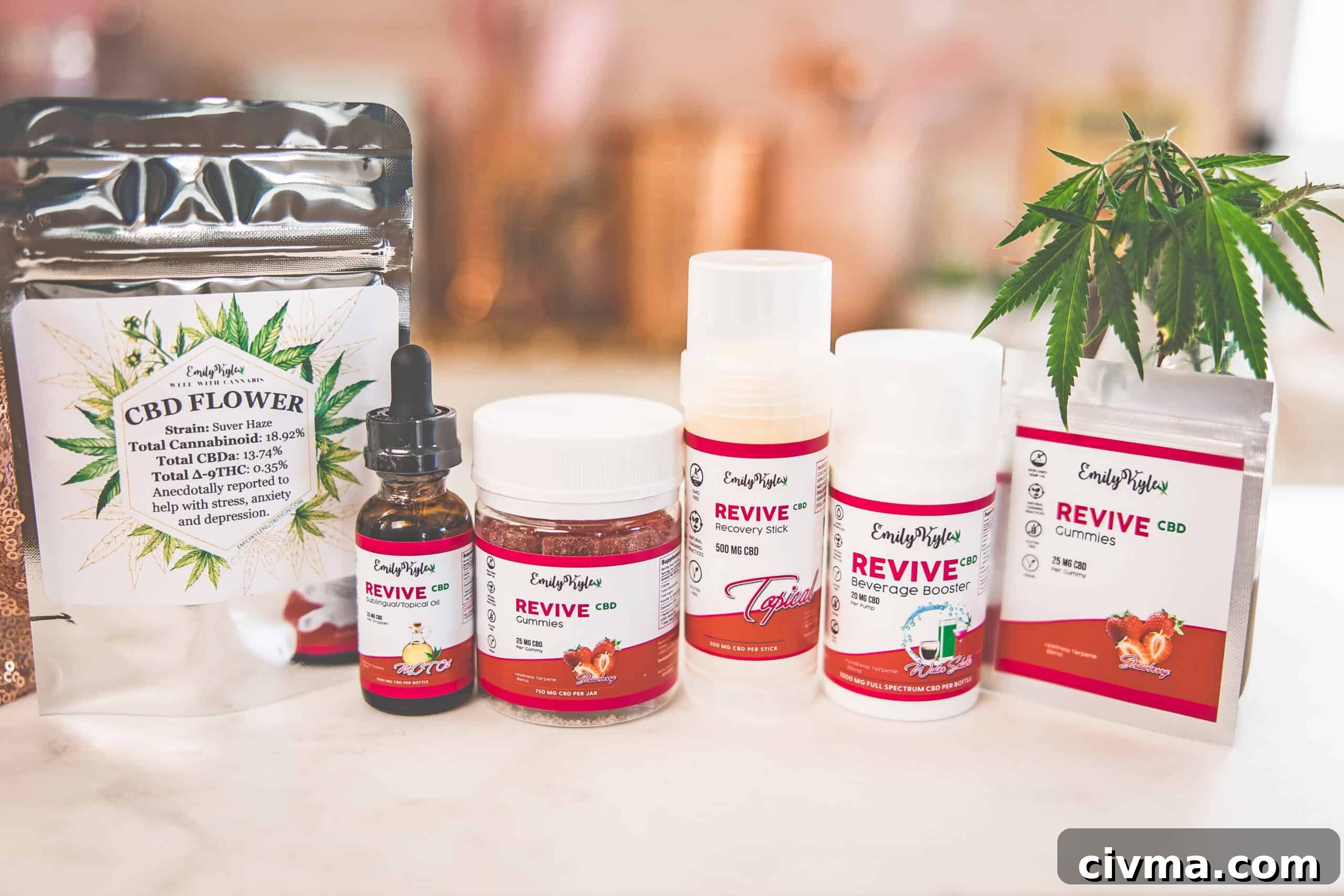
CBD is available in many formats: tinctures and oils for sublingual use, gummies and capsules for consistent dosing, topicals for localized relief, and flower or concentrates for inhalation or infusion. Topical full-spectrum products typically do not deliver measurable THC into the bloodstream and are less likely to affect drug testing, but ingestible products can.
CO2 extraction is a common method for preserving cannabinoid and terpene profiles without solvent residues. When shopping, prioritize clear labeling and accessible lab data so you can confirm whether a product matches your needs.
Product Examples
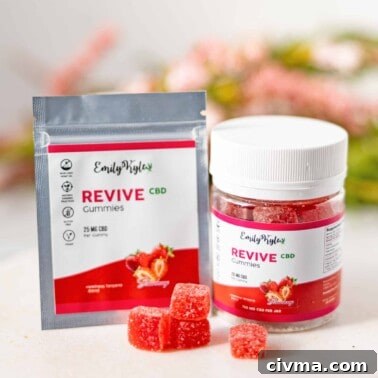
Example: Gummies
CBD gummies are an easy way to dose consistently
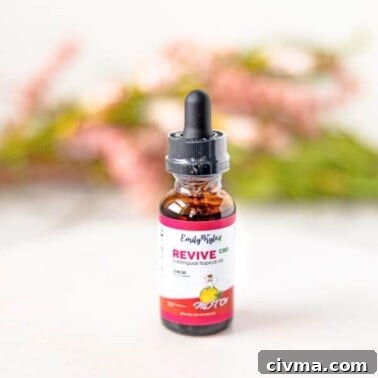
Example: Tinctures
Tinctures allow flexible dosing and quick absorption
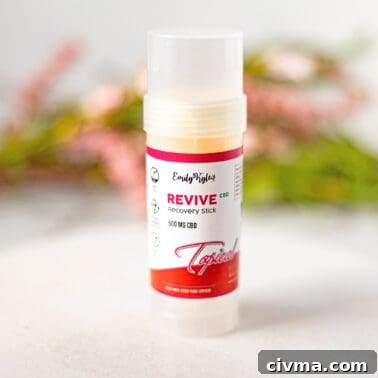
Example: Topicals
Topicals are best for localized relief without systemic effects
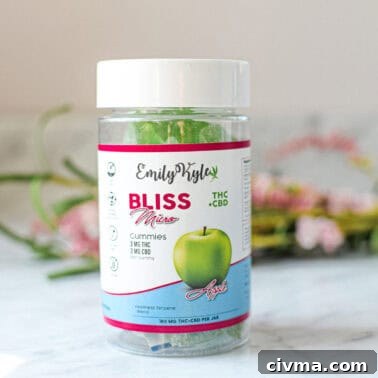
Example: Micro Gummies
Micro doses can help you titrate to the ideal amount
Frequently Asked Questions
If you are new to CBD, starting with 10–20 mg per serving is common. Products vary in strength, so check the label and start low, increasing gradually while monitoring effects. CBD itself is not psychoactive; THC is the compound that can produce a high.
Under federal rules in many regions, hemp-derived CBD products are allowed to contain up to 0.3% THC, but state regulations can differ. In regulated recreational markets, products may contain higher THC levels. Always check local laws and product labeling for compliance.
Full-spectrum products can contain enough THC to result in a positive drug test if ingested or used sublingually. Topical applications are less likely to introduce THC into the bloodstream, but they are not guaranteed. If you must be certain you will pass a drug test, choose a verified THC-free broad-spectrum product or a CBD isolate that is backed by third-party lab reports confirming no detectable THC.
Yes. It is possible to create homemade full-spectrum extracts such as full-extract cannabis oil (FECO) using careful extraction methods. Home extraction requires knowledge of safe procedures and awareness of local laws. If you choose to make extracts at home, follow reputable instructions and safety practices.
Some people find relief with CBD alone, while others benefit from a combination that includes THC. Full-spectrum products may offer broader pain relief for some users due to multiple active compounds. The best choice depends on individual response, dosing, and application method (topical, inhaled, or ingested).
Hemp seed oil is a nutritious culinary oil but does not contain CBD or THC. It is not the same as hemp-derived CBD oil and does not produce cannabinoid effects.
Yes. CBD oil can be used in cooking and baking to create edibles. Be mindful that heat can alter potency and that dosing becomes less precise in recipes unless portioned carefully. Choose the right product type (broad-spectrum, full-spectrum, or isolate) depending on whether you want to include THC.
Store CBD oil in a cool, dark place, tightly sealed to minimize exposure to air and light. Proper storage helps preserve potency and extend shelf life.
If you have medical conditions or take prescription medications, consult a healthcare professional before using CBD. The information here is educational and not medical advice.
Yes. You can make infused butter using CBD flower or oil as a starting ingredient. Proper decarboxylation and infusion steps are important to ensure potency and safety.
Unlock the basics of CBD in a few days
If you want structured learning, look for reputable workshops or educational courses that cover CBD, THC, dosing, safety, and legal considerations. A short, guided program can help you gain confidence and make informed choices.
More CBD Articles You Will Love
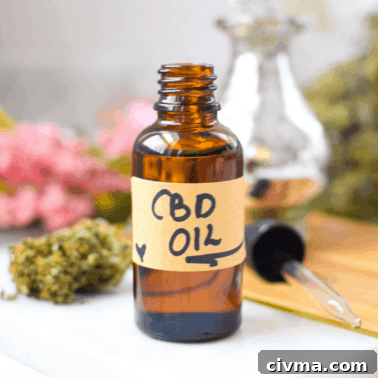
Cannabis Infusions & Extractions
Easy homemade CBD oil recipes and safe extraction methods
CBD Guides & Recipes
CBD oil vs. hemp seed oil: what’s the difference and why it matters
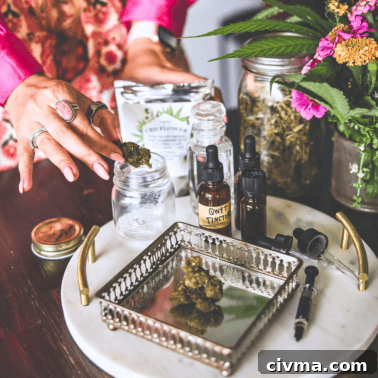
CBD Guides & Recipes
A beginner’s guide to CBD flower and simple ways to use it
CBD Guides & Recipes