
Jonathan and Renee are the parents of my husband’s trusted “right-hand man” in his small software business. Their son began working there when he was only 16, and his story is just one example of how this family has approached education, life skills, and work in a very intentional way.
I was fascinated and encouraged by Jonathan and Renee’s stories. They are not talking about just one child who found a meaningful path early in life. They have watched six of their children follow their interests, develop valuable skills, and earn money from those skills without taking on college debt.
From bladesmithing to art, from efficiency and systems work to podcast editing, this interview is worth hearing for the stories alone. Even if you are not actively looking for advice, the way this family thinks about preparing teens for the future is inspiring and practical.
If you do want to learn how to help your pre-teen or teen turn natural strengths into a marketable skill, this conversation offers plenty of ideas you can apply at home. Here is what you can look forward to:
- The important insight Jonathan discovered when he took over home education for their children
- How the Harris family challenges common assumptions about what kids and teens are capable of doing
- The power of helping your teen think about how to bring value to the world, instead of only focusing on making money or doing what they love
- Why developing a marketable skill at a young age can create confidence, direction, and opportunity
- A practical approach to recognizing your child’s talents and interests while helping them find real-world ways to use them
This has been one of my favorite interviews in a long time. I would love to hear what happens when you try Jonathan’s simple “do this today” challenge in your own home.
Can’t see the video? Watch Preparing for the Future here on YouTube.
No time to watch the full video? Here are the main notes and takeaways.
Preparing Teens for the Future
- 0:36: I have known Renee since 2009 through her business MadeOn, which makes hard lotions and lip balm. Running an online business changed how Jonathan and Renee raised and educated their children. They began looking for ways to help each child develop a meaningful, marketable passion before leaving home.
- 2:54: Jonathan and Renee talk about the transition from being employees to becoming business owners. They also explain how their philosophy of education changed and how they began customizing learning for each child.
Why are we homeschooling to a curriculum when we could be doing anything we want? Let’s homeschool around their interests. -Renee Harris
- 9:50: The Harris children first used their skills and interests within the family business. As they grew into their teen years, they began moving outward and building their own opportunities and businesses.
- 10:24: It is easy to wonder, “But what about the basics?” A child might be strong in photography, for example, but still need help with communication. Jonathan explains how they handled those gaps while still nurturing each child’s strengths.
What Are Your Child’s Interests?
- 11:37: The third Harris child, now an adult, has been working for my husband since he was 16. He never took a college coding class, but he now has a successful role with a small technology company.
- 11:59: Today, families have access to an incredible number of online classes, tutorials, and software tools. Teens can learn design, coding, music, editing, business, art, and many other skills from home when they have the right support and direction.
- 14:00: Jonathan and Renee share what several of their adult children are doing now, showing the variety of paths that can come from paying attention to each child’s interests and abilities.
- 18:48: Children have potential already inside them. Parents can help draw out their children’s strengths, guide their growth, and build confidence through practice. One practical strategy the Harris family uses is having their children blog about their learning journey so they can strengthen communication skills along the way.
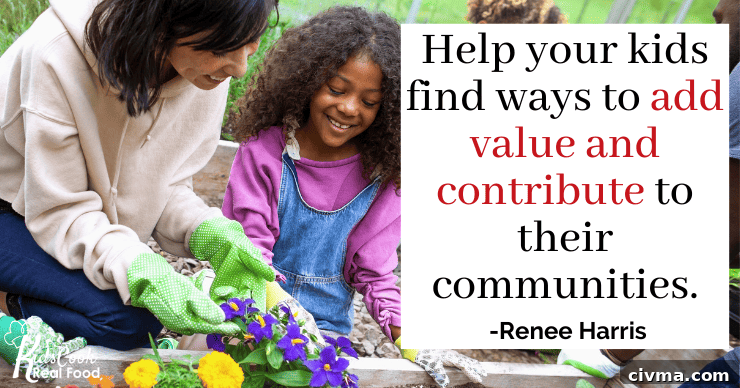
- 23:46: Parents can use monthly course subscriptions, online lessons, or instruction from artists, musicians, and other skilled professionals to help a child grow in a specific area. One of the Harris daughters is an artist and has used online courses over the years to keep developing her craft.
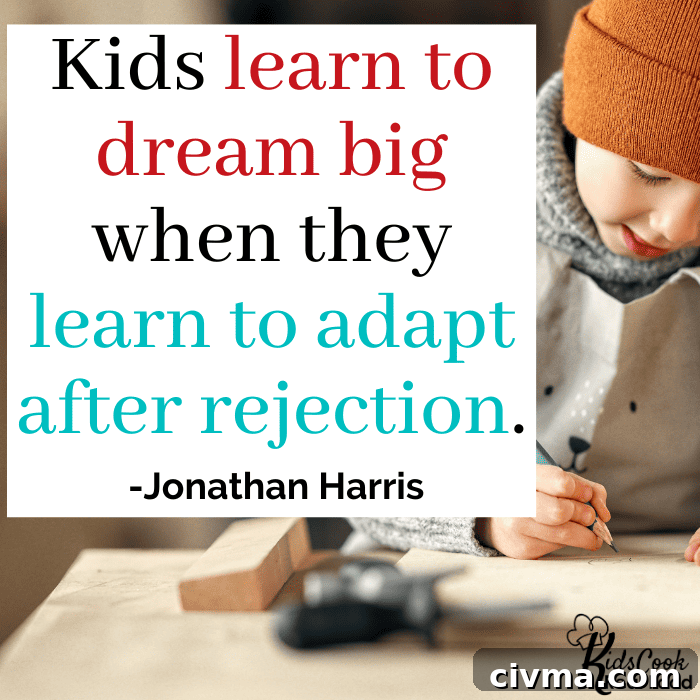
- 26:57: It is valuable to help teens find opportunities to sell products or use their skills in real situations during high school. That experience teaches them about customers, quality, pricing, deadlines, rejection, and improvement before they are relying on that skill for a full income.
Cultivating Your Teen’s Passions
- 33:34: The conversation walks through a practical process for cultivating your child’s passion. The first step is to take an inventory of your child’s interests, strengths, talents, and natural motivations.
- 36:06: Next, look at the resources and tools already available to your child. These may include physical supplies, online courses, software, books, local classes, mentors, or people in your community who have useful experience.
- 37:57: The next step is to find an opportunity to take action. A helpful starting question is, “How could I make $5 with this interest?” From there, you can help your teen think about how their skill could bring value to someone else. Jonathan and Renee give practical examples of how this process can grow one step at a time.
- 41:17: This is not about forcing a child into a career path too early. It is about helping them notice where they can make a real impact in the world. When teens experience the joy of using their abilities to serve others, motivation often grows naturally.
- 42:00: One simple option is to contact local businesses and ask whether your child could help in a field that interests them. Even small opportunities can give teens experience, feedback, and confidence.
- 42:55: Many people know the stereotype of the “starving artist,” where someone gives up on a passion because it does not provide enough income. Jonathan and Renee emphasize that learning how to market an interest and turn a passion into a useful, marketable skill is essential.
- 43:39: How does this apply to families who do not homeschool? Renee shares ideas for talking with teachers, exploring flexible options, and supporting your child’s interests within a traditional school setting. Parents can also use weekends, evenings, and school breaks to practice many of these strategies.
- 50:50: The Harrises led a workshop where they guided teens through the process of discovering their passions in season one of #LifeSkillsNow. They also have a workshop in season two, which you can sign up for here.
- 54:55: The episode ends with one quick win you can try today to start helping your teen identify strengths and take a small step toward using them.
Resources We Mention for Raising Teens
- Sign up for the FREE #LifeSkillsNow summer camp
- Season one of #LifeSkillsNow
- Find Jonathan and Renee online: Parent Their Passion
- How to Find Your Passion Early for ages 12-16
- The Harris family’s lotion business, MadeOn
- Noelle’s art on Instagram
 Jonathan and Renee Harris are a husband-and-wife team with 24 years of experience educating their children at home while running an online handcrafted skincare business. When they moved from being employees to owning their own business, they made a significant change in the way they approached their children’s education. That shift eventually became the method they now call “Parent Their Passion.”
When their oldest child turned 12, it became clear to them that they did not want education to be only about filling each grade level with more information. They wanted learning to connect with purpose, skill development, responsibility, and real-world value.
They began experimenting by shaping their son’s traditional studies around the development of a marketable talent that fit his strengths, abilities, and personal drive. By the time he graduated from high school, he had built his own aerial drone business and was able to support himself financially.
Jonathan and Renee have since graduated four more of their nine children, guiding each one toward a unique path through intentional talent development.
Today, Jonathan and Renee teach parents how to identify and develop a child’s skill set, interests, and talents so those abilities can become something useful, marketable, and remarkable. Their goal is to help families prepare teens for the future with confidence, practical life skills, and a profitable path before they leave home.