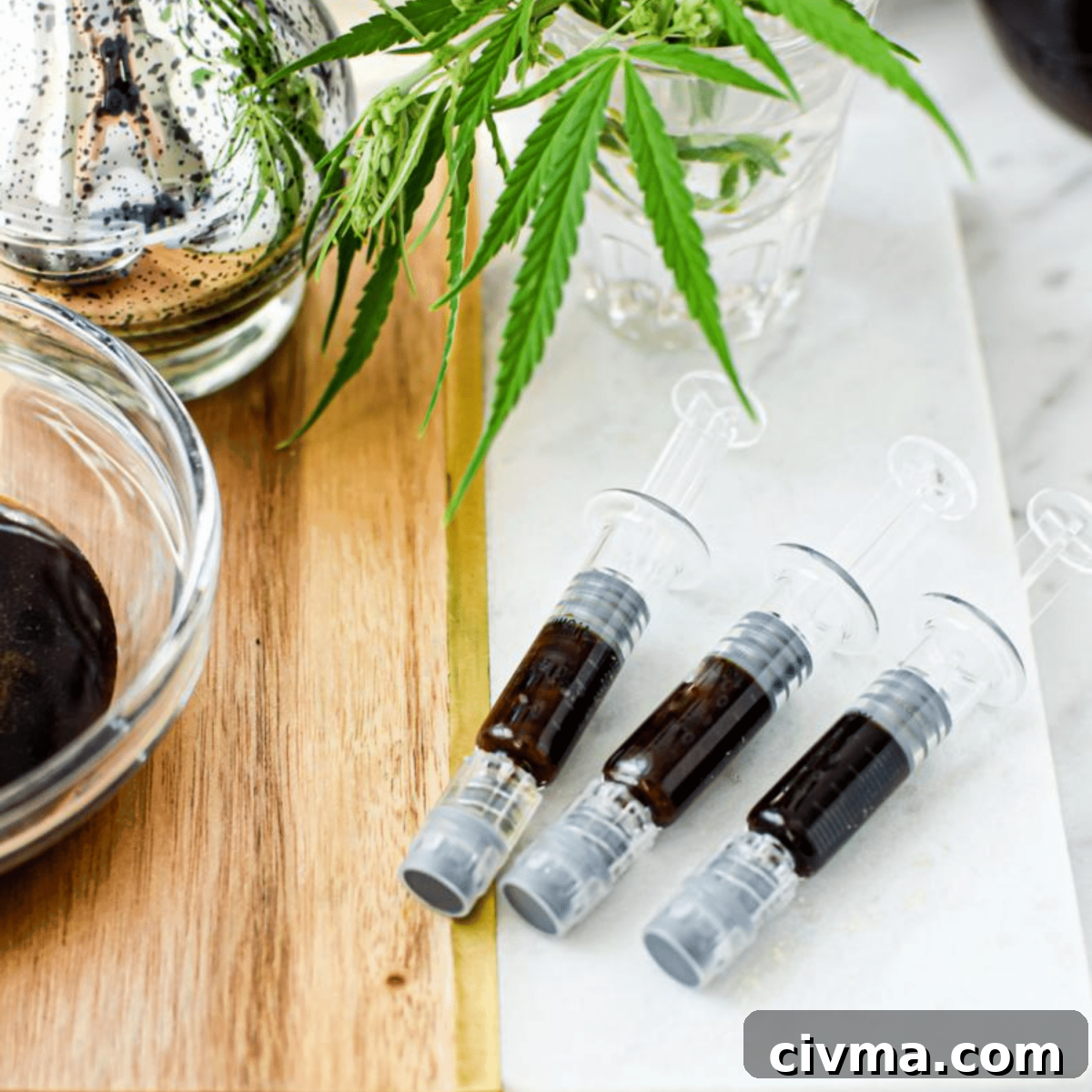
Have you heard of FECO, also known as full-extract cannabis oil? This highly concentrated cannabis extract is valued for its potency, versatility, and full-spectrum plant compounds. The good news is that FECO can be made at home with just cannabis flower and high-proof food-grade alcohol. This guide explains how to make full-extract cannabis oil safely, step by step, and how to use the finished oil as a tincture, edible, topical, or capsule.
Article Features
- A beginner-friendly guide to making full-extract cannabis oil at home
- Only two main ingredients required: cannabis flower and high-proof grain alcohol
- Clear safety tips for working with alcohol and evaporating it properly
- Ideas for using FECO in edibles, tinctures, topicals, capsules, and more
Why You Will Love This Guide
For many cannabis consumers, FECO is considered one of the most useful and powerful cannabis extracts. Full-extract cannabis oil, sometimes called FECO, RSO oil, or Phoenix tears, is made by soaking cannabis in a solvent such as food-grade alcohol. The alcohol pulls cannabinoids, terpenes, and other plant compounds from the cannabis material.
After the tincture is prepared, the alcohol is evaporated, leaving behind a thick, dark, concentrated cannabis oil. This final oil contains cannabinoids such as THC and CBD, depending on the cannabis used. Because FECO is concentrated, it can be very potent and should be used carefully.
This method is one of the more accessible ways to create a full-spectrum cannabis concentrate at home. Once prepared, FECO can be used in many different ways, including edibles, homemade topicals, tinctures, and capsules.
Before you begin, read the entire guide from start to finish. Working with high-proof alcohol requires care, patience, and attention to safety. This guide will help you understand the process before you start so you can make a cleaner, safer, and more effective final product.
What is Full-Extract Cannabis Oil?
Full-extract cannabis oil is a concentrated cannabis extract made by using alcohol to remove desirable compounds from the plant. It is different from a standard cannabis oil infusion, where cannabis is soaked in a fat such as coconut oil, olive oil, butter, or MCT oil.
In a regular cannabis oil infusion, the fat helps bind with cannabinoids. With FECO, alcohol is used as the extraction tool. After the cannabis has soaked in alcohol, the plant material is strained out and the alcohol is evaporated. What remains is a dark, sticky, full-spectrum cannabis oil.
Alcohol is efficient at extracting major cannabinoids, minor cannabinoids, terpenes, and other plant compounds. Together, these compounds create a whole-plant extract that many people seek for the potential entourage effect.
Because FECO is concentrated, even a very small amount can be strong. Many people use only a rice-grain-sized amount at a time. The final potency depends on the amount and strength of the cannabis you start with, the extraction method, and the final volume of oil collected.
Helpful Tip
If you are new to cannabis, take time to learn common cannabis terms, cannabinoids, dosing language, and application methods before making or using FECO.
FECO vs. RSO
FECO and RSO are often discussed together because they are very similar in appearance and use. Both are thick, dark, sticky cannabis concentrates made by extracting cannabinoids with alcohol and evaporating the alcohol away.
The important difference is the type of alcohol used. FECO is made with high-proof, food-grade grain alcohol. Traditional RSO methods may reference solvents such as isopropyl alcohol or naphtha, which are not appropriate for this home guide.
- Do not use rubbing alcohol or isopropyl alcohol for any cannabis product you plan to ingest.
This guide uses high-proof, food-grade grain alcohol because it is intended for human consumption when used appropriately and evaporated safely. Lower-proof alcohols, such as vodka, are not ideal because they are less efficient for this type of extraction.
Quick FECO Instructions
Need a fast overview? Here is the basic process:
- Decarboxylate your cannabis using the correct time and temperature for the dominant cannabinoid.
- Prepare a cannabis alcohol tincture using a Green Dragon or Golden Dragon style method.
- Strain the tincture to remove plant material.
- Evaporate the alcohol safely, away from open flames.
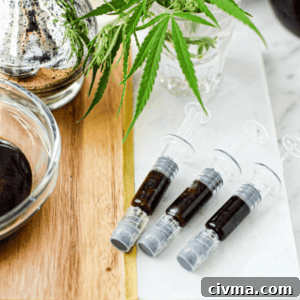
- Collect the thick FECO in a glass syringe or airtight glass container.
- Use carefully in edibles, tinctures, topicals, capsules, or other preparations.
Detailed instructions are included below.
What You’ll Need
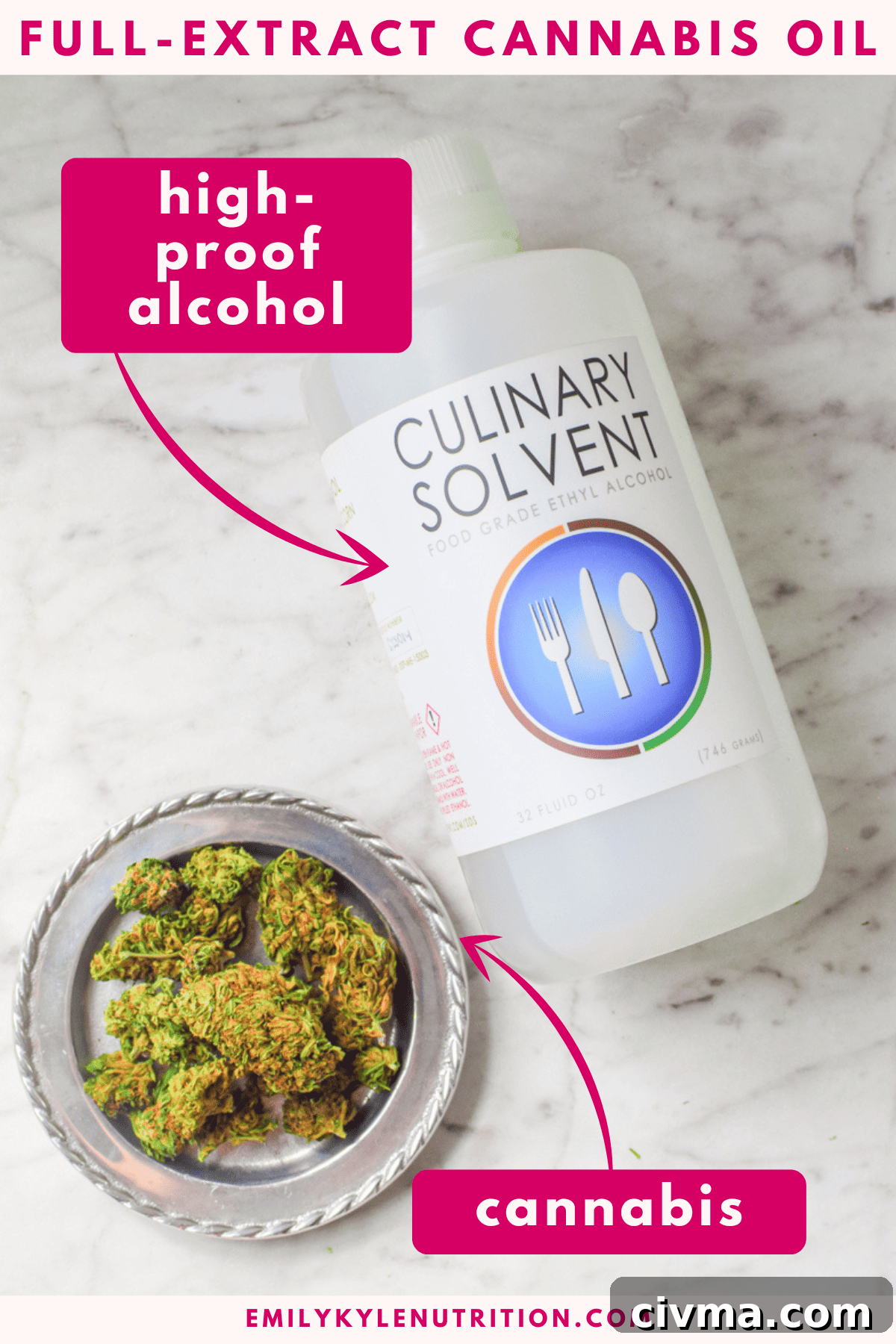
- Cannabis: Use THC, CBD, or CBG flower, depending on the type of FECO you want to make. You may also use trim, sugar leaves, or kief. Weigh your cannabis in grams before starting if you want to estimate final potency.
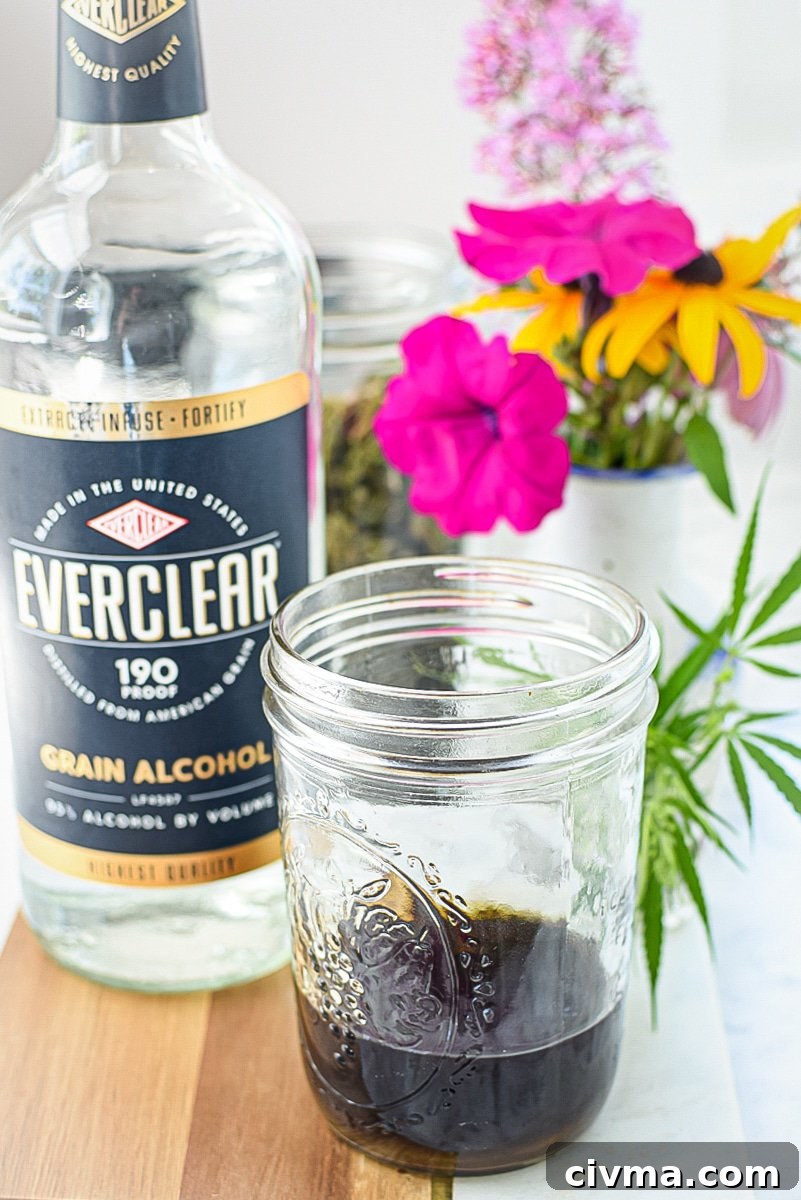
- Alcohol: Use high-proof, food-grade grain alcohol. Aim for at least 150 proof, with 190 or 200 proof preferred when available. Do not use rubbing alcohol.
- Glass jars: Mason jars work well for tincture preparation and evaporation.
- Filter: A coffee filter, cheesecloth, or fine mesh filter helps separate plant material from the tincture.
- Storage: Glass syringes or small airtight glass containers are helpful because FECO is thick and sticky.
Note: The recipe card below includes ingredient amounts and printable-style instructions.
Step #1 – Decarboxylate
Before adding alcohol to cannabis, you need to decarboxylate the plant material. Decarboxylation uses low heat over time to activate cannabinoids such as THC, CBD, or CBG. Without this step, the finished FECO may not provide the expected effects from activated cannabinoids.
The right time and temperature depend on the dominant cannabinoid in your starting material. Avoid using high heat, as excessive heat may damage delicate plant compounds.
Time Note
Use these general decarboxylation times as a guide:
Decarb Times
- THCA → Δ9-THC: bake at 240°F/116°C for 40 minutes
- CBDA → CBD: bake at 240°F/116°C for 90 minutes
- CBGA → CBG: bake at 220°F/105°C for 60 minutes
- Δ9-THC → CBN: bake at 240°F/116°C for 180+ minutes (approximate; CBN develops slowly and may form only in small amounts during a single bake)
Step #2 – Make a Tincture
After decarboxylation, the next step is to make an alcohol-based cannabis tincture. Place the decarbed cannabis in a glass jar and add just enough high-proof grain alcohol to fully cover the plant material. Seal the jar and shake gently.
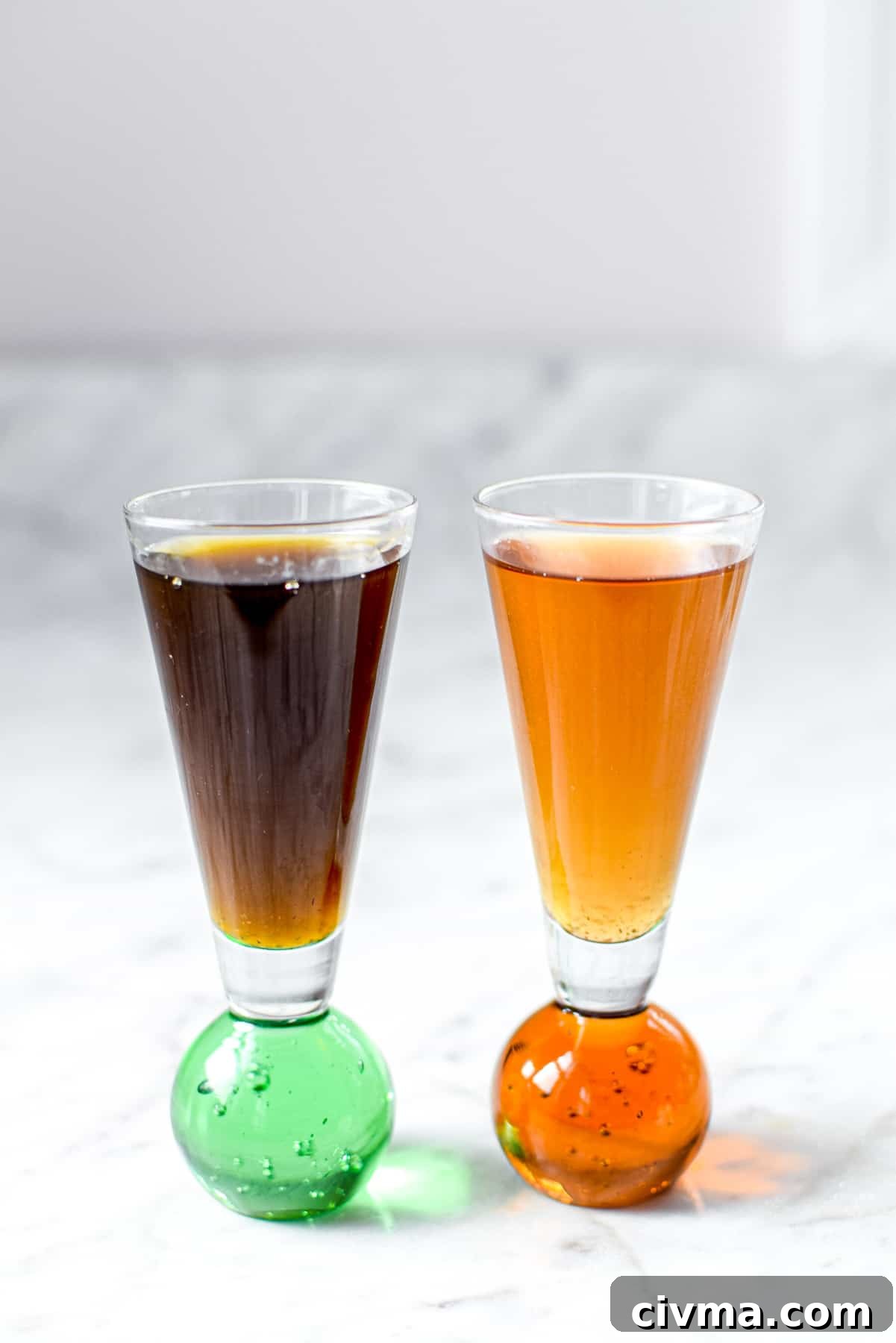
You can use a longer soak method, often called Green Dragon, or a quick freezer method, often called Golden Dragon. Both methods can work. A longer soak may produce a stronger tincture, but it may also extract more chlorophyll and plant matter, creating a darker color and stronger herbal flavor.
Your Next Steps
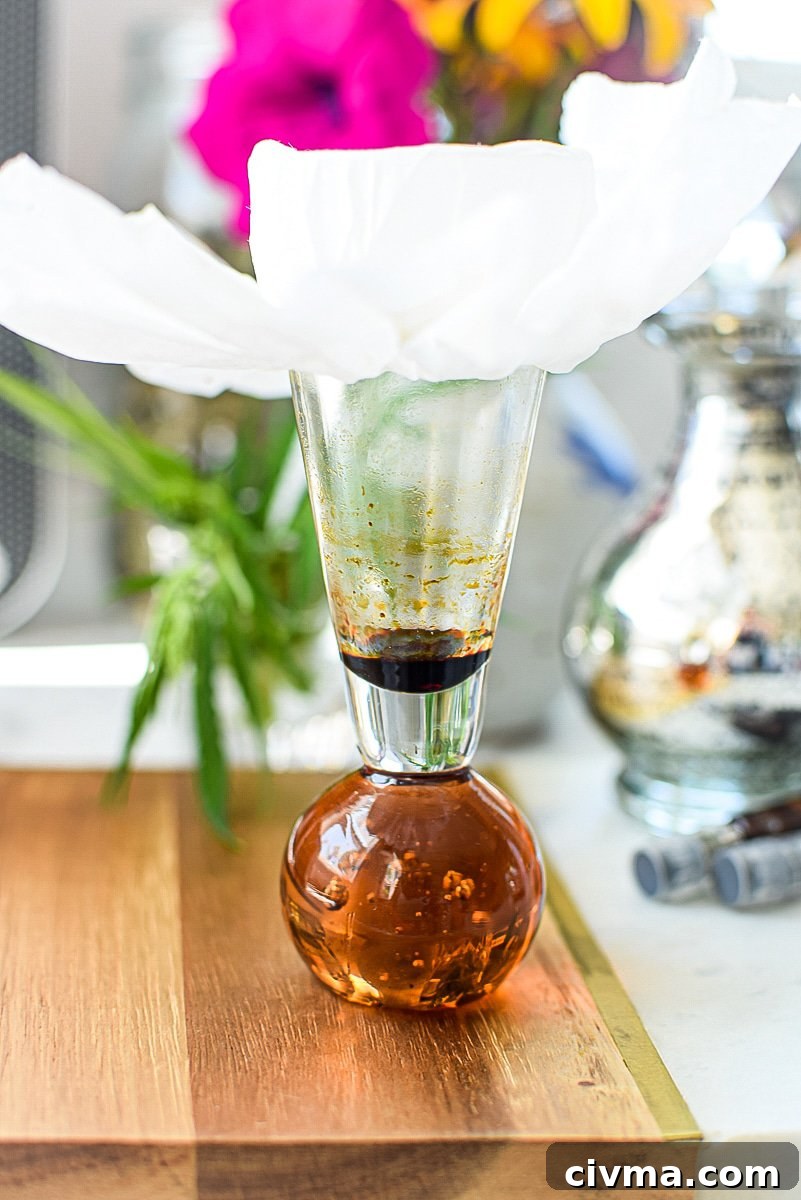
Once the tincture is ready, strain it through a coffee filter or cheesecloth into a clean glass jar. At this point, you can stop and use the tincture as an alcohol-based tincture, or you can continue to the next step and evaporate the alcohol to create FECO.
Step #3 – Evaporate
The alcohol has now done its job by extracting the cannabinoids and plant compounds. The next step is to remove the alcohol through evaporation. This concentrates the tincture into a thick, potent, full-extract cannabis oil.
- High-proof alcohol is extremely flammable.
- Never evaporate alcohol over an open flame or gas stove.
Always work in a well-ventilated area, away from sparks, flames, and high heat. Evaporating alcohol can create a strong odor, so airflow is important.
Evaporation At Room Temperature
The safest method is to let the tincture sit uncovered at room temperature until the alcohol evaporates. This method can take several days, depending on the amount of tincture. Cover the opening with a coffee filter or breathable material to keep dust or debris out while allowing alcohol vapors to escape.
Evaporate Alcohol With Heat
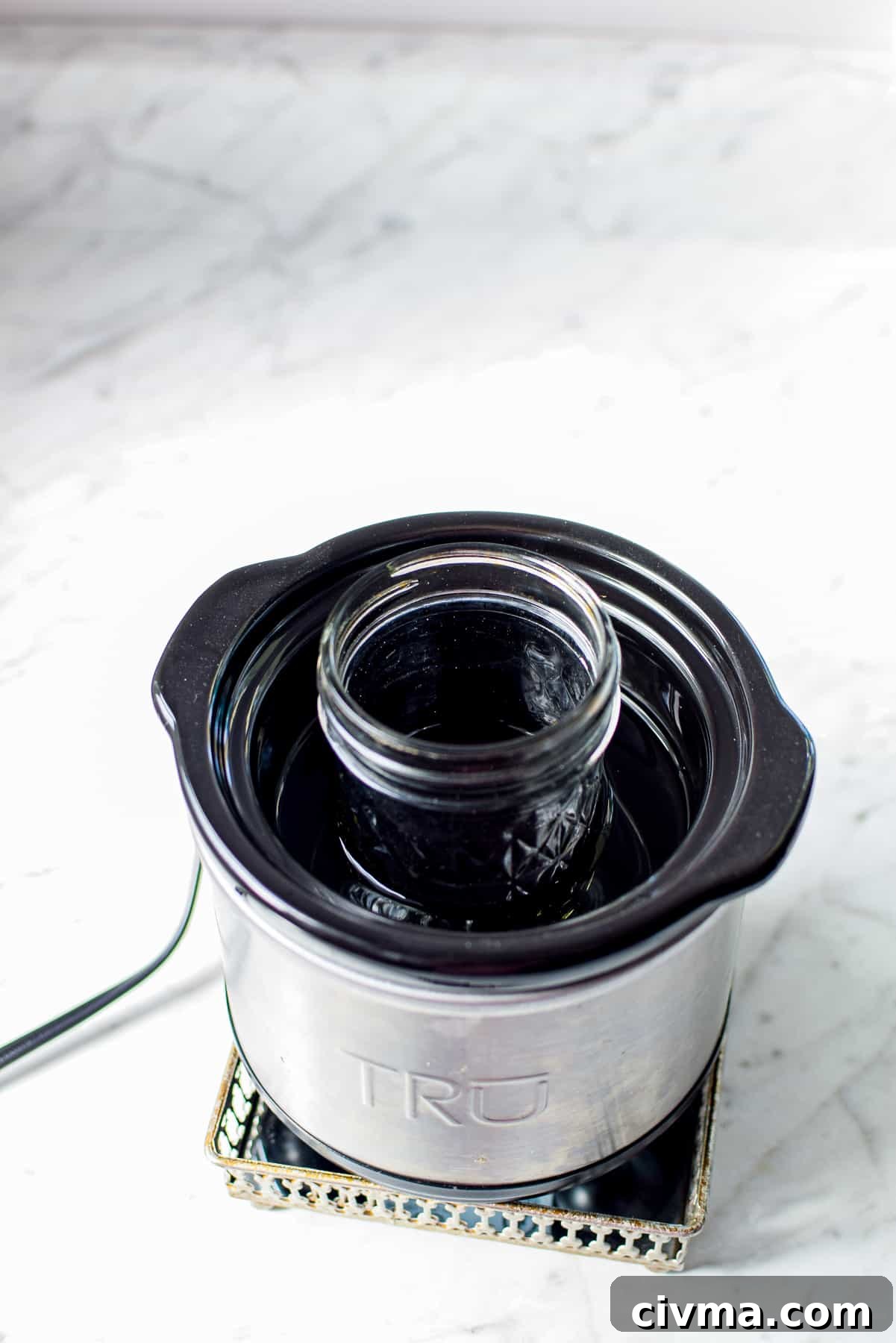
To speed up evaporation, use gentle heat without an open flame. A warm water bath is a common option. Place the jar of strained tincture into a small warming device or warm water bath, making sure the jar remains uncovered so alcohol can evaporate.
A low, steady temperature is preferred. Avoid boiling the tincture or overheating the extract. Keep the area ventilated, open windows if possible, and move air with a fan when appropriate.
What You’re Looking For
As the alcohol evaporates, the liquid volume will drop dramatically. This is normal. Once the alcohol is gone, you will be left with a small amount of dark, thick, sticky oil that resembles molasses or tar. This is your FECO.
Many beginners worry when they see how little oil remains, but that is expected. The process removes alcohol and excess plant material, leaving behind concentrated cannabis compounds. As a rough estimate, 1 cup of tincture may yield around 3 milliliters of FECO, though the actual amount can vary.
Step #4 – Prep for Storage
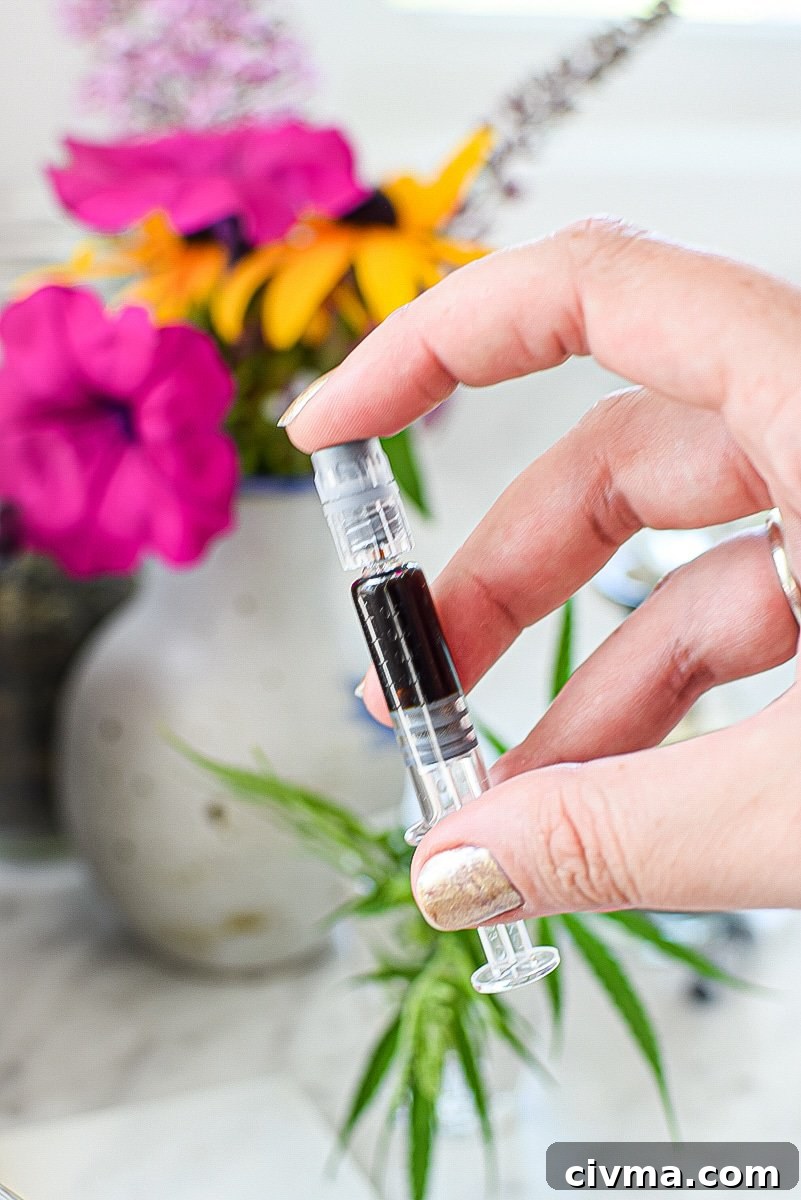
Once the FECO is finished, collect and store it carefully. FECO is sticky and can be difficult to handle, so it is best to work with it while it is still warm and more fluid.
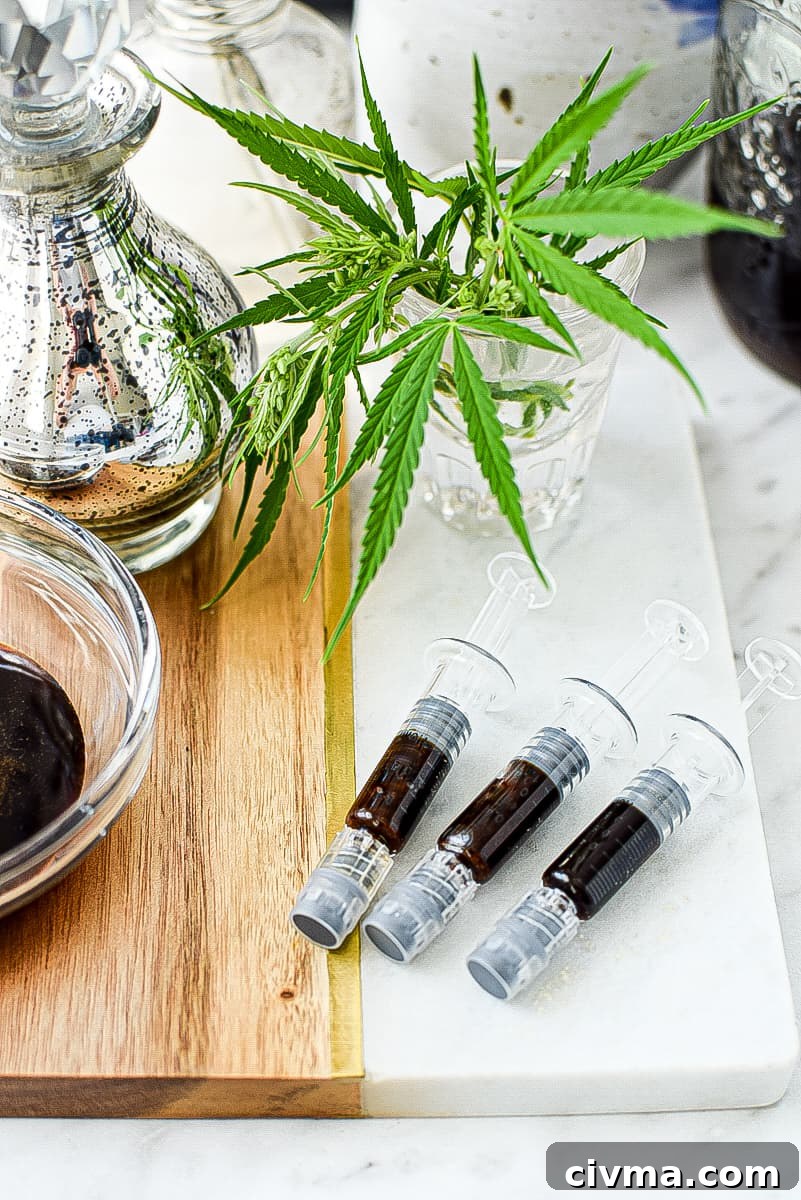
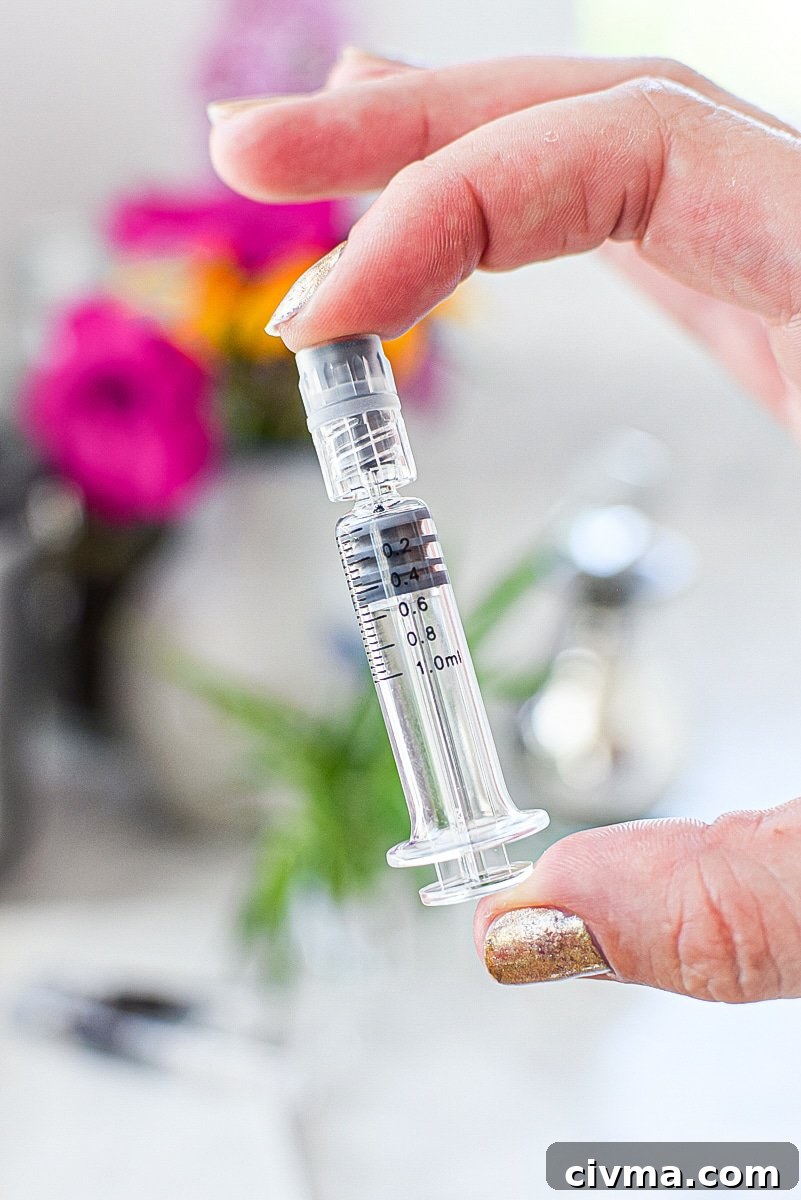
A small airtight glass container can be used, but glass syringes are especially helpful because they reduce mess and make it easier to measure small amounts. Properly made and stored FECO should last at least six months, and it may last longer when refrigerated.
If the oil is too thick to draw into a syringe, you can add a few drops of high-proof alcohol or a carrier oil to loosen it. Mix gently until the texture becomes easier to handle.
Mix with a Carrier Oil
Many people prefer to mix FECO with a carrier oil because the finished extract is so thick. MCT oil is a popular option because it stays liquid at room temperature. Olive oil, coconut oil, or butter may also be used depending on your intended recipe.
For a tincture-style oil, you can mix 1mL of FECO with 29mL of carrier oil to make a 30mL infusion. Gentle heat may help the FECO blend evenly with the oil. Do not use a microwave. Use a double boiler or another low-heat method instead.
Put into Capsules
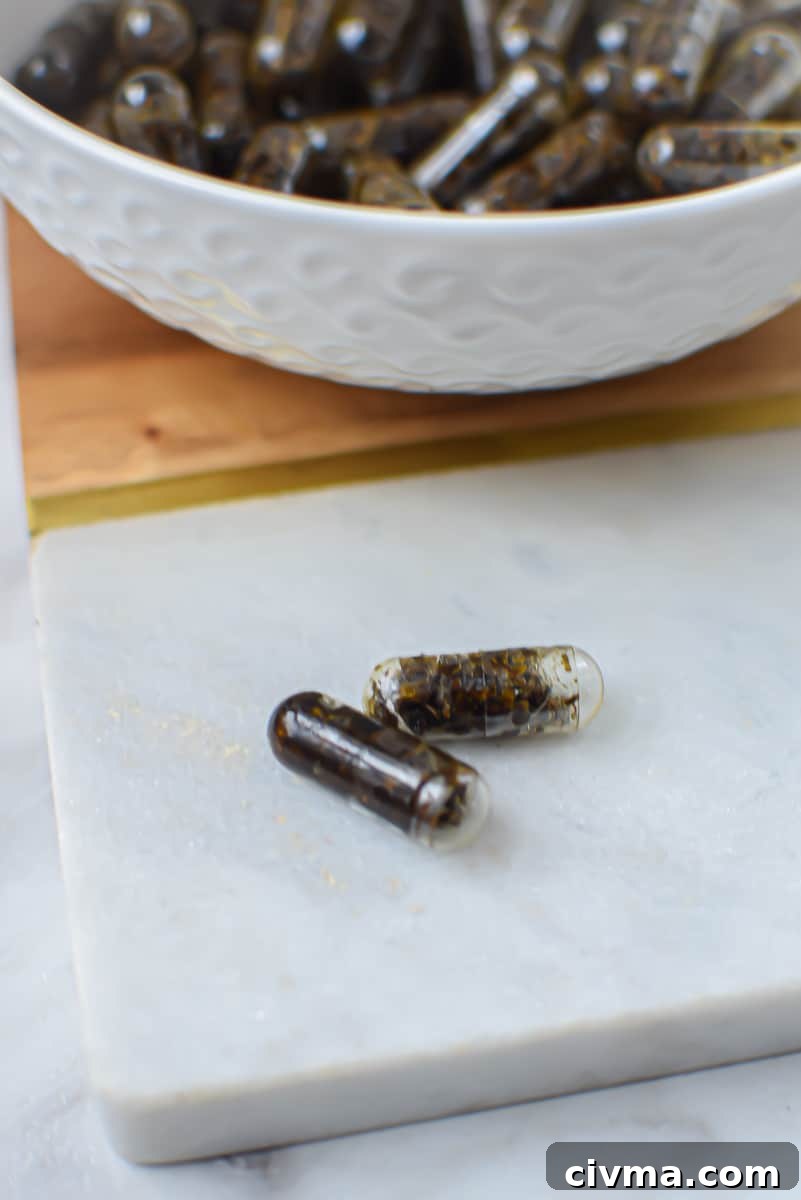
FECO can also be placed into capsules for easier use. Capsules may be swallowed, or in some cases used in other applications such as suppositories. Because FECO is potent, measure carefully and start with a very small amount.
Step #5 – Dose & Consume
FECO is very concentrated. Depending on how much cannabis you used, your final amount may be only a few milliliters, but the cannabinoids from the starting material are now concentrated into that small volume.
A common suggestion is to begin with a rice-grain-sized amount. Even that small amount may be strong, especially if the starting cannabis was high in THC. The best approach is to start low and go slow.
- Begin with a very small amount and wait long enough to understand how your body responds.
Taking too much FECO may cause unpleasant effects such as fatigue, anxiety, or hallucinations. If you weighed your cannabis before starting and know the approximate cannabinoid percentage, you can estimate potency more accurately with a dosage calculator.
Determine The Dose
For a more accurate estimate of potency, calculate your starting cannabis weight, cannabinoid percentage, and final oil volume. This will help you understand how strong each milliliter or dose may be.
How to Use FECO
Once prepared, FECO can be used in several ways. You can mix it into carrier oil for a tincture, blend it into homemade topical products, add it to edible recipes, or place it into capsules.
For edibles, remember that FECO is already concentrated and decarboxylated if you followed the steps above. Add only a measured amount to recipes and mix thoroughly for even distribution.
- FECO is not recommended for smoking, inhalation, or vaping.
Full-Extract Cannabis Oil (FECO)
Equipment
- Digital scale
- Mason jars
- Mini-warming crockpot or gentle water bath
- Coffee filter or cheesecloth
- Glass syringes or airtight glass storage container
Ingredients
- 14 grams cannabis or your desired amount
- 8 ounces high-proof grain alcohol use only enough to cover the cannabis
Instructions
-
Weigh and decarboxylate your cannabis according to its dominant cannabinoid.
-
Place the decarbed cannabis in a pint-sized mason jar. Grinding is not required.
-
Add only enough high-proof grain alcohol to fully cover the cannabis. Seal the jar and shake gently.
-
Store the jar in a cool, dark place for 24 hours to 30 days, depending on your preferred tincture method.
-
Strain the tincture through a coffee filter or cheesecloth into a clean glass jar, removing all plant material.
-
Place the strained tincture jar into a gentle water bath. Do not put a lid on the jar during evaporation.
-
Evaporate in a well-ventilated area, away from open flames, sparks, or gas stoves.
-
Allow the alcohol to evaporate until only a thick, dark, sticky oil remains. This is your FECO.
-
If the oil is too thick, add a few drops of alcohol or carrier oil and mix until easier to handle.
-
Store in a glass syringe, capsule, or airtight glass container in a cool, dark place. Dose carefully.
Notes
Alcohol: Use only high-proof food-grade grain alcohol. Do not use rubbing alcohol or isopropyl alcohol.
Soak times: Longer soak times may increase potency slightly but can also extract more chlorophyll and plant flavor.
Evaporation: Always evaporate alcohol safely, with ventilation and no open flame.
Additional Info
Frequently Asked Questions
Yes. To make CBD FECO, start with high-CBD cannabis flower. The process is the same, but the final oil will reflect the cannabinoid profile of the plant material used.
No. FECO is not recommended for smoking, inhalation, or vaping.
Yes. FECO can be mixed with carrier oils such as MCT oil, olive oil, coconut oil, or butter to create a more fluid cannabis oil.
No clinical evidence supports that claim. This guide only explains how to make FECO at home and does not present FECO as a cure for any disease.
Yes. Different cannabis strains can vary in THC, CBD, minor cannabinoids, and terpene profiles. These differences may influence the effects and strength of the finished FECO.
Yes, but the machine must be appropriate for the step you are completing. Some machines can help with alcohol evaporation and recovery, while standard oil infusion machines are not required for making an alcohol tincture.
More Guides You Will Love
Holistic Health
A Beginner’s Guide to Crafting Herbal Tinctures
Articles & How-To Guides
Tinctures vs. Edibles: The Major Difference
Articles & How-To Guides
How to Evaporate Alcohol From Tinctures
Cannabis Infusions & Extractions