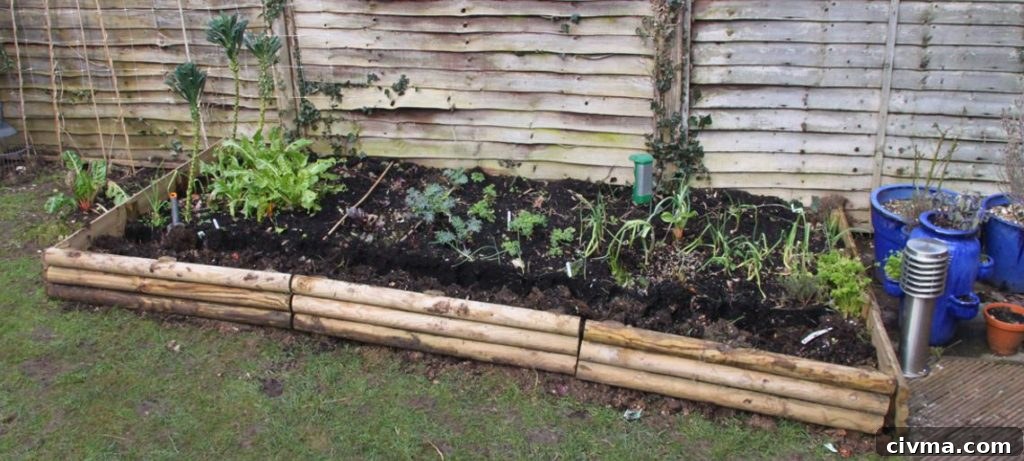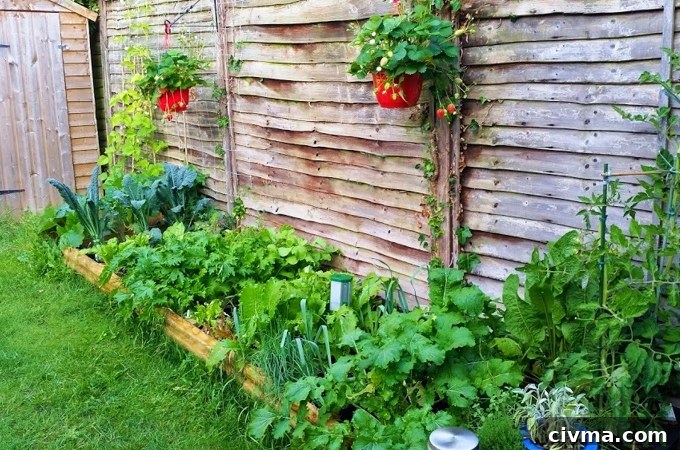
Expanding a vegetable patch is much the same as creating one from scratch. Whether you are turning a piece of lawn into your first productive growing space or making an existing vegetable garden larger, the basic steps are simple and rewarding. With a rake, a shovel, good soil, edging materials, and a little time, you can transform an unused area of grass into a practical vegetable patch ready for planting.
If you are new to growing vegetables, it is a good idea to start small. A compact vegetable patch is easier to manage, easier to water, and less overwhelming when you are learning what grows well in your garden. You can always expand later once you know how much space you need and how much produce you want to grow. Starting small also gives you the chance to observe the light, soil, drainage, and maintenance needs before committing to a larger area.
That is exactly how I began. After moving into our home, I started with a modest vegetable patch in the backyard because I was not yet sure how much we wanted to grow. Even a small garden bed produced a surprising amount of food, but over time we wanted more space so we could try different vegetables and grow larger quantities. Expanding the vegetable patch became the next natural step.
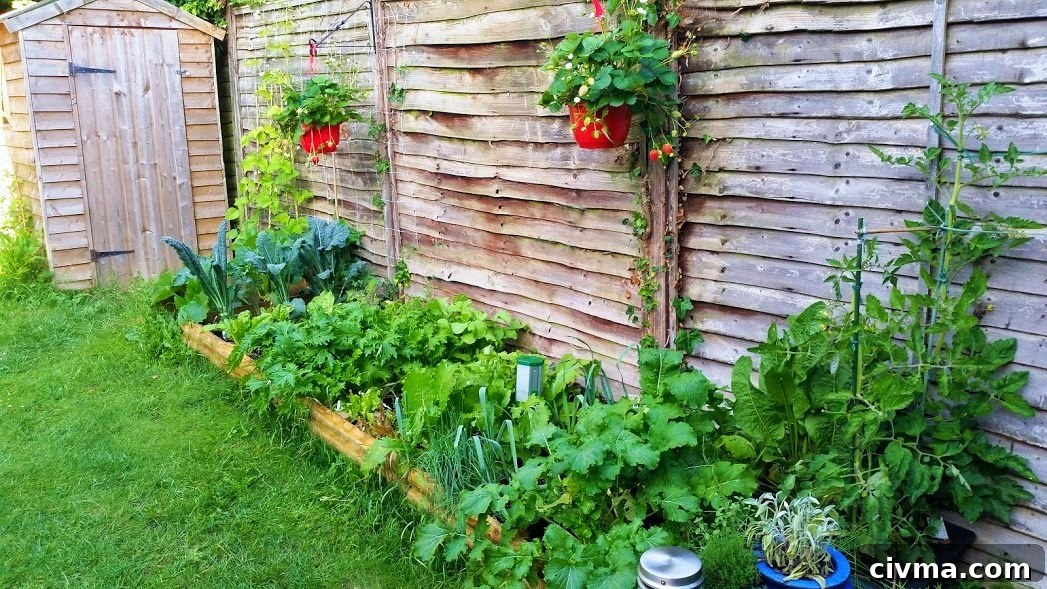
Plan the Vegetable Patch
Before you start digging, take time to plan where the vegetable patch should go. The most important factor is sunlight. Most vegetables grow best in a bright, sunny spot, so choose an area that receives as much direct sun as possible during the day. Soil can be improved with compost and organic matter, but a lack of sunlight is much harder to fix. If the area is too shady, your vegetables may grow slowly, become weak, or produce less than expected.
Once you have found a suitable location, mark out the shape and size of the new bed. You can use sticks, string, stones, or the edging materials you plan to install. Mapping it out first helps you see whether the vegetable patch fits naturally into the garden and whether you can easily reach all areas for planting, weeding, watering, and harvesting. Avoid making the bed so wide that you need to step into it, as walking on the soil can compact it and make it harder for roots to grow.
Prepare the Vegetable Patch
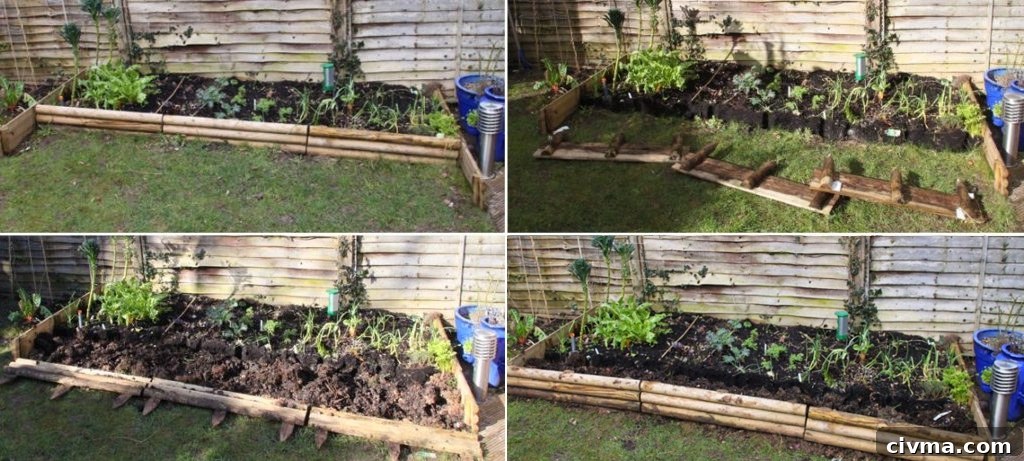
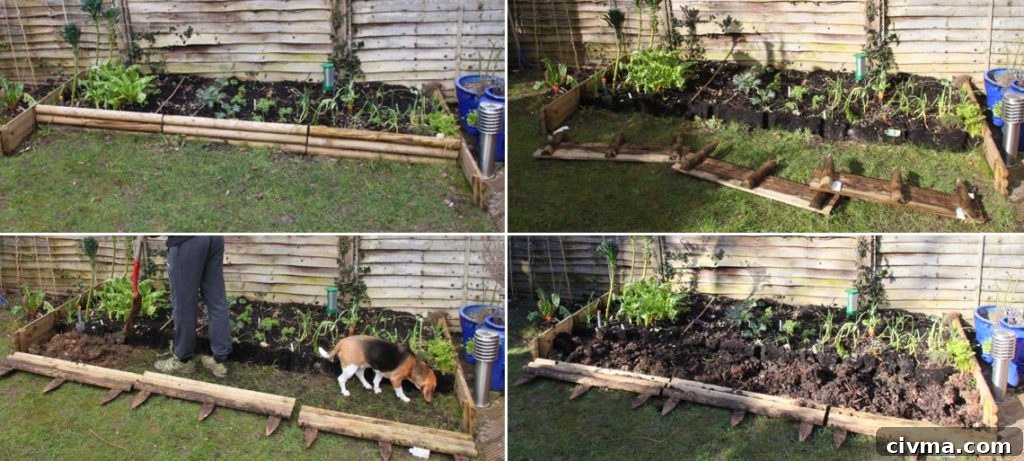
The next step is to remove as much grass as possible. Use a rake to work through the lawn vigorously and pull away loose grass, roots, and debris. The more grass you remove at this stage, the easier it will be to prevent it from growing back into your vegetable bed. This part can take some effort, but it makes a big difference later.
After clearing the surface, use a shovel to turn over the soil. Dig as deeply as you can manage, breaking up compacted earth and loosening the ground. Deep, loose soil allows vegetable roots to spread more easily and helps water drain through the bed instead of sitting on the surface. Remove any large clumps of grass, stones, or roots as you go.
When the soil has been turned, place your borders or edging around the vegetable patch. Edging helps keep the soil in place and creates a clear separation between the lawn and the growing area. You can use stones, bricks, metal, or wood, depending on the style of your garden and what materials you have available. Natural materials can blend beautifully into a garden setting and give the vegetable patch a simple, practical look.
Once the border is in place, add fresh soil or compost. If you have a compost bin, you can use your own homemade compost to enrich the bed. Otherwise, a good all-purpose compost from a garden centre can be spread over the freshly turned soil. Work it into the top layer so it mixes with the existing earth. This improves soil structure, adds nutrients, and creates a healthier environment for young plants.
Get Planting
Now comes the most enjoyable part: choosing what to plant in your vegetable garden. If you are a beginner, start with reliable crops that are easy to manage. Herbs are a great choice because they do not require much space and can be harvested regularly. Leafy greens such as lettuce, kale, and chard are also beginner-friendly and grow well in many home gardens. Leeks and strawberries are good options too, especially if you want to add variety to the patch.
Think about what you actually enjoy eating before you plant. A vegetable patch is most rewarding when it produces food you will use in your kitchen. You can grow a mix of quick crops and longer-season plants, or keep things simple with just a few favourites. As you gain confidence, you can experiment with new varieties and expand the garden further if needed.
After planting, keep the soil evenly moist while young plants settle in. Check the bed regularly for weeds, especially in the first few weeks after converting lawn into a vegetable patch. Any remaining grass roots may try to regrow, so removing them early will save work later. With regular care, your new or expanded vegetable patch will soon become a productive part of the garden.
Turning lawn into a vegetable patch does take some effort, but the process is straightforward. Choose a sunny spot, clear the grass, loosen the soil, add borders, enrich the bed with compost, and plant vegetables you love. Whether you are starting your first small growing space or expanding an existing one, these simple steps can help you create a healthy and useful vegetable garden.