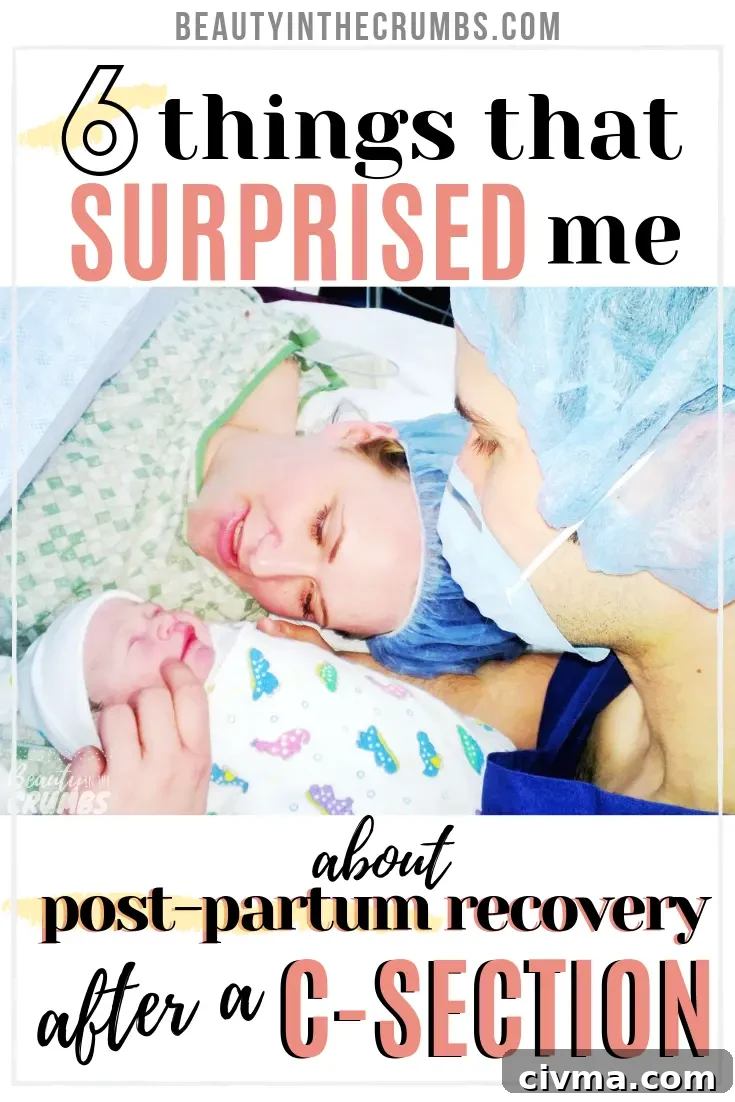
And tips to help you recover faster!
Postpartum recovery after a cesarean birth brings some surprises that differ from recovering after a vaginal delivery. Here are practical tips to help you feel more comfortable and recover more quickly after a c-section.
I had planned for a natural birth with my firstborn son
I read everything I could about postpartum care for vaginal births and thought I was prepared. I had padsicles and sprays at the ready. Then at 35 weeks my baby turned breech, and two days later I was headed into a cesarean. Most of those two days were spent on logistics at home, not researching c-section recovery. That left me surprised by several things in the early weeks after surgery.
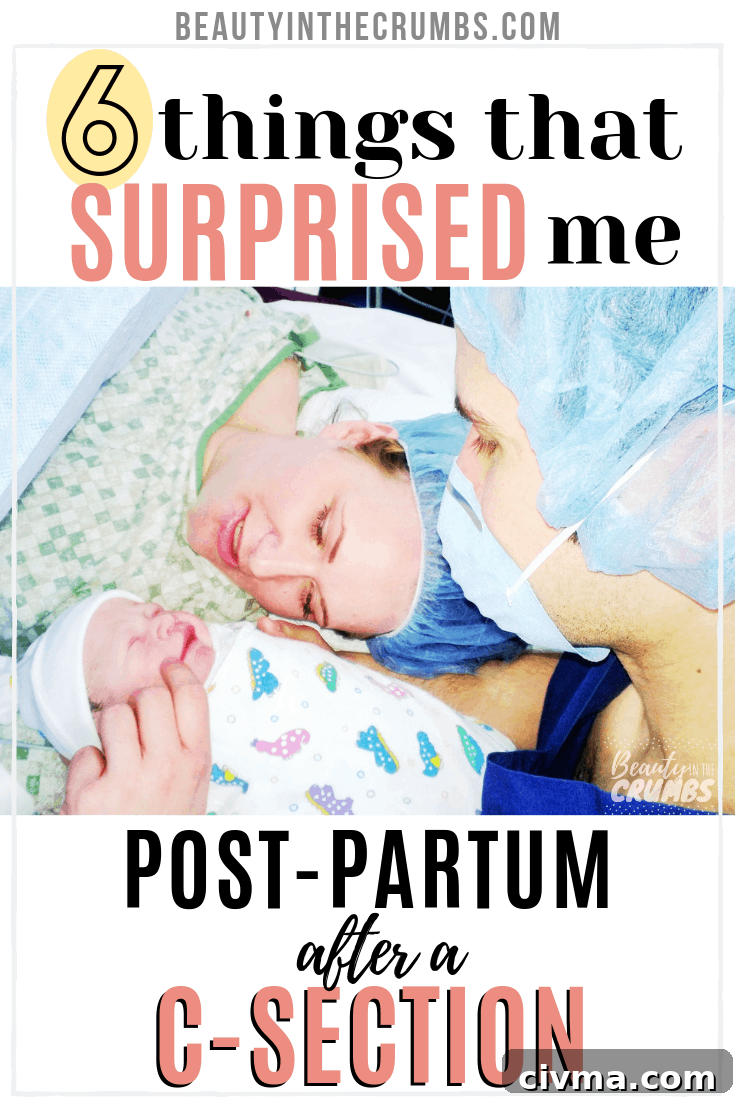
After my first c-section I learned a lot the hard way. By my second c-section I knew what truly helped recovery. Below are six practical things I wish I had known before my first cesarean, which will be useful whether you’re preparing for a planned c-section or unexpectedly need one.
Trigger warning: there is some candid postpartum detail below. If that’s uncomfortable for you, skip ahead.
Related post: 7 Must-have Items for Post-Partum Care
Here are the six things I wish I knew before having my first c-section:
1. You will still have heavy postpartum vaginal bleeding
Contrary to what I assumed, a cesarean doesn’t eliminate postpartum bleeding. Your body will still shed the uterine lining, and you can expect heavy bleeding for the first 48 hours and continued lochia for several weeks. Hospitals provide large pads for the initial period; at home many people prefer thinner, longer overnight-style pads to feel less bulky while still managing flow. Plan for plenty of pads and comfortable clothing that won’t rub your incision.
2. Expect a “muffin top” or baby pooch above the incision
It’s common to have a bulge or “muffin top” near the incision after a c-section. The skin and muscles need time to settle; for many people this soft area improves over months. A supportive belly band or abdominal binder can help reduce discomfort and support healing, especially during the first weeks when you’re moving around and coughing. Don’t rush back into heavy exercise—give your body time to rebuild strength.
3. The incision will itch and can develop ingrown hairs
As the incision heals it will scab and itch—that’s normal but annoying. Hair at the pubic hairline can also become trapped as swelling goes down, creating ingrown hairs that sting. Gentle topical relief (aloe vera or a mild healing gel) can soothe itching. If hairs become ingrown, use clean tweezers or a personal electric shaver carefully to tidy the area once your provider clears you. If you notice signs of infection—increasing redness, drainage, fever—contact your care team.
4. Sitz baths help even after a c-section
Sitz baths are often recommended after vaginal births, but they can be very soothing after a cesarean too because you’ll still have bleeding and perineal discomfort. Take a shallow warm soak—2–4 inches of water—making sure the incision stays dry and above the waterline. Limit soak time, rinse in the shower afterward if needed, and keep a towel over your shoulders to stay warm while you relax.
5. Regular underwear may irritate your incision—use mesh or high-waist styles
Normal underwear can rub or press on the incision. Many hospitals provide mesh disposable underwear that accommodates pads and reduces pressure on the incision—wearing these for the first few weeks is very comfortable. A soft, high-waisted brief or maternity-style underwear that sits above the incision can also help. Keep a few extra pairs on hand so you can change when needed without stress.
Extra tip: if the incision bleeds a bit in the first days, placing a pad horizontally over the incision and securing it with mesh underwear can act as a light barrier and provide comfort.
6. Laughing, coughing, sneezing and bowel movements will hurt at first
Your abdominal muscles are involved in everyday actions you don’t always notice. Laughing, coughing, sneezing, and passing gas will pull on your incision area and cause discomfort. Support your abdomen with a pillow or your hands when you cough or sneeze, and use a warm rice pack or heating pad for muscle comfort. Cold packs can reduce swelling for some people; choose what feels best and check with your provider if you have questions about heat or ice on or near the incision.
Postpartum recovery can be messy and unpredictable, and recovering from a c-section adds the extra dimension of surgical healing. With planning—comfortable supplies, support at home, and realistic expectations—you’ll make steady progress. Allow yourself patience and help as you recover from this major surgery and adjust to life with your new baby.
Have you had a c-section? Leave your tips for recovery in the comments below!