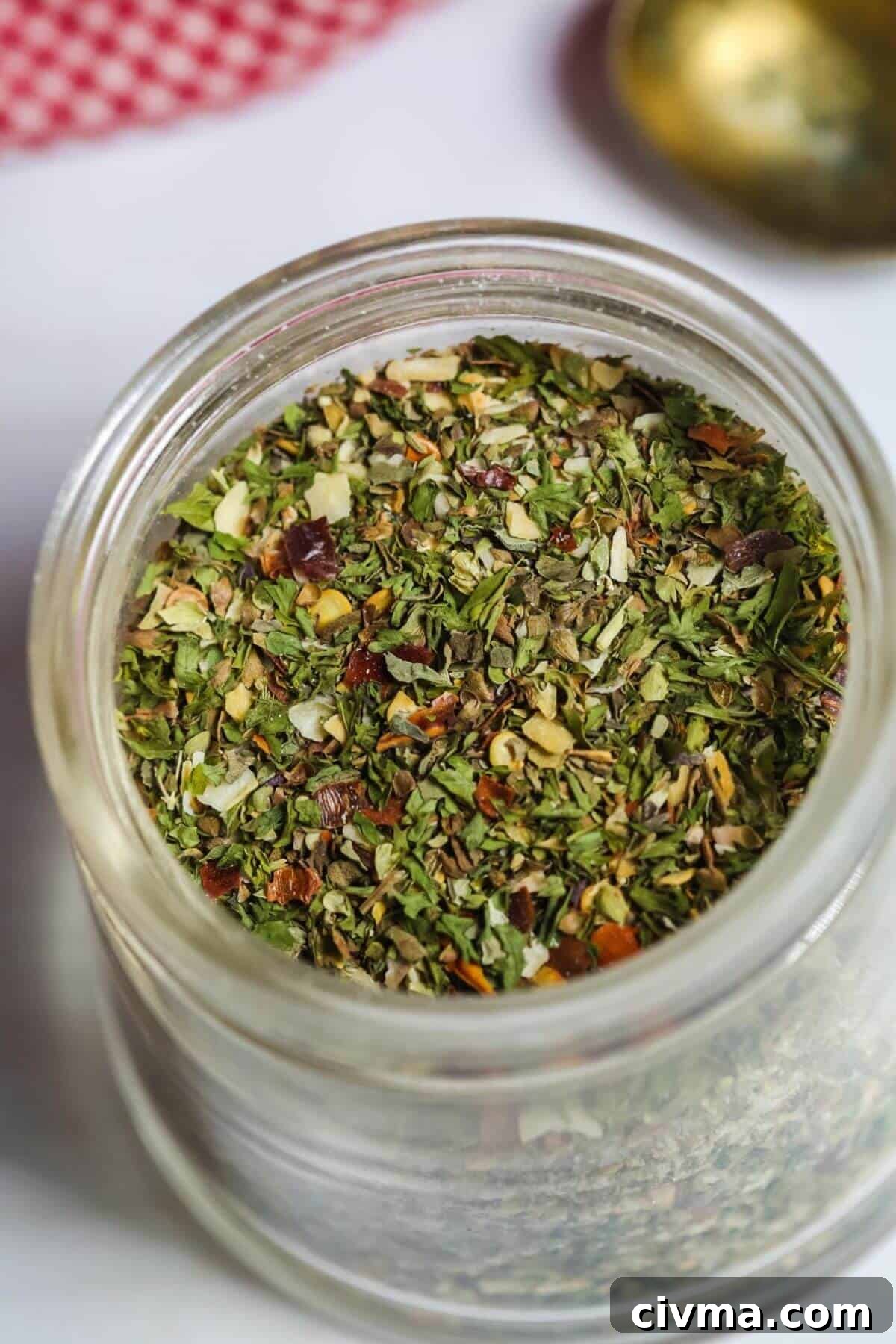
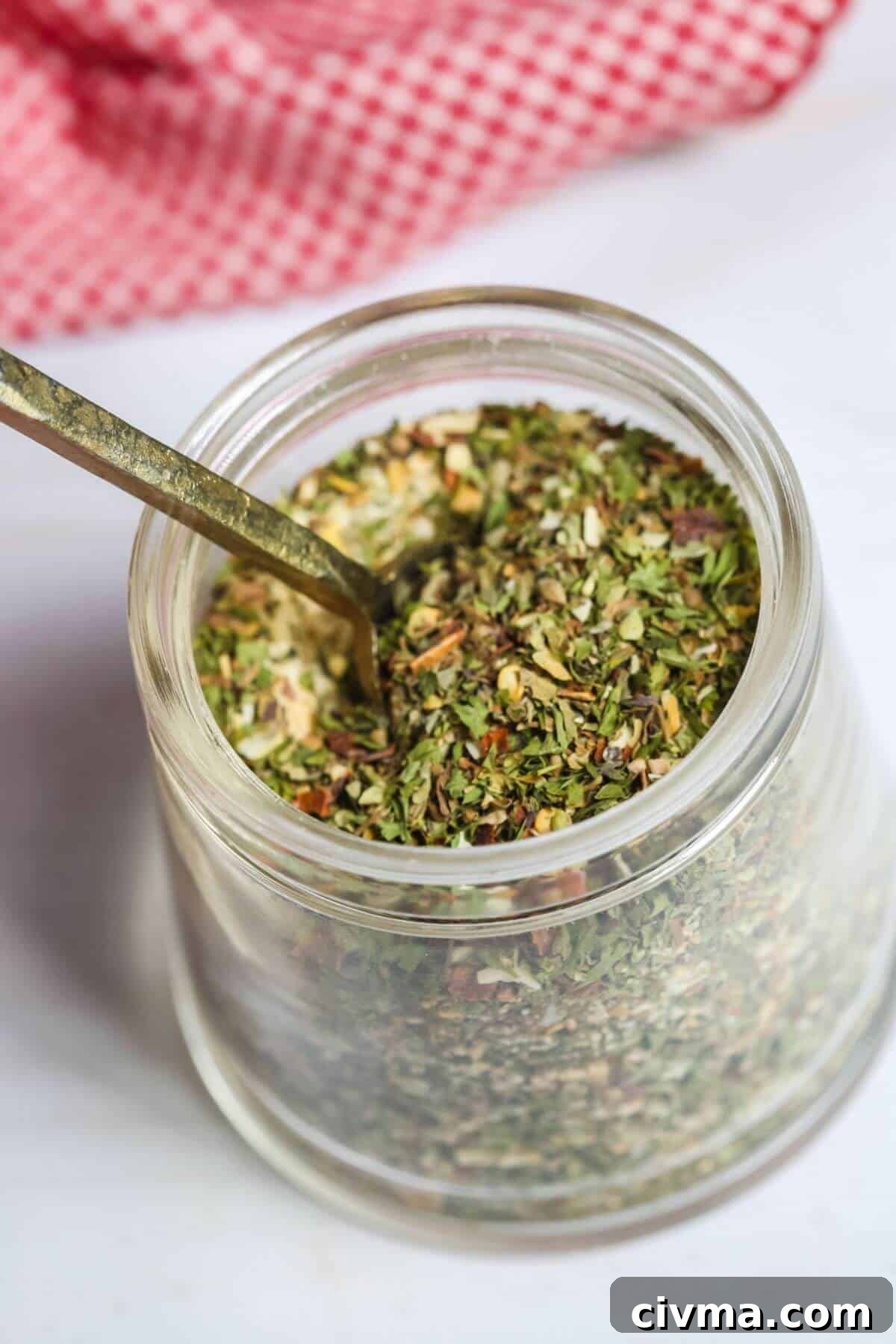
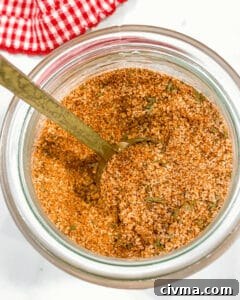
My Spaghetti Seasoning is an easy way to add bold, classic flavor to your spaghetti night. This homemade blend takes about 5 minutes to make and uses just a handful of pantry staples. It tastes fresher and more vibrant than most store-bought mixes, and I like to keep a jar ready so it’s available whenever I’m making sauce.
I prefer making my own seasoning blends so I can control the ingredients and salt level. If you enjoy homemade mixes, you might also like my garlic herb seasoning or fajita mix recipes.
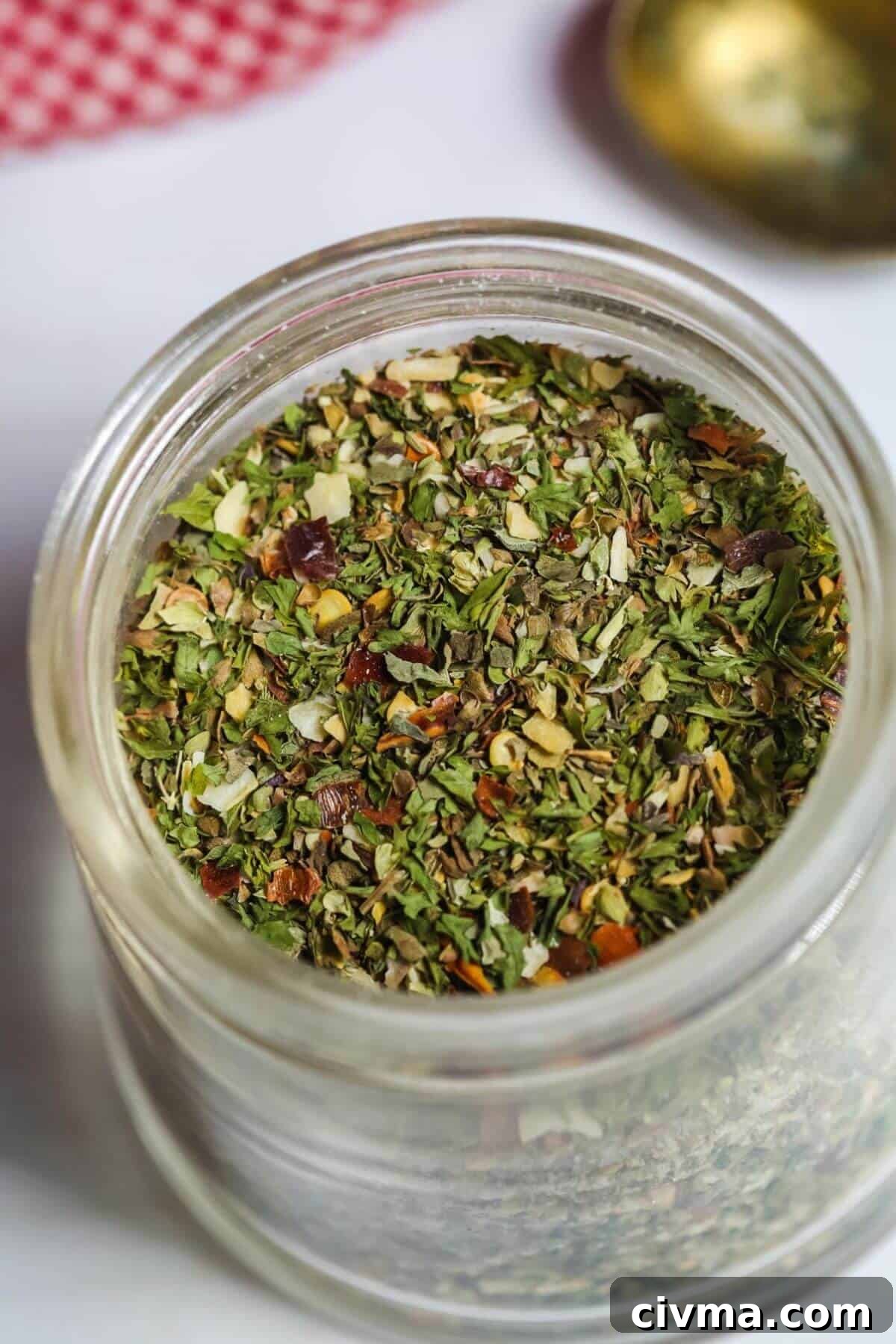
Why This Spaghetti Seasoning Is a Keeper
This simple, homemade spice blend brightens any tomato-based sauce and makes it effortless to achieve a familiar Italian-American flavor. Add a spoonful to plain tomato sauce to turn an ordinary pasta night into something special.
- Instant flavor boost: A balanced combination of dried herbs and spices gives your sauce an immediate flavor lift.
- Convenience: Having a prepared blend saves time — no measuring each spice every time you cook.
- Versatile: Use the mix in pizza sauce, chili, soups, meatballs, as a rub for meats, or to season roasted vegetables.
- Customizable: Adjust herb ratios, reduce salt, or increase heat to match your family’s taste.
- Cost-effective: Making your own seasoning from bulk spices is often cheaper than buying premade mixes or heavily seasoned sauces.
- Clean ingredients: You control what goes in — no unwanted additives or preservatives.
How Much Spaghetti Seasoning to Use
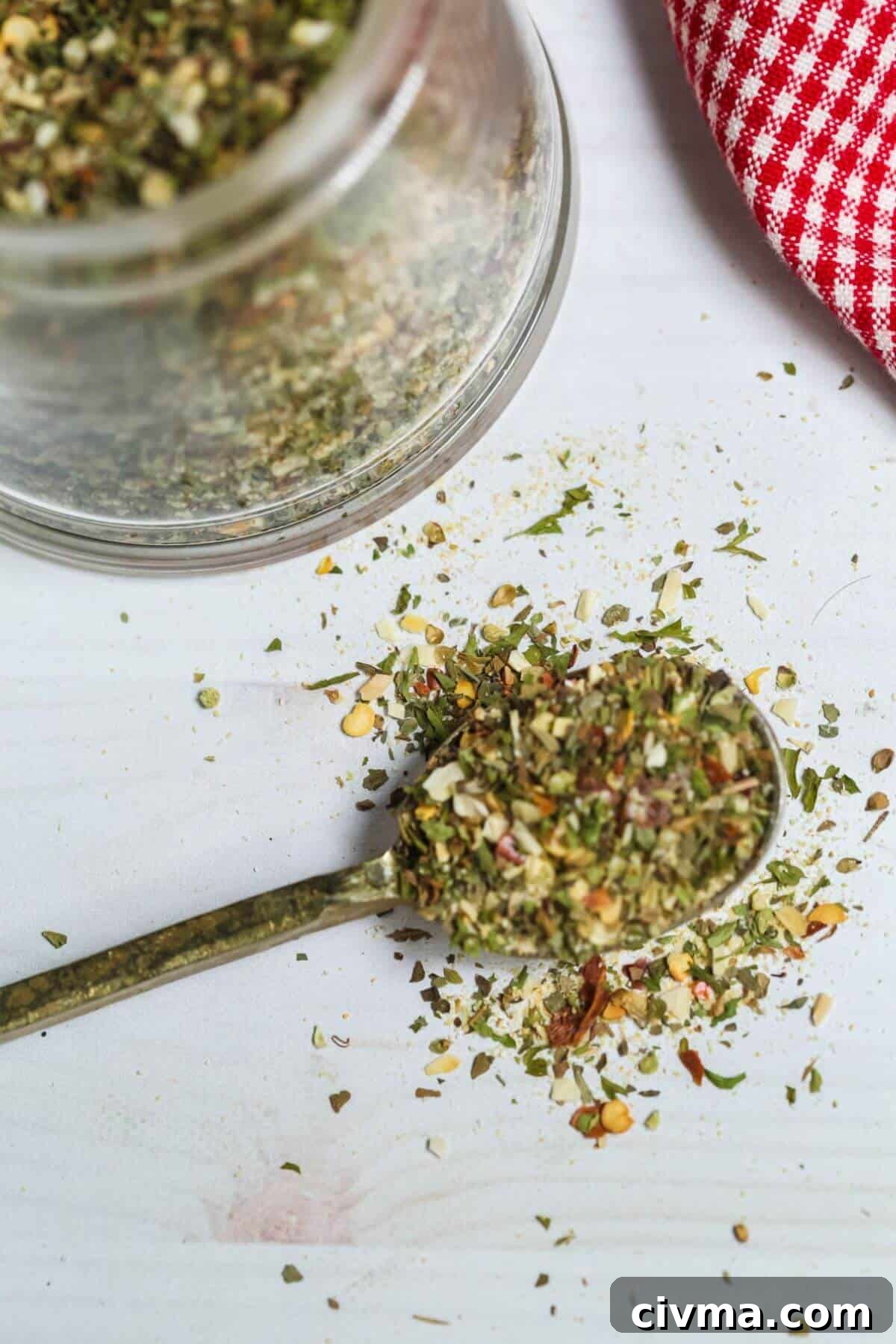
A good starting point is about one tablespoon of seasoning per pot of sauce (roughly for 4–6 servings). Adjust up or down depending on how pronounced you want the flavor. If you reduce the sauce, taste and add seasoning gradually.
Ingredient Notes and Variation Suggestions
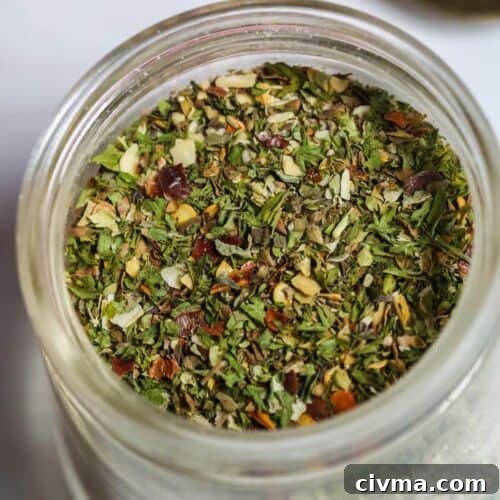
This blend is similar to a classic Italian seasoning and is made from common pantry spices. It’s easy to tweak based on preference.
Printable recipe measurements and the full card are available in the recipe card below.
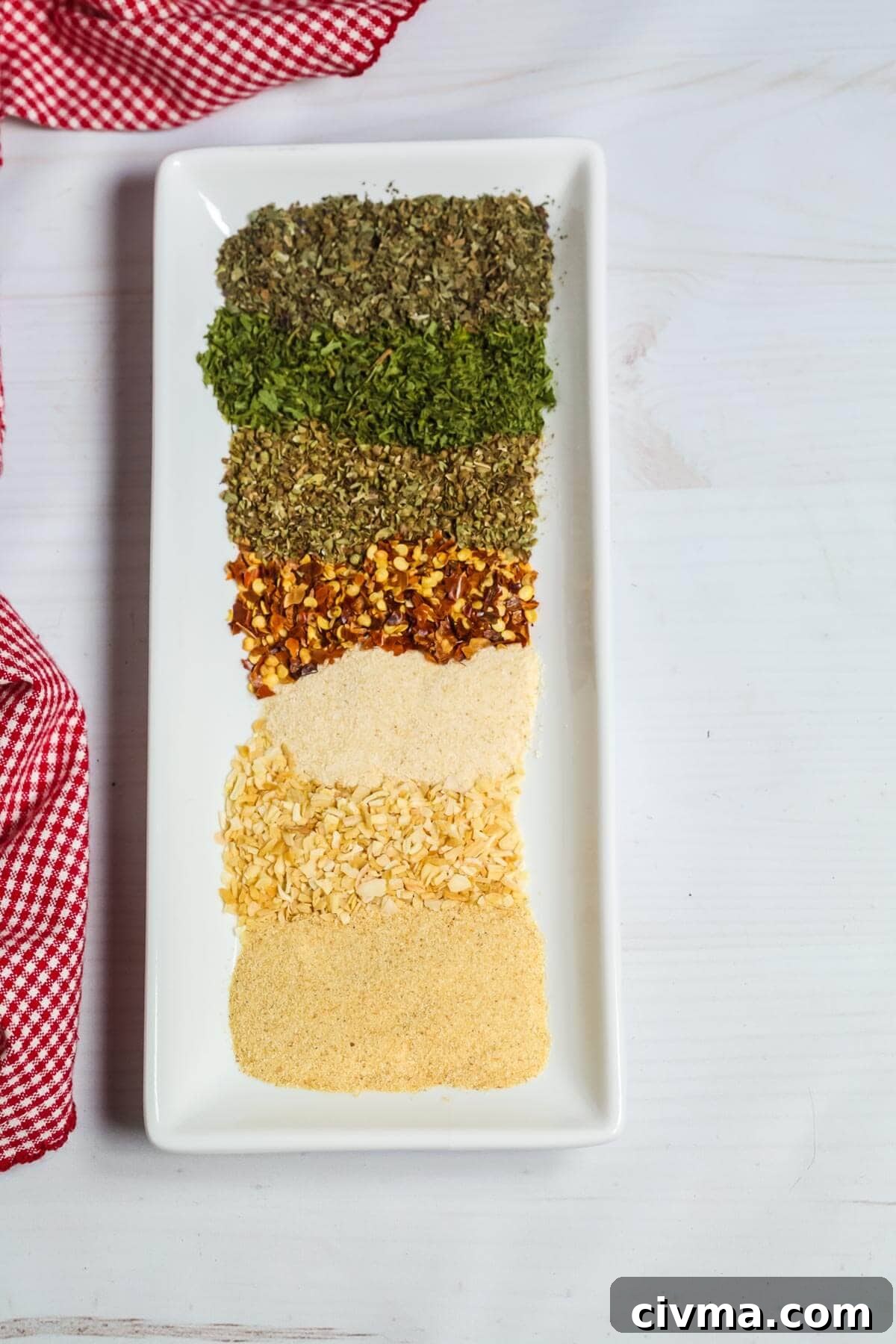
- Crushed red pepper: Adds heat — increase if you like a spicy sauce.
- Garlic and onion powder: Provide savory depth; use powdered forms for convenience.
- Sugar: A tiny pinch helps balance tomato acidity when needed.
- Salt: Omit or reduce in the blend and season the sauce to taste to avoid over-salting.
- Nutritional yeast (optional): Gives a cheesy, umami quality — great for vegan sauces.
- Smoked paprika: Adds a subtle smoky note that works well with meat sauces.
How to Make Homemade Spaghetti Seasoning
There is just one straightforward step to prepare this seasoning, making it a great pantry staple for quick weeknight meals. It pairs well with meat sauces made from ground beef or Italian sausage.
See the recipe card below for exact measurements and serving information.
- Combine: Place dried oregano, dried basil, dried parsley, garlic powder, onion powder, minced onion and crushed red pepper flakes in a small bowl and stir until evenly mixed.
- Store: Transfer the blend to an airtight jar or container and label with the date.
Prep-Ahead Suggestions
Making the seasoning in advance is very helpful — it saves time and enhances flavor as the herbs marry over a few days.
- Make a batch: Mix and store in a sealed jar. The blend keeps well and is ready to use whenever you cook.
- Infused oil (optional): Warm a little olive oil with a portion of the seasoning to bloom the spices, cool and strain. Use this oil to start your sauce for an extra layer of flavor.
Storage and Using Leftover Seasoning
- Storing: Keep the seasoning in an airtight container in a cool, dark pantry. It will stay flavorful for up to six months, though it’s best within three months for peak aroma.
- Using leftovers: Use the mix in lasagna, meatball casseroles, roasted vegetables, or to season ground meat before adding to sauce.
Frequently Asked Questions
Stored in an airtight container away from heat and light, this seasoning keeps its best flavor for about 3–6 months.
Add the blend early in the cooking process so the flavors can meld as the sauce simmers. Taste and adjust toward the end.
You can, but fresh herbs are best added near the end of cooking for bright flavor. If substituting fresh for dried in the blend, use roughly three times the amount of fresh herbs.
Expert Tips for Making and Using the Mix
- Make extra: Double the batch so you always have seasoning on hand.
- Simmer low and slow: Let sauces simmer at low heat for at least 30 minutes for deeper flavor.
- Taste as you go: Adjust salt, pepper, and heat to suit your palate.
- Start with aromatics: Sauté onions, garlic, and other vegetables first — they form a flavorful base.
- Add fat: A splash of olive oil or a small pat of butter enriches the sauce’s texture.
- Bay leaf: Simmering a bay leaf gives subtle complexity — remove before serving.
- Balance acidity: If the sauce is too sharp, a pinch of sugar or a tiny bit of baking soda can help; add sparingly and taste.
- Use in bolognese: This blend works well in meat-based sauces; simmer with crushed tomatoes, tomato paste, and ground meat for a hearty bolognese.
More Recipes You Might Like
Meatloaf Seasoning
Pizza Seasoning
Porketta Seasoning
Best Burger Seasoning
Spaghetti Seasoning
A quick, flavorful seasoning that lifts tomato-based sauces. Ready in five minutes using simple pantry herbs and spices.
Equipment
- Measuring spoons
- Small bowl
- Airtight container or jar
Ingredients
- 3 tablespoons dried oregano
- 2 tablespoons dried basil
- 2 tablespoons dried parsley
- 1 tablespoon garlic powder
- 1 tablespoon onion powder
- 1 tablespoon minced onion
- 2 teaspoons crushed red pepper flakes (adjust to taste)
Instructions
- Combine all ingredients in a small bowl and mix thoroughly.
- Transfer the blend to an airtight container. Label and store in a cool, dark place.
- Use about 1 tablespoon per pot of sauce, adjusting to taste.
Notes
- Double the recipe to make a larger batch for frequent use.
- For deeper flavor, sauté a portion of the seasoning in olive oil with onions and garlic before adding tomatoes.
- If the sauce tastes overly acidic, a pinch of sugar can help balance it.
- Fresh herbs may be added at the end of cooking for brightness; substitute 3 times the volume of fresh for dried.
Nutrition (per serving, approximate)
Calories: 15 kcal • Carbs: 3 g • Protein: 1 g • Fat: 1 g • Sodium: 10 mg