Most parents are excellent at prevention. We tighten car-seat straps, check seat belts, toss snacks in a bag, and keep wipes within arm’s reach. Those preparations matter—but it’s equally important to plan for what happens when something goes wrong.
Road emergencies arrive without warning: a driver drifts into your lane, someone clips your bumper and drives off, or your kid asks a dozen questions while your heart races. In those moments you’re expected to be calm, organized, and decisive. A simple “just in case” plan won’t fix everything, but a few smart habits can make a stressful situation far less chaotic.
Why Every Parent Needs a Road Emergency Plan
You can drive carefully and still get caught in someone else’s mistake. Sharing the road with tired or distracted drivers is part of the reality. When children are in the car, the stakes feel higher—what is minor to an adult can feel enormous to a child who asks, “Are we safe?”
The goal in those first minutes isn’t perfection. It’s steadiness. A road emergency plan acts like a shortcut for your brain: you know where your insurance card is, you have a way to keep kids buckled while you assess the situation, and you’ve saved important numbers so you don’t have to search for them while your hands tremble.
There’s a financial side to consider as well. Even a quick ER visit, a tow, or a short stint without your car can add up. Planning ahead reduces surprise costs and stress when you’re already dealing with adrenaline and logistics.
Step 1: What to Do Immediately After an Accident
Start by taking a single deep breath. Your nervous system sets the tone for the whole car, and your kids will follow your lead.
Check for injuries right away—yourself first, then everyone else. If anyone feels pain, dizziness, confusion, or “not right,” seek medical help. Adrenaline can mask symptoms.
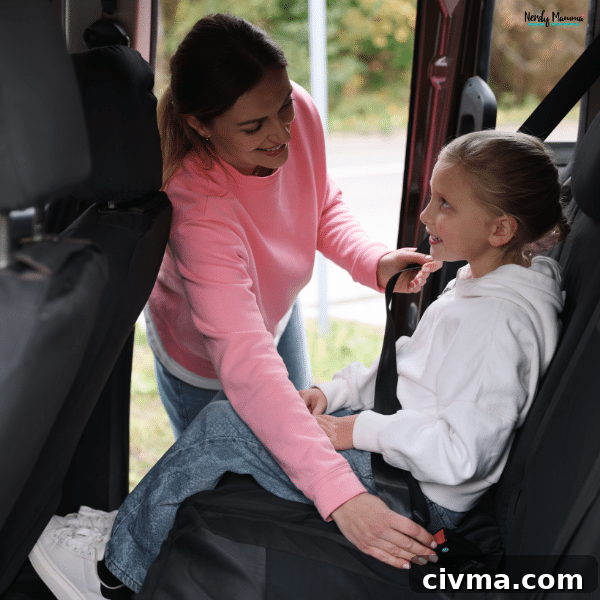
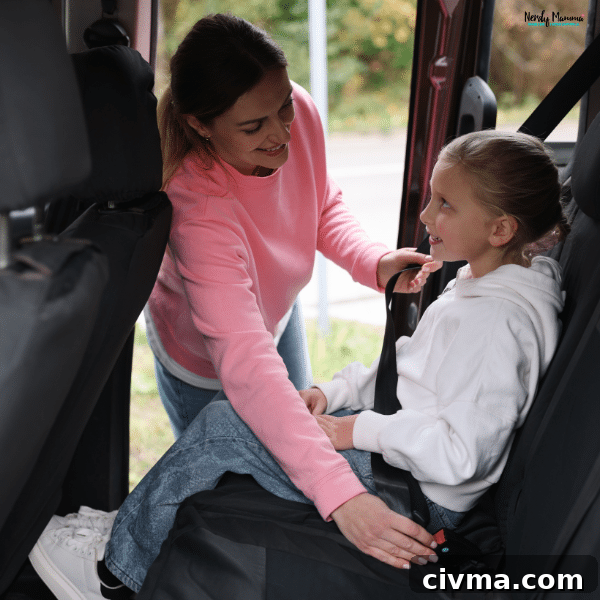
If your vehicle is in a dangerous spot and it’s safe to move, pull over and turn on hazard lights. Keep children buckled until you’re sure it’s safe to exit. Avoid swinging doors into traffic or chaotic movement near passing cars.
Call the police to create an official report. While you wait, photograph both vehicles, license plates, the surrounding area, and any damage, skid marks, or debris. If the other driver is present, exchange contact and insurance details. Finally, write down what you remember as soon as you can—details fade quickly after the shock subsides.
When the Other Driver Leaves the Scene
A hit-and-run feels particularly upsetting because there’s no exchange of information. If the other driver flees, call the police immediately. A police report is essential when someone leaves the scene.
Report everything you remember—even partial details like vehicle color, make, part of a license plate, or the direction the car went. Ask any witnesses for contact information. Photograph the scene from multiple angles, capture nearby signs, and note any security cameras that might have recorded the incident. Early documentation reduces reliance on memory later.
Claims after a hit-and-run often involve uninsured motorist coverage and can require additional paperwork. If injuries are involved or the claim becomes complex, some families seek legal guidance to ensure their rights are protected and the process moves forward fairly.
Protecting Your Family Financially After a Road Emergency
Once the initial adrenaline fades, the administrative work begins: medical follow-ups, repair estimates, phone calls, forms, and more phone calls. Pull out your auto policy and review the key sections: uninsured and underinsured motorist coverage, medical payments coverage, and your deductible. Those details shape how expenses are handled.
If any part of your policy is unclear, ask your insurer to explain it in plain terms. Keep organized records—save bills, receipts, towing invoices, repair quotes, and notes from conversations with adjusters. A single folder, whether digital or physical, makes follow-up far simpler and prevents a frustrating scavenger hunt for documents.
Creating Your “Just in Case” Road Kit
Your road kit doesn’t need to be elaborate—just practical. Include these basics:
- Printed insurance card and vehicle registration in a waterproof sleeve
- Notepad and pen for names, phone numbers, and notes
- Phone charger or portable battery
Add safety items:
- Flashlight
- Reflective triangles or a safety vest
- Basic first-aid kit
For younger kids, pack a calm-down item: a familiar snack, a small toy, or a comfort item that can buy a few minutes of peace while you manage paperwork and calls. Save essential numbers in your phone under clear labels—roadside assistance, your insurance company, and a trusted family member—so they are quick to find when you’re stressed.

Turning a Scary Moment Into a Teachable One
Children notice not only what happens, but how adults respond. Your calm tone, steady instructions, and patience teach them how to react in future stressful situations.
When things have settled, explain what happened in age-appropriate language. Start with reassurance, then give a simple outline: accidents can happen, we follow steps to stay safe, and we stay together. Reinforce a few basic rules that matter in any car emergency:
- Stay buckled until an adult says it’s okay
- Keep voices calm
- Follow instructions
Some kids recover quickly; others may feel uneasy about riding in the car for a while. Watch for clinginess, trouble sleeping, or changes in behavior. Keep routines consistent and give them time to feel secure again.
Small Steps You Can Take Today
You don’t need to overhaul your life—just take a few practical actions that stick. Read your auto policy and note the parts that matter most. Save a digital copy of your insurance card and registration, and keep a printed backup in the glove box. Create a simple accident folder where you can drop phone photos, receipts, and notes.
If you want extra financial stability, consider reviewing emergency savings, understanding potential out-of-pocket costs, and thinking through how a short-term loss of income might affect your household. Have a calm, brief conversation with your kids now—something like, “If we ever stop after an accident, stay buckled and wait for me.” That single instruction is enough to keep them safe and make your job easier.
Why Location Matters After a Hit-and-Run
Where an accident occurs can change the reporting process, insurance timelines, and how claims move forward. States and local jurisdictions have different practices and workloads, so response times and documentation requests can vary. In busy urban areas, heavier traffic and higher claim volumes can affect the pace of investigations and the way insurers handle cases. In rural counties, procedures and turnaround times may be different.
Knowing local procedures—or working with someone experienced in your area—can make the process less confusing when you’re already stressed. Local knowledge helps you understand timelines, common practices, and what to expect from insurers or authorities.
A Plan You Hope You Never Need
Most days are ordinary—carpools, errands, and background music. That ordinary life is exactly why “just in case” planning often gets postponed. Yet a little preparation pays off when the unexpected happens. Knowing who to call, what to document, and where your information is stored takes the edge off a scary moment.
Take an hour this week to set up the basics. If you never need the plan, that’s a relief. If you do, you’ll be grateful it’s already in place.