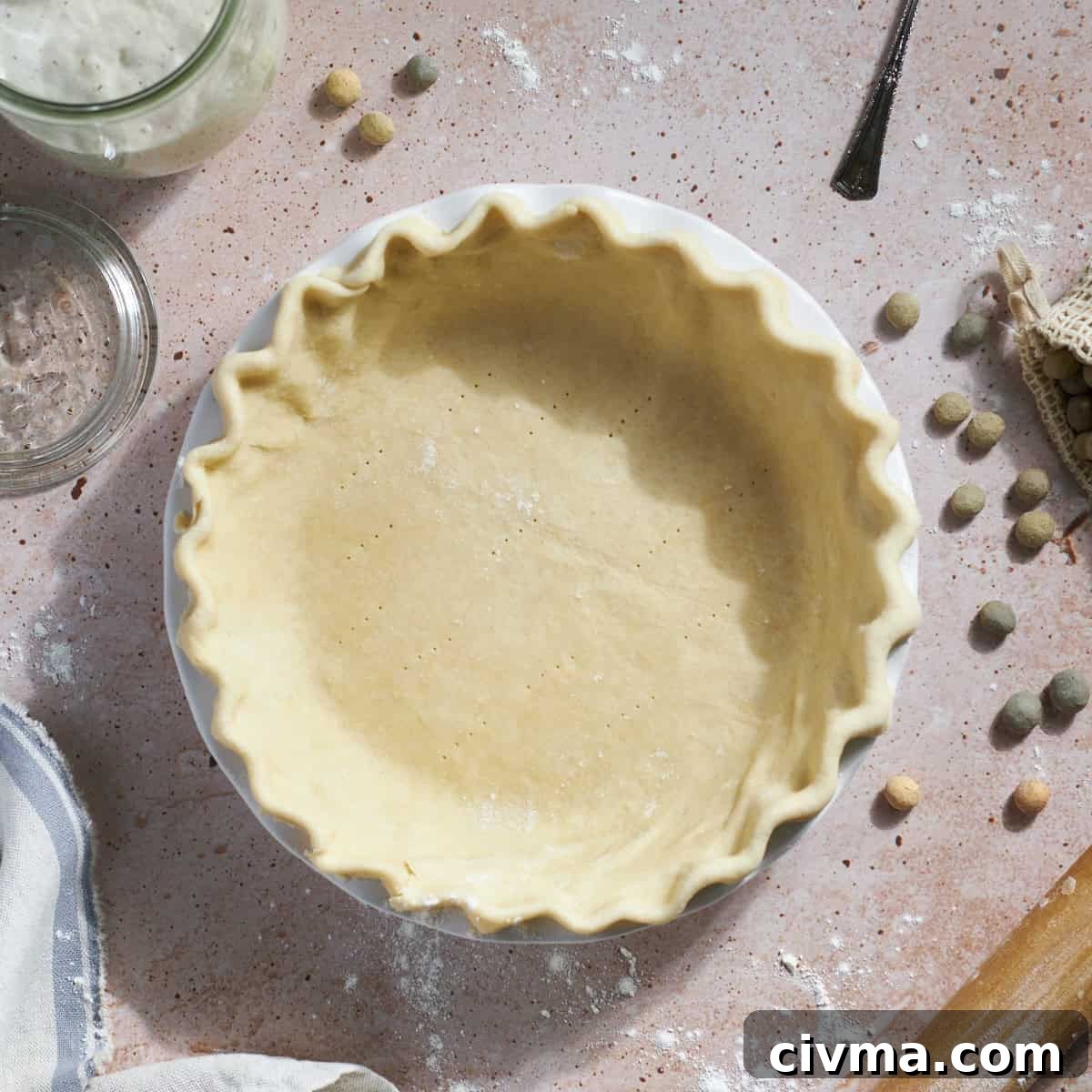
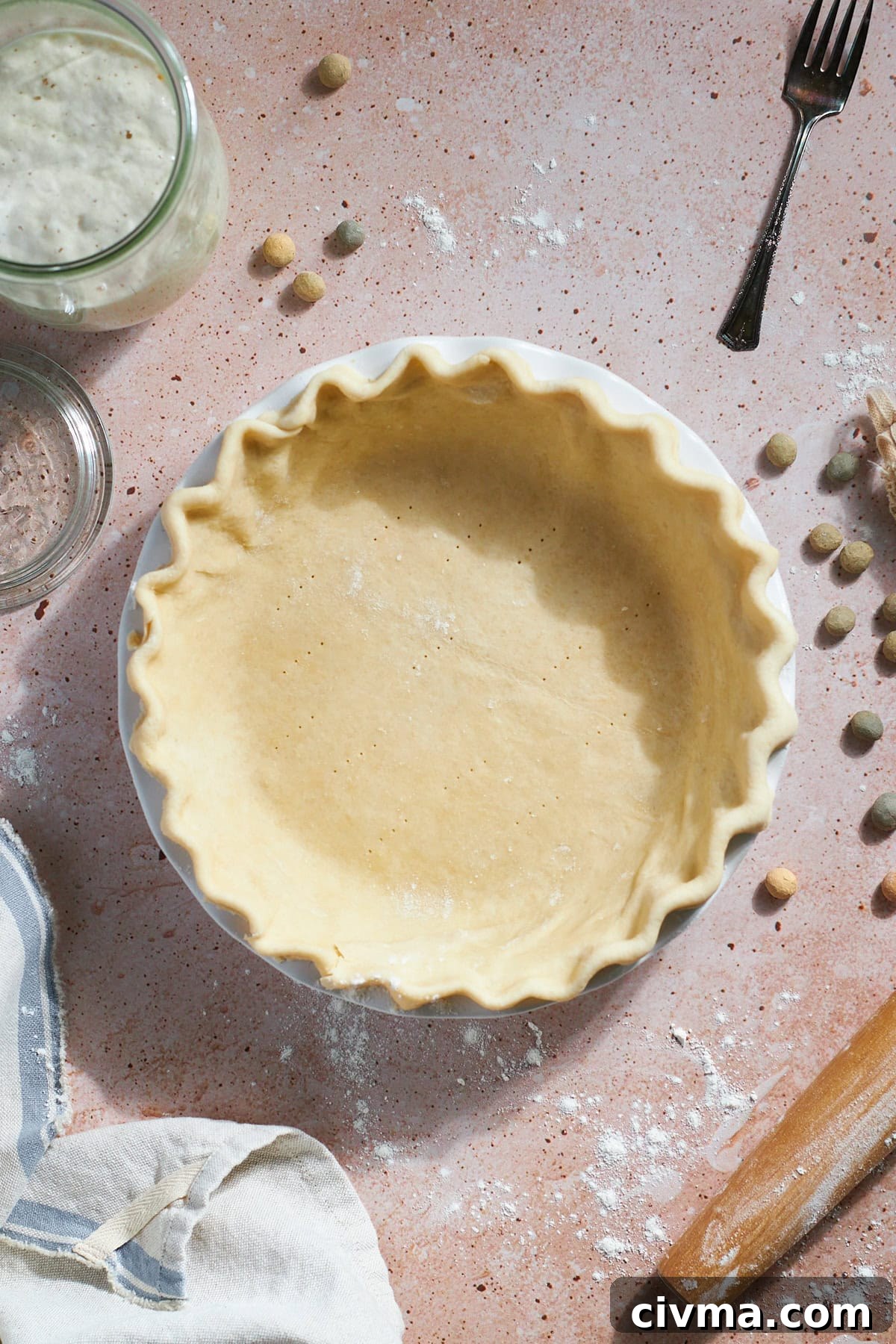
Sourdough Discard Pie Crust is a simple, flavorful way to turn leftover sourdough discard into a buttery, flaky pie crust. The discard adds a gentle sourdough note without making the crust taste overly tangy, and the dough works beautifully with sweet or savory fillings. Use this recipe for pies, galettes, hand pies, pop tarts, or any dessert that needs a reliable homemade crust.
Why you’ll love this recipe
- This sourdough discard pie crust can be used for par-baking, blind baking, double-crust pies, galettes, hand pies, and more.
- It bakes into a buttery, flaky, tender crust that pairs well with fruit fillings, custards, cream pies, and savory fillings.
- You can make it with cold sourdough discard or active sourdough starter, so it is flexible and easy to fit into your baking schedule.
- The dough can be made ahead and stored in the refrigerator for 2-3 days or frozen for up to 3 months.
- It is a practical sourdough discard recipe when you want to avoid waste and create a dependable base for homemade desserts.
I had never thought of using sourdough discard in pie dough before, so I was curious to try it. The dough came together easily and baked up crisp, light, and flaky. It also had a lovely sourdough aroma while it was in the oven.
– Nancy
Ingredients
You only need a short list of ingredients to make this sourdough discard pie crust. For the flakiest result, keep everything as cold as possible before mixing.
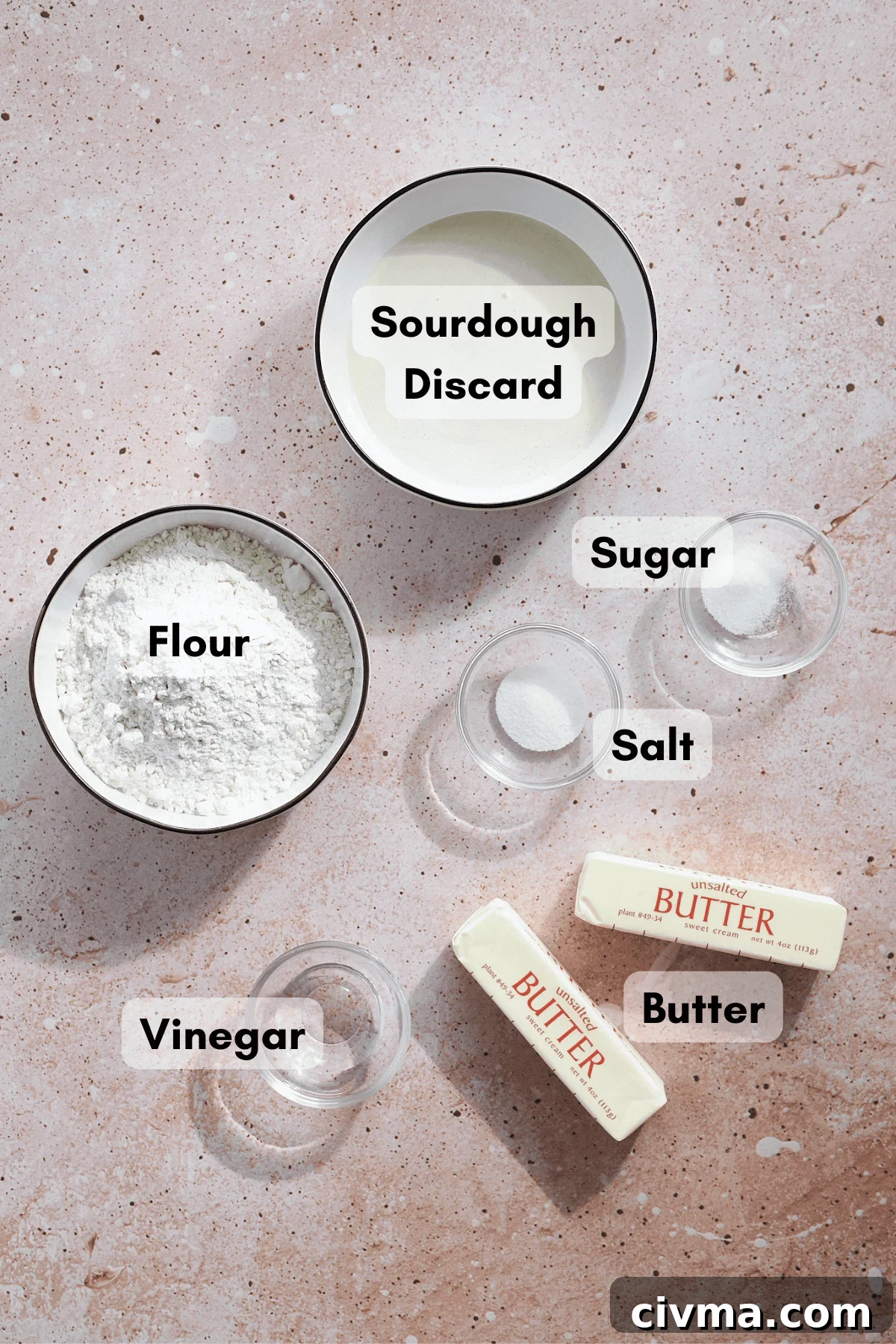
- Butter: Use very cold unsalted butter. Cut it into small cubes straight from the refrigerator, then chill or freeze the cubes for at least 15 minutes before adding them to the flour. Cold butter creates steam pockets as the crust bakes, which helps produce flaky layers.
- Sourdough discard: Use unfed sourdough discard that is cold from the refrigerator. This recipe is written for a 1:1 sourdough starter, meaning the starter is fed with equal parts flour and water. If your starter has a different hydration level, the dough texture may vary slightly.
- Vinegar: Distilled white vinegar helps keep the dough tender. Apple cider vinegar can also be used if you prefer a slightly different flavor.
- Flour, salt, and sugar: All-purpose flour forms the base of the dough, salt balances the flavor, and a small amount of sugar adds just enough sweetness without turning the crust into a sweet pastry.
See the full recipe card below for exact measurements and step-by-step instructions.
Substitutions & Variations
Pie crust is a foundational recipe, so the best variations are small and practical. These swaps keep the dough dependable while allowing for a little flexibility.
- Use active sourdough starter: Active starter can be used instead of discard. Replace the sourdough discard with 200 grams of active starter and keep the rest of the recipe the same.
- Use apple cider vinegar: Swap the distilled white vinegar for apple cider vinegar if you like its subtle flavor.
- Egg wash substitute: If your final pie recipe calls for an egg wash but you do not bake with eggs, brush the crust with milk or non-dairy milk. You can also skip the wash entirely.
- Use it for sweet or savory recipes: This crust works well with fruit pies, custard pies, galettes, pop tarts, hand pies, and savory pastries such as empanadas.
How to Make Sourdough Discard Pie Crust
The key to a flaky sourdough discard pie crust is working quickly and keeping the dough cold. Avoid kneading, and stop mixing as soon as the dough comes together.
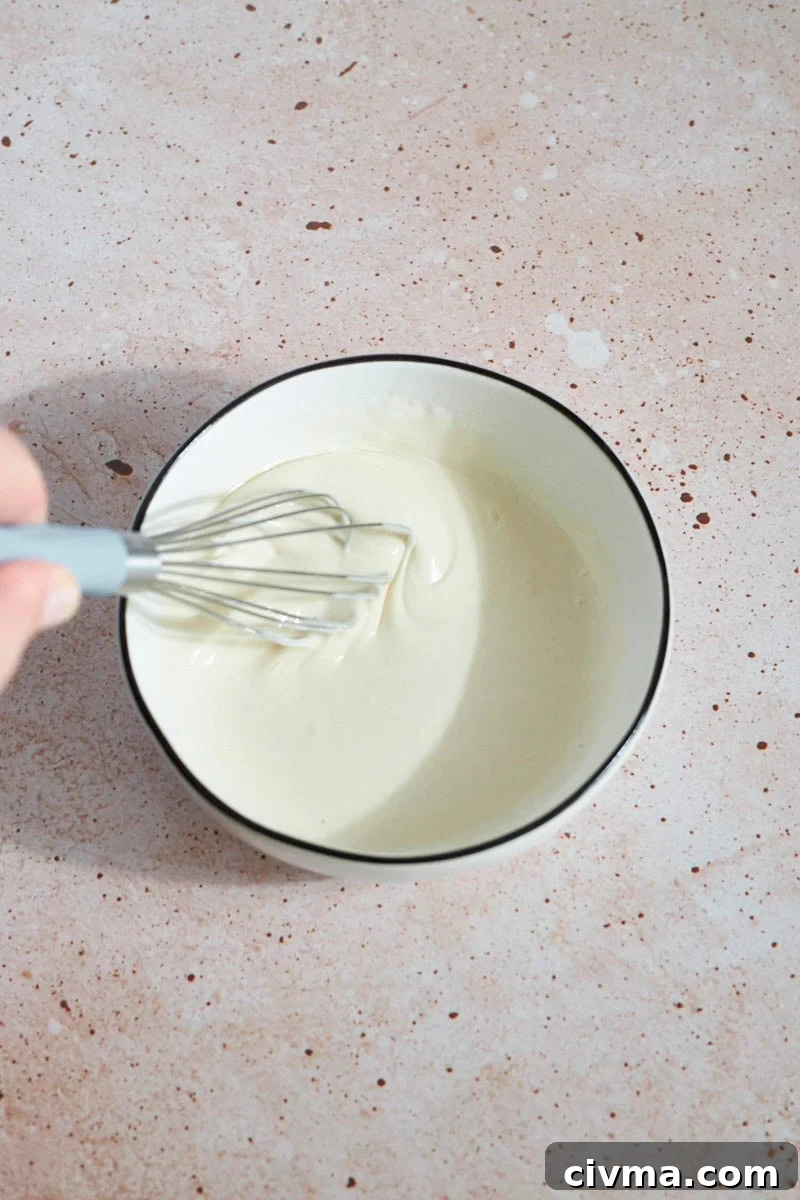
- Step 1: Stir the sourdough discard and vinegar together in a small bowl until smooth. Place the mixture in the refrigerator until needed.
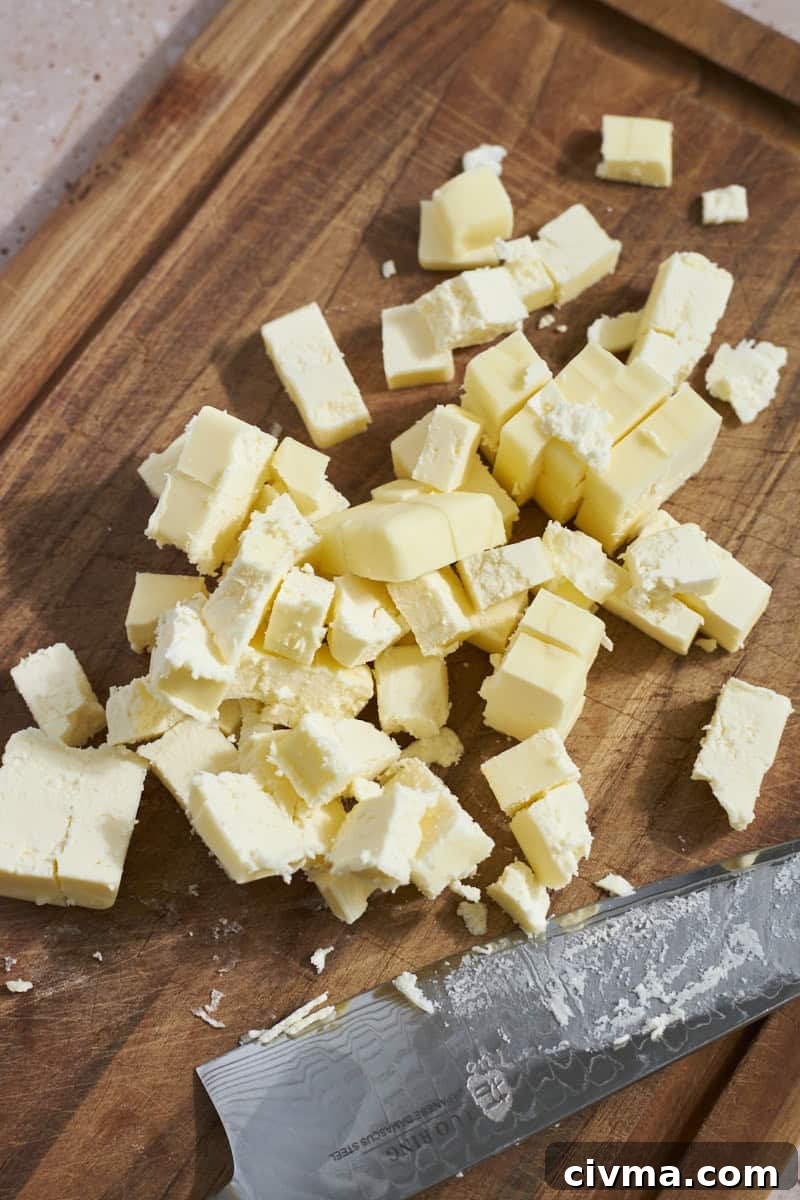
- Step 2: Cut the cold butter into small cubes. Return it to the refrigerator or freezer while you prepare the dry ingredients.
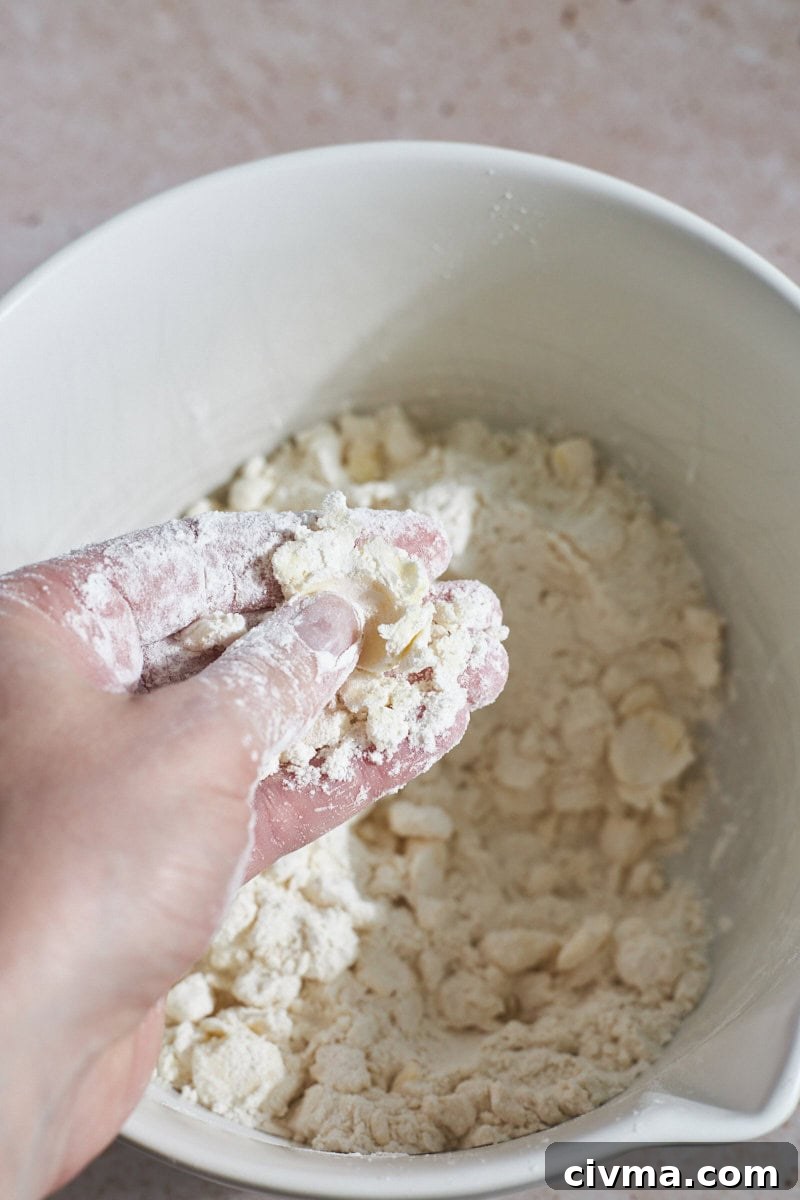
- Step 3: Whisk the dry ingredients together, then add the chilled butter. Use your hands, a pastry cutter, or a fork to work the butter into the flour until the mixture is coarse and the butter pieces are about pea-sized.
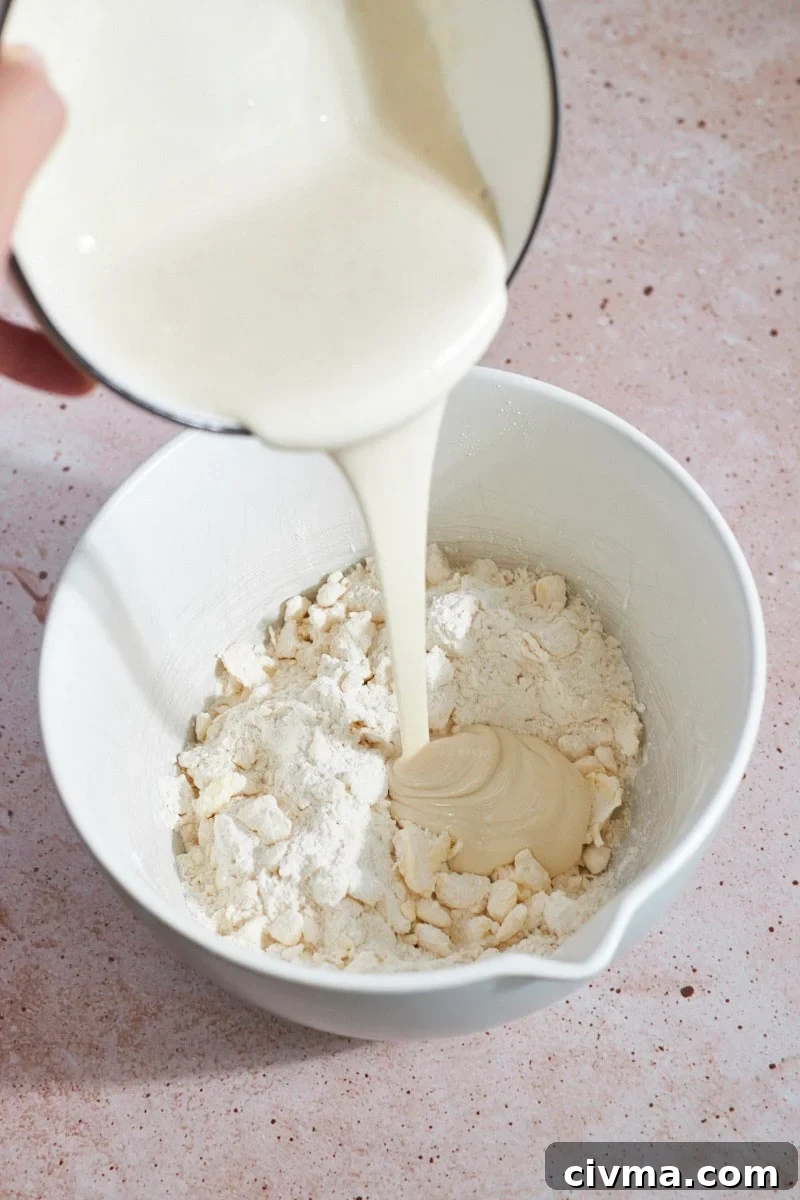
- Step 4: Pour in the chilled sourdough discard mixture.
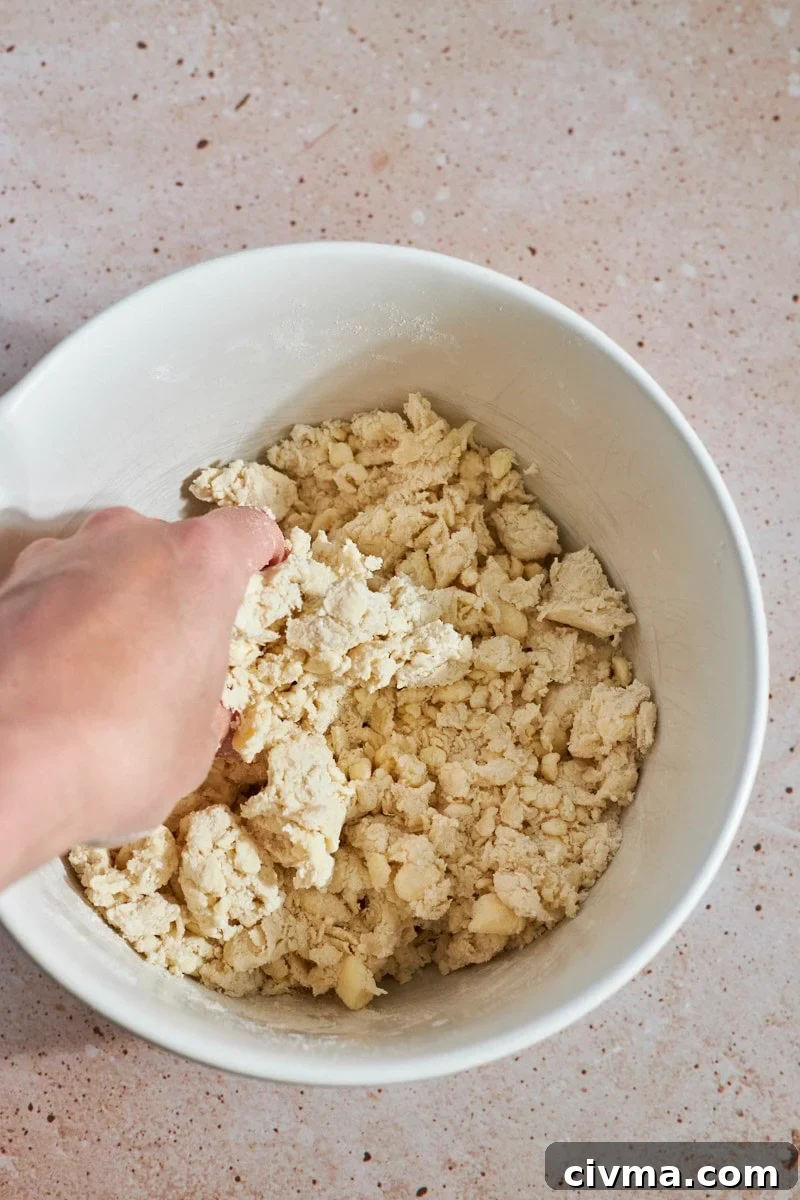
- Step 5: Mix just until the dough looks shaggy and clumpy. Visible butter pieces are exactly what you want. Do not overmix.
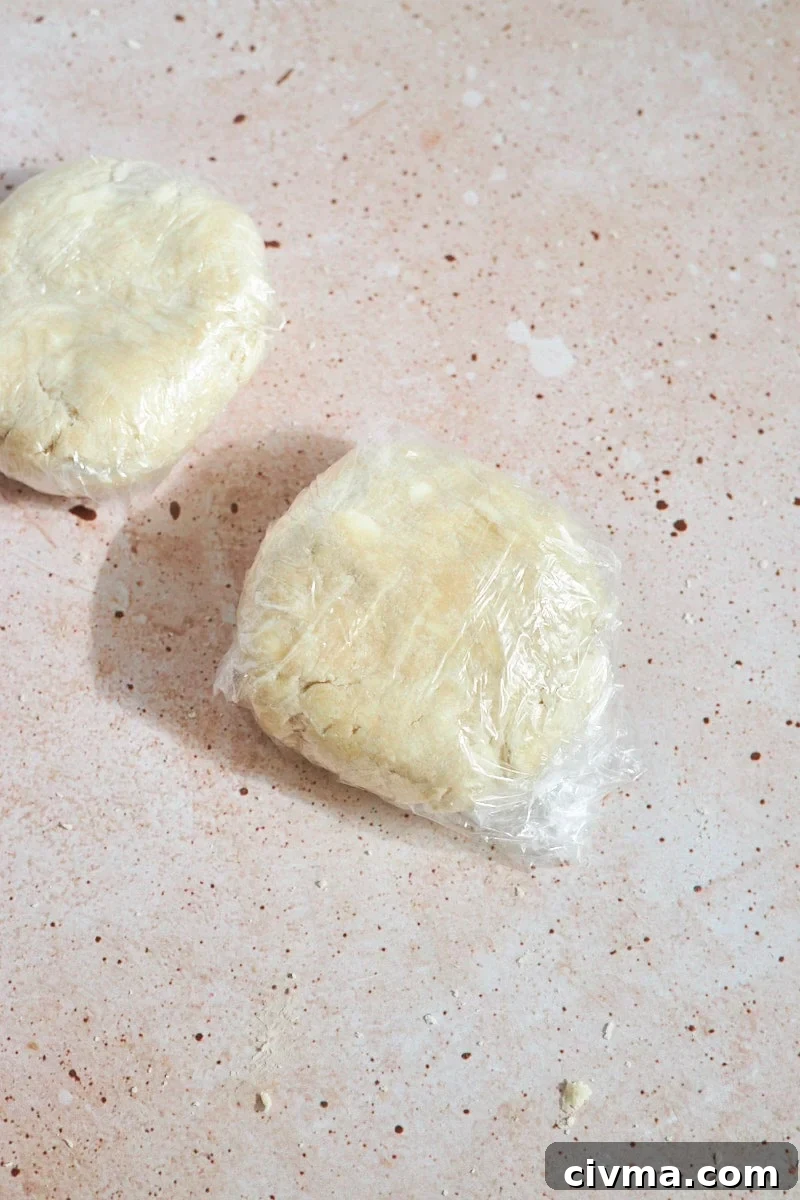
- Step 6: Gather the dough into a rough ball, divide it in half, wrap each piece in plastic wrap, and chill for at least 2 hours. To freeze, place the wrapped dough in a freezer-safe bag and freeze for up to 3 months.
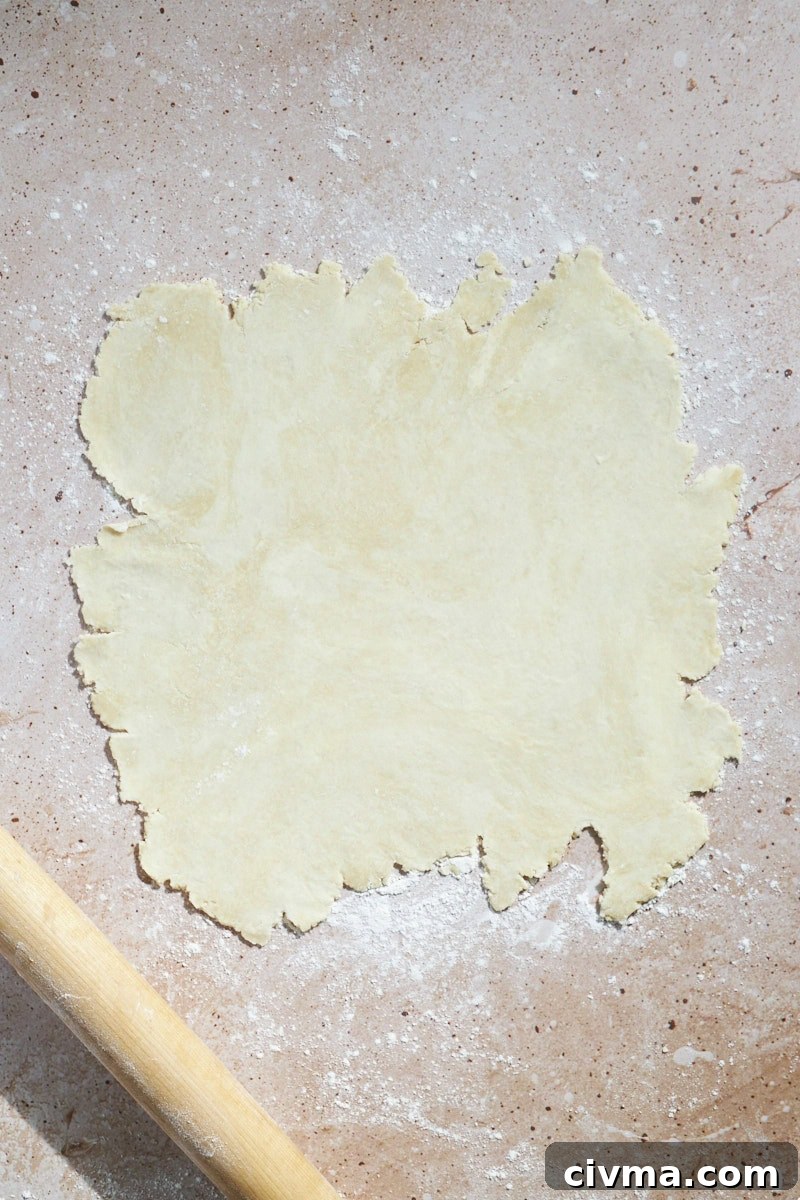
- Step 7: Roll one chilled dough disk on a lightly floured surface into a rough circle, or into the shape needed for your recipe.
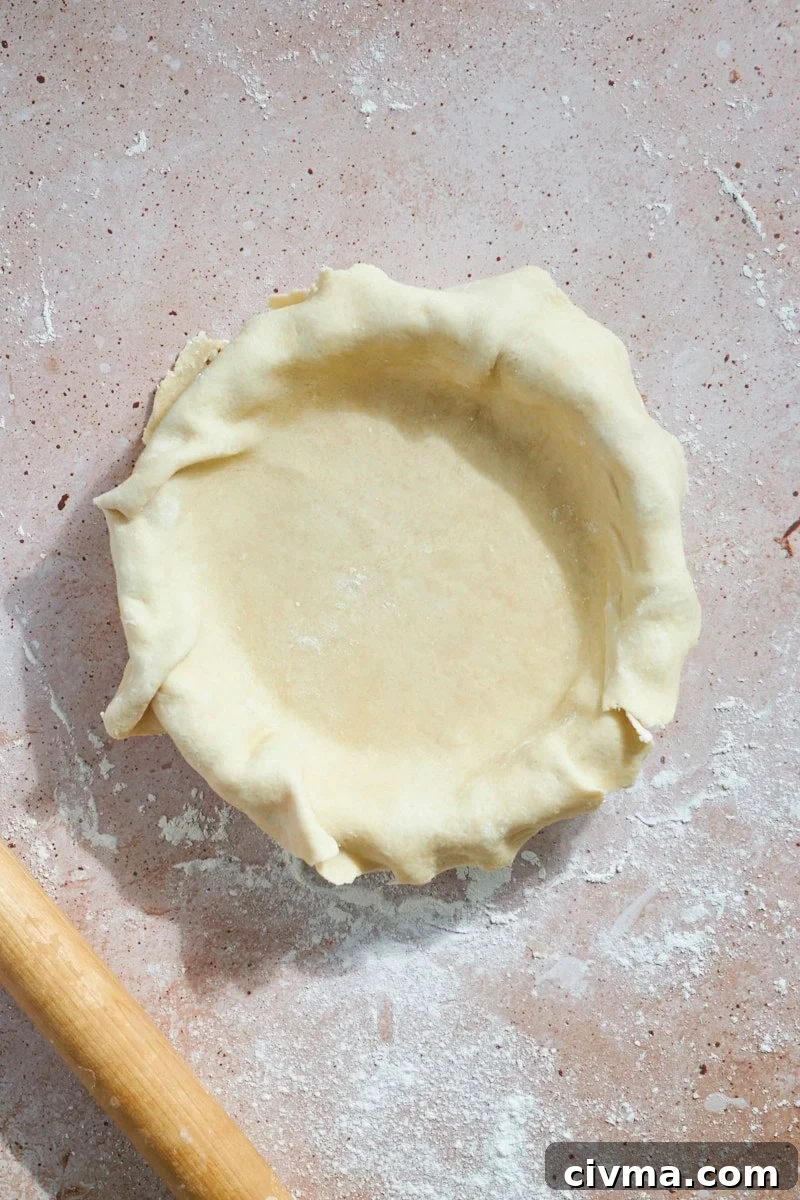
- Step 8: Transfer the dough to a pie dish or baking sheet, depending on what you are making.
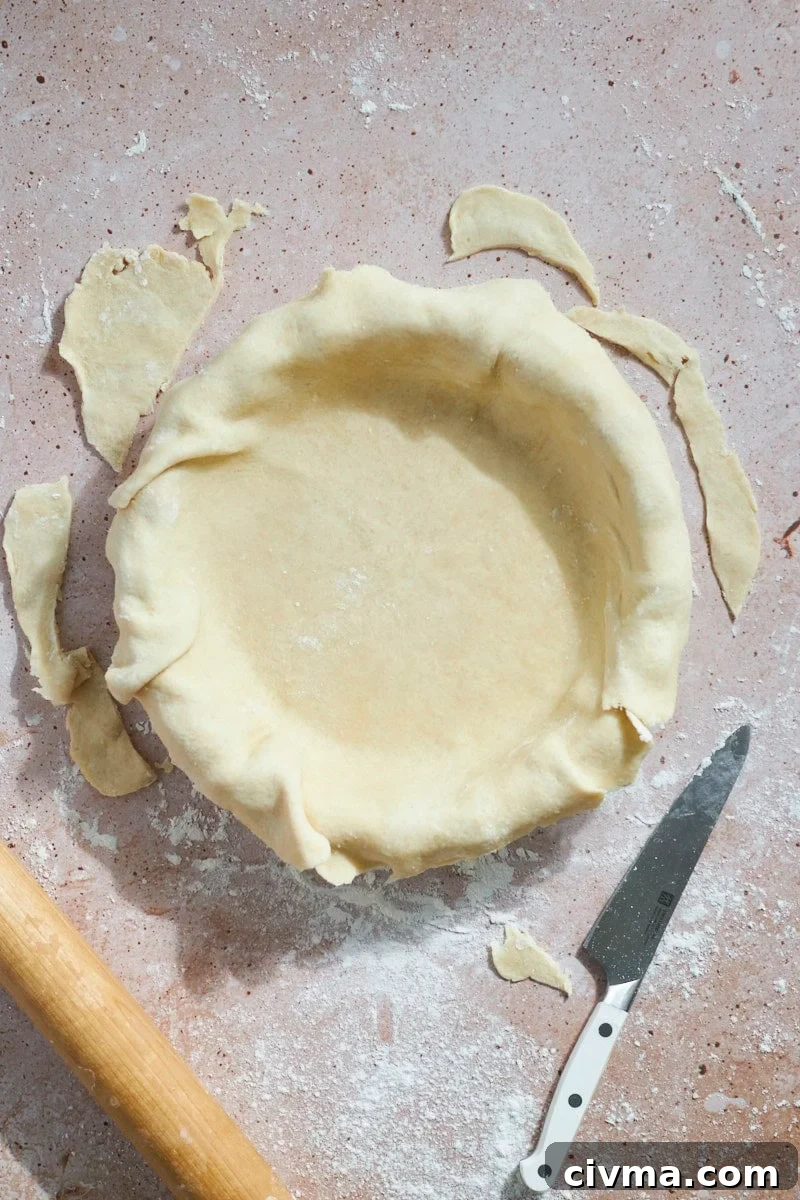
- Step 9: Trim the edges, leaving enough overhang to fold and crimp.
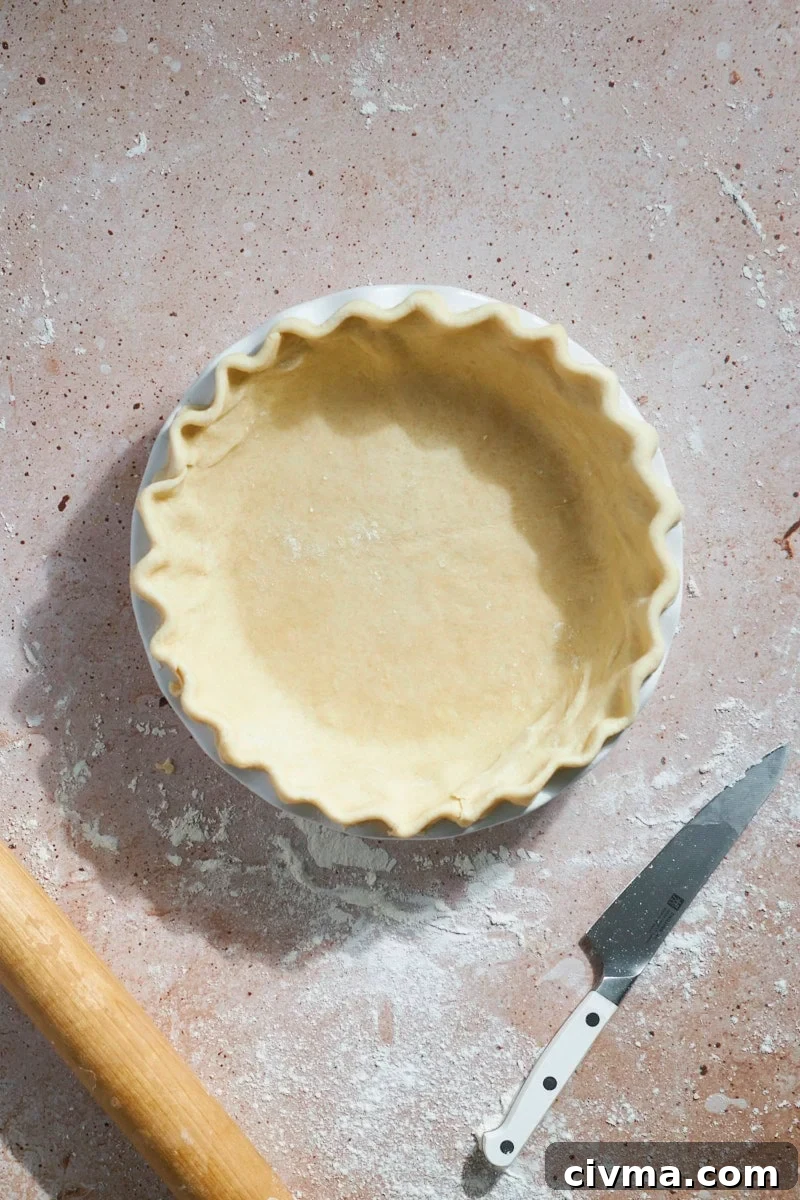
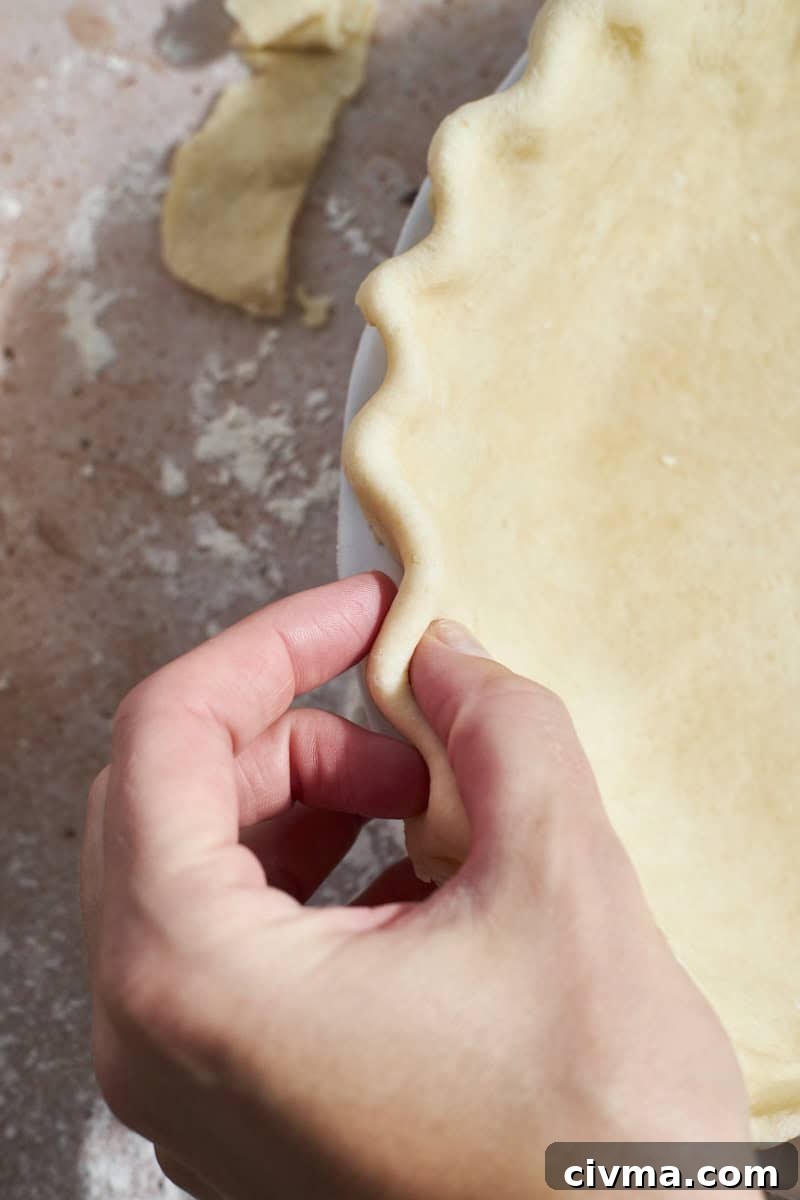
- Step 10: Shape and crimp the edges. Fill or bake the crust according to your pie recipe.
Expert Baking Tips
- Keep the butter cold. Chilled butter is essential for a flaky crust. If your kitchen is warm, freeze the cubed butter briefly before mixing.
- Do not knead the dough. Pie crust is not bread dough. Gather it together gently, but avoid working it too much.
- Chill the dough before rolling. A minimum of 2 hours in the refrigerator helps hydrate the flour, firm the butter, and make the dough easier to handle.
- If the dough becomes sticky, pause. Sticky dough usually means the butter is warming. Refrigerate it for 10-15 minutes, then continue.
- Use flour lightly. A little flour prevents sticking, but too much can make the crust dry or tough.
How many crusts does this recipe make?
This recipe makes enough dough for:
- One double-crust pie
- Two single-crust pies
- Two full-size galettes
- Four mini galettes
You can also use the dough for pop tarts, hand pies, and savory pastries such as empanadas.
What should you use to mix this dough?
There are several good ways to mix pie dough. Choose the method that feels most comfortable and helps you avoid overworking the dough.
- Mix by hand: Mixing by hand lets you feel the dough and control the size of the butter pieces. It can be slightly messy, and the warmth of your hands may soften the butter, so work quickly.
- Mix with a pastry cutter: A pastry cutter keeps your hands off the butter and makes it easy to cut the butter into the flour while keeping some uneven pieces.
- Mix with a fork: A fork is a simple option if you do not have a pastry cutter. It helps combine the butter and flour without adding too much warmth.
- Mix with a food processor: A food processor is fast, but it can overwork the dough quickly. Pulse only until the mixture is coarse and stop before it becomes uniform.
How should you bake this pie crust?
Always follow the baking directions for the specific pie or dessert you are making. These general methods can help you decide how to prepare the crust.
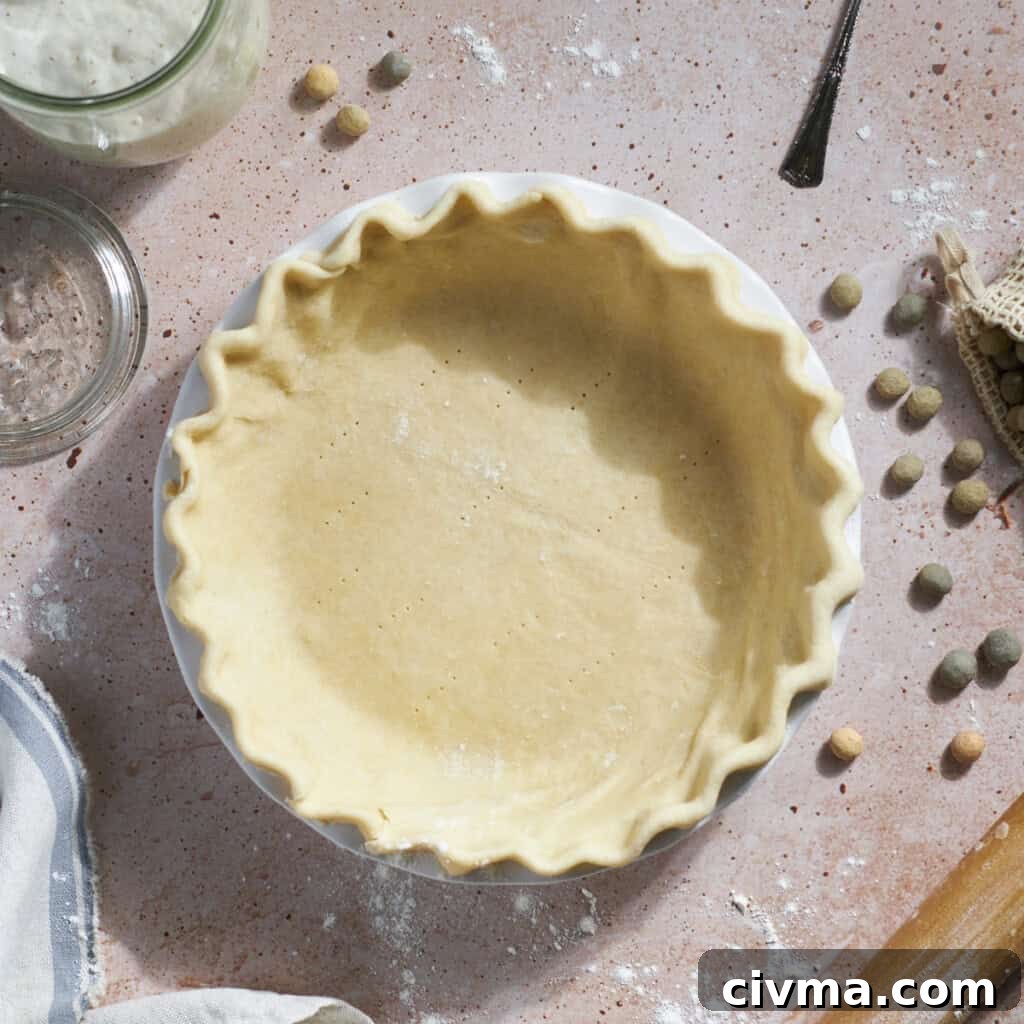
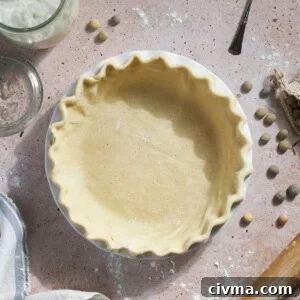
- Par-baking: Par-baking means partially baking the crust before adding a filling that will continue baking in the oven. Prick the bottom of the crust with a fork, line it with parchment paper, add pie weights or dried beans, and bake at 425 degrees F for 10-15 minutes. The crust should look set but still pale.
- Blind-baking: Blind-baking means fully baking the crust before adding a no-bake filling. Prick the bottom with a fork, line with parchment paper, add pie weights or dried beans, and bake at 425 degrees F for 15-17 minutes, or until evenly browned.
- Double-crust pie: For a pie with both a bottom and top crust, bake at 400 degrees F for 35-40 minutes, or until the crust is golden and the filling is bubbling.
kitchen essentials
My Favorite Pie Dish
A sturdy ceramic pie dish works well for this sourdough discard pie crust because it supports even shaping and makes a beautiful presentation.
Storage
Refrigerator Storage: Make the pie dough ahead and store it in the refrigerator for up to 2-3 days. Shape each portion into a slightly flattened disk, wrap tightly in plastic wrap, and keep chilled until ready to roll.
Freezer Storage: Freeze the wrapped dough for up to 3 months. For best protection, place the plastic-wrapped dough in a freezer-safe bag before freezing.
When you are ready to use frozen dough, thaw it overnight in the refrigerator. Roll it out while it is still cold, then fill or bake according to your recipe.
Recipe FAQs
If the dough feels springy and pulls back as you roll it, the gluten has likely been activated from overworking. Cover the dough and let it rest for a few minutes. If it feels warm, chill it again before continuing. Even if the dough has been worked a little too much, it will still bake into a flavorful crust.
Sticky dough is usually too warm, which means the butter is starting to soften. Dust the rolling pin lightly with flour, or place the dough back in the refrigerator for 10-15 minutes before rolling again.
Yes. Store the dough in the refrigerator for 2-3 days or freeze it for up to 3 months. If frozen, thaw it overnight in the refrigerator before rolling.
Yes. Replace the sourdough discard with 200 grams of active sourdough starter. Keep the rest of the ingredients the same.
Sourdough discard is the portion of starter removed before feeding. Instead of throwing it away, you can use it in recipes like this sourdough discard pie crust.
More Sourdough Discard Dessert Recipes
-
Sourdough Discard Strawberry Galette
-
Sourdough Discard Cinnamon Roll Focaccia
-
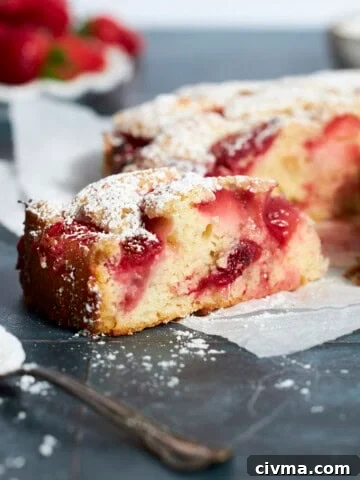
Sourdough Discard Strawberry Cake
-
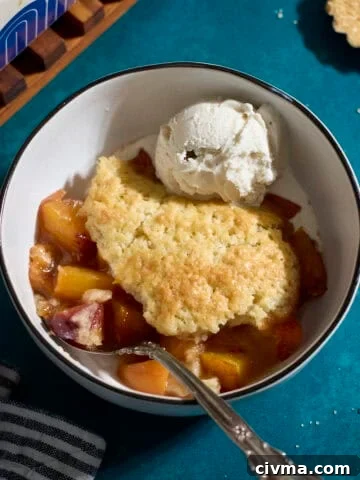
Sourdough Peach Cobbler

If you tried this Sourdough Discard Pie Crust, leave a star rating and share how it turned out in the comments. Happy baking!
Sourdough Discard Pie Crust
Jessica Vogl
Equipment
- Kitchen scale
- Rolling pin
- Pastry cutter or fork
- Plastic wrap
Ingredients
- 200 grams (about ¾ cup) sourdough discard unfed and cold, straight from the refrigerator
- 2 teaspoons distilled white vinegar
- 1 ¾ cups all-purpose flour
- 1 teaspoon kosher salt
- 1 teaspoon granulated sugar
- 1 cup unsalted butter cold, cut into small cubes
Instructions
-
In a small bowl, mix the sourdough discard and vinegar until smooth. Refrigerate the mixture until you are ready to add it to the dough.
-
In a large bowl, whisk together the flour, salt, and sugar. Add the cold cubed butter. Use your hands, a pastry cutter, or a fork to cut the butter into the flour until the mixture is coarse and the butter pieces are about the size of peas.
-
Add the chilled sourdough discard mixture and mix just until the dough comes together. The dough should look shaggy and clumpy, with visible pieces of butter throughout.
-
Turn the mixture onto a smooth work surface and gently gather it into a ball. Do not knead. If the dough feels too dry, add ¼-½ teaspoon of water. If it feels sticky, add a light sprinkle of flour.
-
Divide the dough into two pieces. Wrap each piece in plastic wrap and press into a disk. Chill for at least 2 hours.
-
Place one chilled disk on a lightly floured surface. Roll it into a roughly 12-inch circle for a 9-inch pie dish, or roll it to the size and shape needed for your recipe.
-
To transfer the crust, gently roll the dough around the rolling pin, move it over the pie dish or baking sheet, and unroll it into place.
-
Fill and bake according to your pie or dessert recipe. Roll out the second crust when needed.
Notes
This recipe makes enough crust for one double-crust pie or two single-crust pies or galettes. If you only need one crust, refrigerate or freeze the remaining dough for later.
Nutrition information is calculated for a double-crust pie. If you use only half of the dough, the nutrition information would be approximately half of what is listed.
Nutrition
Carbohydrates: 17g
Protein: 2g
Fat: 16g
Saturated Fat: 10g
Cholesterol: 41mg
Sodium: 196mg
Fiber: 1g
Sugar: 0.4g