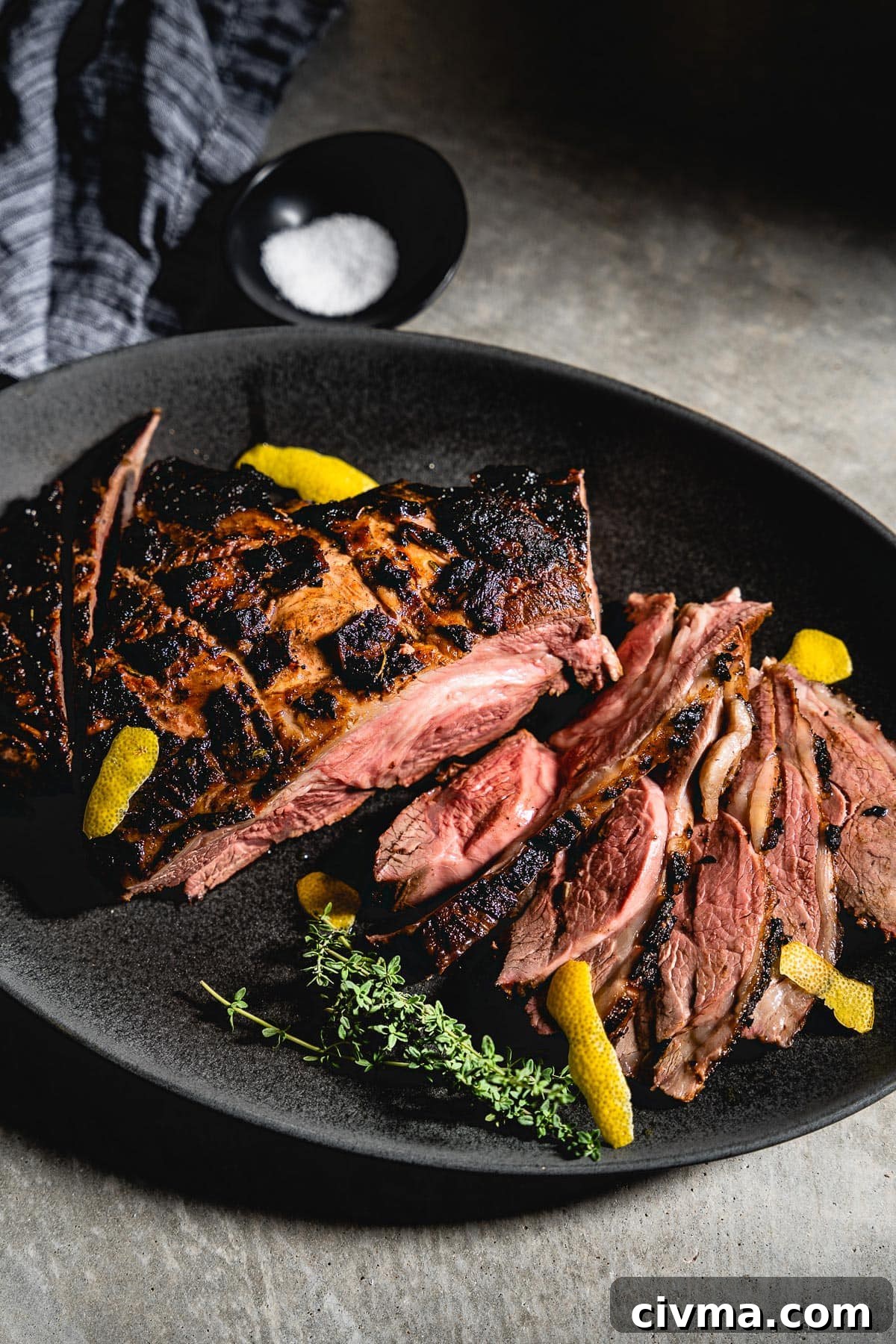
A butterflied leg of lamb, soaked in an herb-forward marinade and finished on the grill, is irresistible — tender, smoky, and full of lamb flavor. Butterflying the leg speeds cooking and exposes more surface area to the marinade, producing a deeply seasoned crust while keeping the interior juicy.
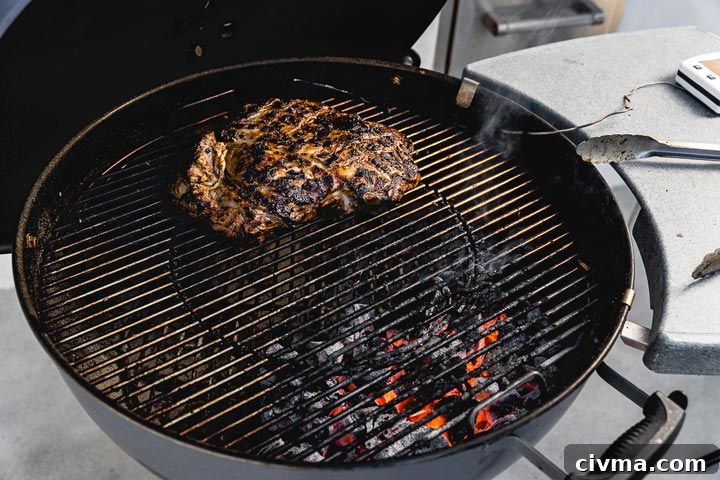
Roasting is a classic method, but grilling adds a layer of smoky complexity that makes the dish special. For best results, use a two-zone setup on the grill: sear the lamb on the hot side to build a crust, then move it to the cooler side to finish cooking through.
American lamb is the star here. With a bright, herbaceous marinade and a smoky finish from the grill, this leg of lamb pairs beautifully with grilled vegetables and makes excellent leftovers for salads, sandwiches, or tostadas.
Why You’ll Love Grilling a Butterflied Leg of Lamb
Butterflying a boneless leg creates a larger, flatter surface that soaks up more marinade and cooks more quickly and evenly than a bone-in roast. The technique gives you an intense crust from searing while shortening total grill time, which helps maintain tenderness.
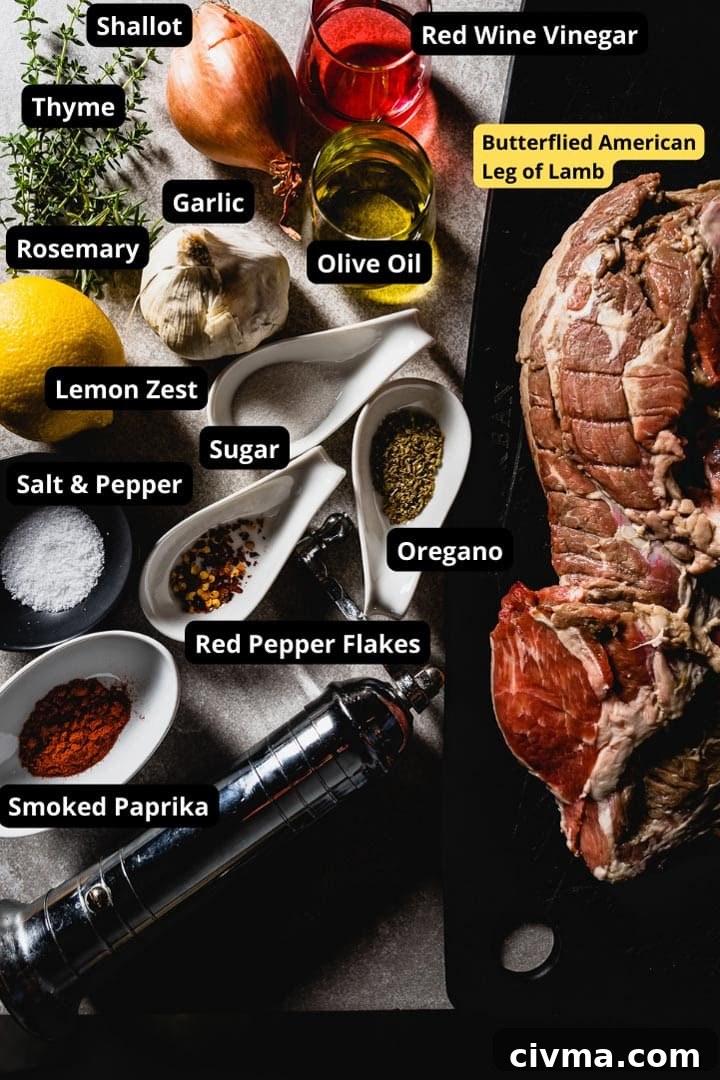
Ingredients You’ll Need
- Boneless American lamb leg, butterflied – A whole boneless leg typically weighs 5 to 8 lb; a half leg is usually 3 to 4 lb. Your butcher can butterfly and trim it if needed. A butterflied leg cooks faster and more evenly on the grill.
- Kosher salt – Use 1 tsp Diamond kosher salt (or ¾ tsp Morton) per pound of lamb. Salt at least 12 hours ahead, ideally 24 hours, for best seasoning.
- Marinade – A balanced blend of shallot, garlic, lemon zest, fresh thyme, rosemary, oregano, smoked paprika, a bit of sugar, red wine vinegar, olive oil, black pepper, and optional red pepper flakes for heat. Blend into a paste or a textured mixture, then rub it over the lamb.
See the recipe below for exact quantities and full ingredient breakdown.
Tools & Equipment Used
- Sharp boning knife to trim excess fat and remove silverskin, and to butterfly the leg if needed.
- Grill with a lid — charcoal or gas will work. A two-zone setup is recommended.
- Meat pounder or heavy skillet to even out thickness for uniform cooking.
- Long tongs and a long slicing knife for resting and carving.
- Instant-read thermometer and, if available, a remote probe thermometer to monitor internal temperature accurately.
How to Grill Leg of Lamb
Step-by-step instructions to prep, marinate, sear and finish a butterflied boneless leg of lamb on the grill.
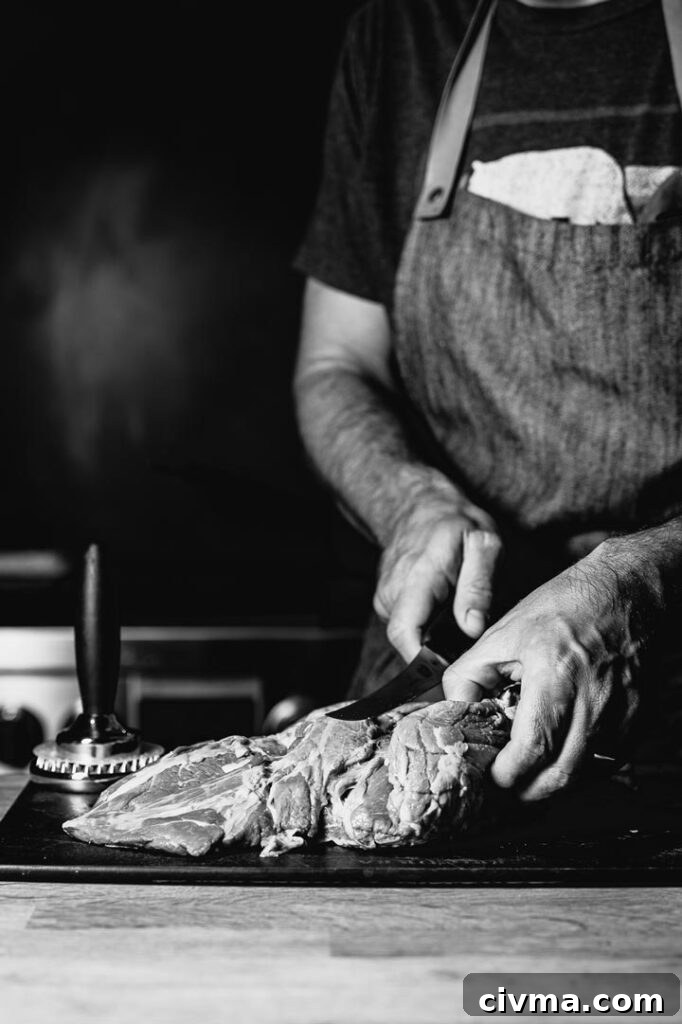
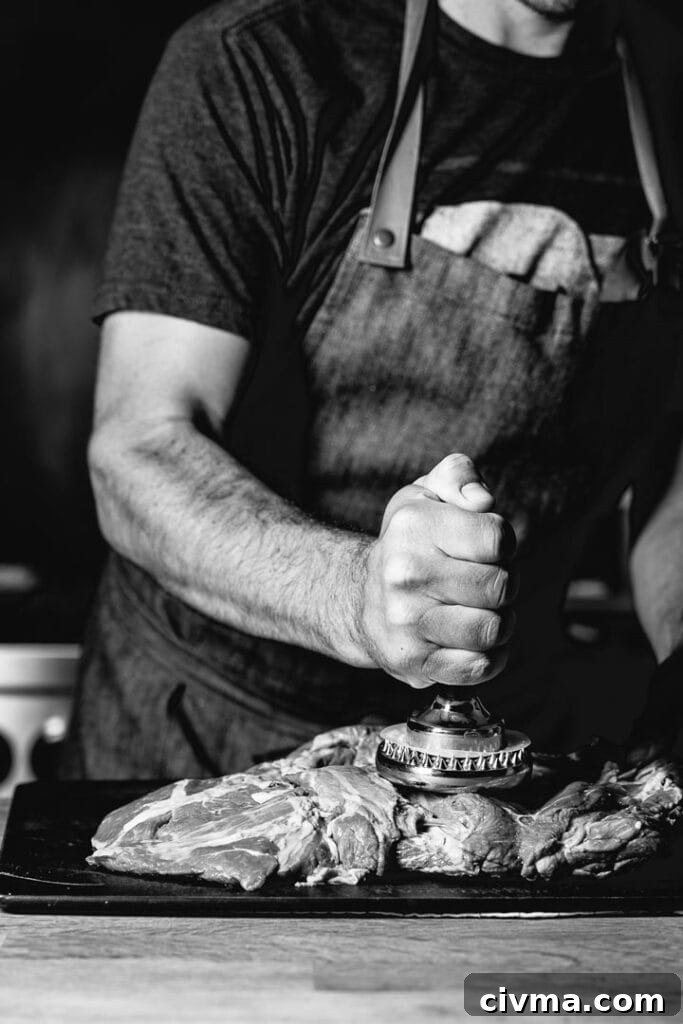
- Prep the butterflied leg: Trim excess fat and remove silverskin. Score the fat cap with a shallow crosshatch so it crisps and allows marinade penetration. Pound any thick areas for even thickness.
- Make the marinade: Combine shallots, garlic, lemon zest, fresh thyme, rosemary, oregano, smoked paprika, sugar, red wine vinegar, olive oil, black pepper and optional red pepper flakes into a paste or coarse mixture.
- Season and marinate: Salt the lamb liberally, then spread the marinade over all sides. Cover and refrigerate for at least 12 hours, preferably 24.
- Temper and prep the grill: Remove the lamb from the fridge about 30 minutes before cooking. Set the grill to a two-zone setup and preheat to around 400°F. For charcoal, bank coals to one side; for gas, light half the burners.
- Sear: Sear the lamb on the hot side for about 4 minutes per side to develop a golden crust. Sear fat side down first.
- Finish on the cooler side: Move the lamb to the cooler side, close the lid, and cook until it reaches the pull temperature for your desired doneness (see temperature guidance below).
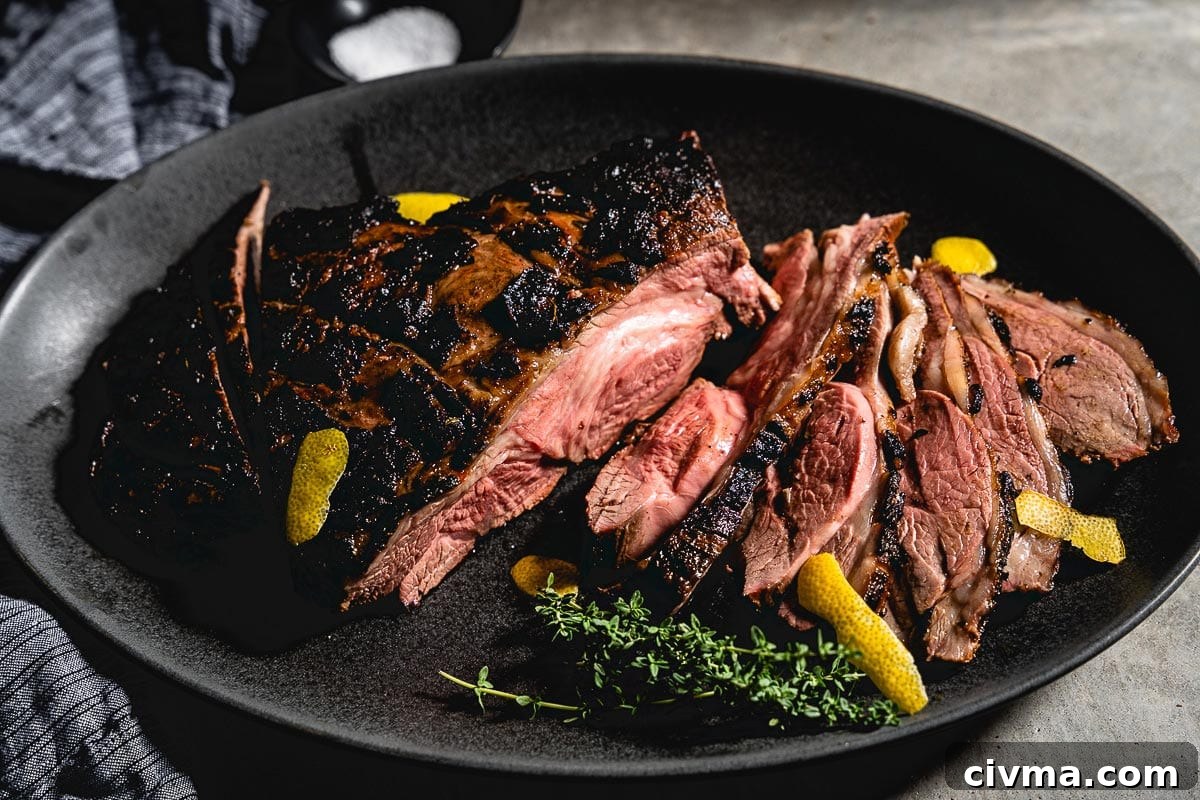
- Rest and carve: Remove the lamb and let it rest for 15–20 minutes, then slice thinly against the grain for the juiciest results.
Tip: Sear with the lid closed to help control flare-ups. If fat does ignite, move the lamb to the cool side until flames subside.
Target Temperatures & Resting
Large cuts experience carryover cooking, where internal temperature rises after removal from heat. Pull the lamb from the grill slightly below your final target so it finishes during the rest period. Always verify with an instant-read thermometer.
| Doneness | Pull Temp (°F) | Target Finished Temp (after resting) |
|---|---|---|
| Medium-Rare | 125–130° F | 130–140° F |
| Medium | 130–135° F | 135–145° F |
| Medium-Well | 135–140° F | 140–150° F |
The USDA recommends an internal temperature of 145° F with a 3-minute rest.
Expect roughly 12 minutes of grilling per pound, depending on thickness and grill temperature.
Carving the Leg of Lamb
Slicing a butterflied leg is straightforward: use a long, sharp knife and always slice against the grain. Different regions of the leg can have different grain directions, so check before you carve. Slice only what you’ll serve immediately to keep the meat moist.
Tips for Success
- Salt early: Large cuts need time for the salt to penetrate. Season generously at least 12 hours ahead, preferably 24 hours.
- Control lamb flavor: The fat layer adds flavor. Leave it on for a stronger lamb taste, or trim more if you prefer a milder profile.
- Cook by temperature, not time: Use a thermometer to avoid overcooking and to hit precise doneness.
- Taming flare-ups: Trim excess fat and, if flames start, move the lamb to the cool side and close the lid until the fire subsides.
- Two-zone advantage: Sear on high heat, then finish on indirect heat for even cooking and a great crust.
- Portion guidance: Plan for about 6–8 ounces of cooked lamb per person.
Serving Suggestions
Grilled leg of lamb is versatile: serve it over creamy polenta, in salads, or stuffed in pita with hummus, pickled onions and yogurt sauce. It’s excellent with mint chimichurri or a bright salsa verde, and pairs well with grilled broccolini, roasted or grilled potatoes, or creamy mashed potatoes. Leftovers are great for sandwiches, tacos or sliders.
Wine pairing: Try a full-bodied red like a Bordeaux-style blend or Malbec. If using a mint chimichurri or salsa verde, a crisp white such as sauvignon blanc works well. For beer, choose a malty amber or a lighter Belgian-style ale for contrast.
Storage & Reheating Instructions
- Refrigerate: Store leftovers tightly wrapped or in an airtight container for up to 3 days.
- Freeze: Vacuum-seal or wrap well for up to 6 months.
- To reheat: Rewarm slowly over low heat on the stovetop with a splash of broth or water, covered, or reheat in a 300°F (150°C) oven, tented with foil, until warmed through to avoid drying out.
More Delicious Lamb Recipes
If you enjoy this preparation, try other lamb classics such as herb-crusted sous vide leg of lamb, grilled lamb burgers, smoked lamb shoulder, grilled lamb chops, or shredded lamb for tostadas.
Grilled Leg of Lamb
Author: Justin McChesney-Wachs
Servings: 8 | Prep: 15 mins | Cook: 1 hr | Rest: 15 mins | Total: 1 hr 30 mins
Butterflied and marinated leg of lamb grilled to juicy, smoky perfection. Great for gatherings and makes excellent leftovers.
Ingredients
- 3 to 5 lb butterflied boneless leg of American lamb
- Kosher salt: 1 tsp Diamond kosher (or ¾ tsp Morton) per lb
Marinade
- 2 shallots, chopped
- 6 garlic cloves, chopped
- 2 tsp lemon zest
- 2 tsp fresh thyme, chopped
- 1 tsp fresh rosemary, chopped
- 1 tsp dried oregano
- 1 Tbsp smoked paprika
- 2 tsp sugar
- 2 Tbsp red wine vinegar
- Olive oil, ground black pepper, and red pepper flakes (optional)
Instructions
- Trim excess fat and silverskin. Score the fat in a shallow crosshatch pattern.
- Pound the butterflied leg to an even thickness with a meat pounder or heavy skillet.
- Season all sides liberally with kosher salt.
- Blend the marinade ingredients into a paste or coarse mixture. Spread it over the lamb, cover tightly, and refrigerate for 12–24 hours.
- Remove the lamb 30 minutes before grilling to temper. Insert a probe in the thickest part if using a remote thermometer.
- Preheat the grill to a two-zone setup at about 400°F. Clean and oil the grates.
- Sear the lamb on the hot side about 4 minutes per side to form a crust, then move to the cooler side and close the lid.
- Cook to the appropriate pull temperature: 125–130°F for medium-rare, 130–135°F for medium. Expect about 12 minutes per pound, but verify with an instant-read thermometer.
- Transfer to a cutting board and rest 15–20 minutes. Slice against the grain and serve.
Notes
- The USDA recommends a minimum internal temperature of 145°F with a 3-minute rest.
- Carryover cooking typically raises the internal temperature 5–10°F after the meat is removed from the heat.
- If flare-ups occur while searing, move the lamb to indirect heat and close the lid until they subside.
- To add smoke, introduce apple or cherry wood chips to the fire during cooking.
Nutrition (per serving, approximate)
Calories: 153 kcal | Protein: 23 g | Carbohydrates: 4 g | Fat: 5 g