Love smoked foods? Learn the basics of smoking meat and other foods. Experts share equipment suggestions and practical tips for smoking meats, cheese, vegetables and more.
Table of Contents
- Getting into food smoking for beginners? Start small!
- Which is best: manual or offset smokers?
- The benefit of starting smoking food with offset smokers
- Advice for food smoking for beginners: just have fun
- Experiment with different styles of smoking foods
- Smoking food for the first time offers so much versatility
- Patience required for starting a smoking food hobby
- Beginners tip for smoking food: get to know your butcher
- There’s no wrong way to smoke food
- On the right path to the best foods to smoke
- Messed up a smoked food recipe? It happens!
- Encouragement on how can you get into smoking foods?
- Smoking meat recipes for beginners
- Sauce ideas for smoked meats
- Smoking meat for beginners books
Getting into food smoking for beginners? Start small!
Nick Palumbo, co-host and producer of The Uncorked Corner Podcast, has smoked his own food for several years and learned a lot about the process and the wide range of smoker and grill options available. Below are his favorite tips for people just getting started with food smoking.
Which is best: manual or offset smokers?
Nick explains that he prefers doing things manually because it gives complete control over the variables that affect the final result. He recommends offset smokers, which have two main parts: a side firebox and a smoking chamber. The firebox holds the fuel and smoke, while the food cooks in the smoking chamber. With an offset smoker you control the fire, smoke, moisture and heat by hand.
This method requires time and attention; it’s not the “set it and forget it” approach of electric or pellet smokers. However, when managed correctly, manual control often produces outstanding results.
The benefit of starting smoking food with offset smokers
Nick advises beginners to start with an affordable offset smoker and learn each step of the smoking process. Cheap modifications—sealant, foil, bricks—can improve performance without spending a fortune. Mid-level models don’t always offer enough advantage over inexpensive smokers to justify the cost, so it’s sensible to learn first before investing heavily.
If your budget allows, buy a reliable thermometer that measures both meat internal temperature and smoker temperature at rack level. Built-in dome thermometers can be inaccurate, and a good thermometer will help you manage heat and timing more precisely.
You can produce excellent results even with a modest offset smoker.
Advice for food smoking for beginners: just have fun
Nick LeRoy, a long-time food blogger, encourages persistence: don’t give up if your first attempts fall short. Small adjustments to ingredients, temperature or timing can significantly improve results. Practice on affordable cuts—whole chickens and pork shoulders are forgiving and economical choices for beginners.
Nick found smoking to be a rewarding family hobby: pellet smokers especially can be near “set it and forget it,” which is perfect for home cooks who want great results without constant attention. Many people who start with pellet grills find smoking quickly becomes an enjoyable and addictive pastime.
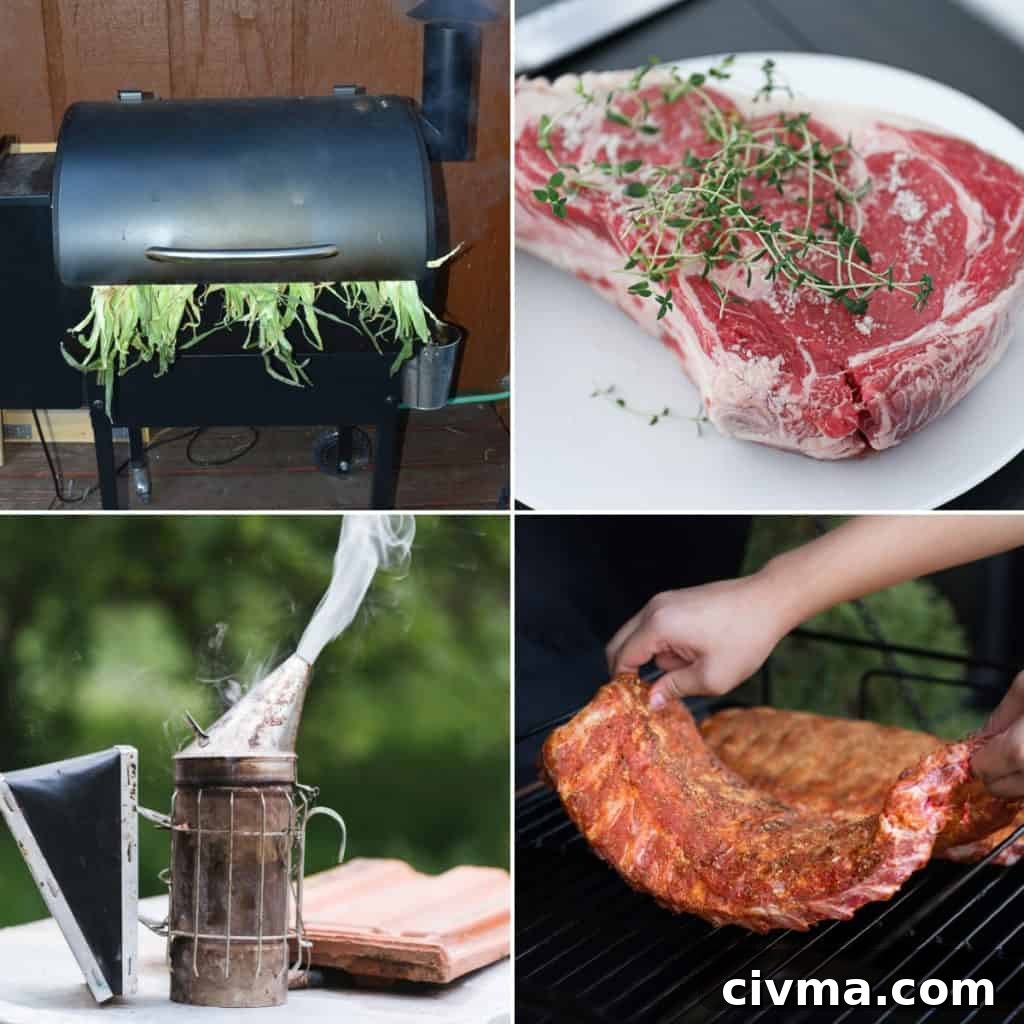
Experiment with different styles of smoking foods
Michael Haas of Angry BBQ says the hobby appeals because it encourages experimentation and creativity. He started with wood chunks on a gas grill and even tried an electric smoker as a beginner tool. Today he uses pellet grills and kettle grills, enjoying how different equipment and fuels yield unique flavors.
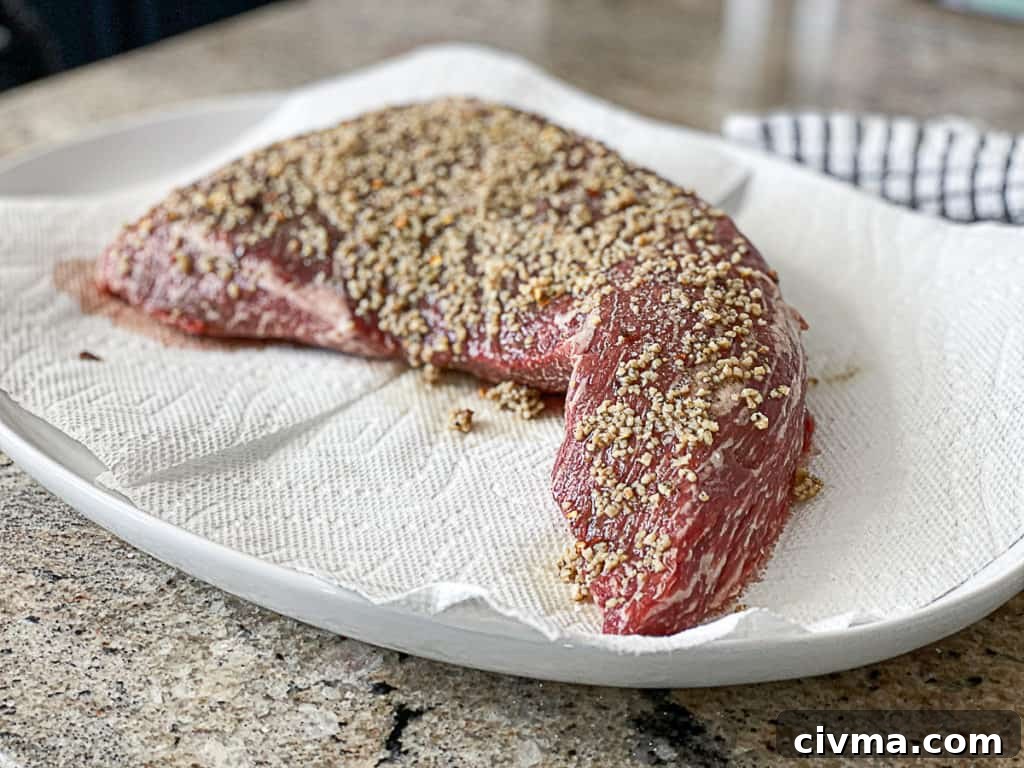
Michael and his family cook on grills frequently; their favorites include brisket, tri-tip, smoked ribs, smoked mac and cheese, homemade sausage, and kettle chicken. Exploring different techniques and recipes makes smoking a satisfying and ongoing culinary adventure.
Smoking food for the first time offers so much versatility
Tim Nelson from BBQ Smarts highlights how versatile smoking can be: beyond the staples—brisket, ribs, pulled pork—smoking opens the door to less expected dishes. He began making smoked pastrami at home and now smokes turkeys and prime rib for holidays. Essentially, many recipes that work in the oven can be translated to the smoker for added depth of flavor.
Patience required for starting a smoking food hobby
Tim also stresses patience. It takes time to learn how your smoker behaves. Pork ribs make a good introductory cut: they’re inexpensive, forgiving of mistakes, and cook in a reasonable 5–6 hour window. Brisket is rewarding but challenging, so wait to tackle it until you feel confident with longer cooks and temperature control.
Beginners tip for smoking food: get to know your butcher
Larry Sclafani, a cooking enthusiast, recommends building a relationship with your local butcher. Good guidance at the point of purchase helps you choose suitable cuts and learn about trimming, fat caps and recommended cook methods. Start with cuts that are quicker to cook and gradually move to advanced pieces like brisket as your skills improve.
There’s no wrong way to smoke food
Steph Schroeder, who began smoking during quarantine, emphasizes that you shouldn’t get bogged down by debates about “authentic” methods. Whether you use a pellet grill, an electric smoker, or a classic charcoal rig, the best approach is the one that creates food you and your family enjoy. If it tastes good to you, that’s what matters most.
On the right path to the best foods to smoke
Steph recalls the satisfaction of long cooks: after many hours of waiting for a brisket to finish, cutting into that perfect bark and seeing a smoke ring is a uniquely rewarding moment. Those successes keep people coming back and refining their craft.
Messed up a smoked food recipe? It happens!
Blake Dan, founder of Grill Simply, reminds beginners to expect mistakes and to learn from them. Smoking and barbecue are as much about the shared experience as they are about technique. Start modestly, accept a few failures, and keep practicing—the process is where the improvement happens.
Encouragement on how can you get into smoking foods?
Overall advice from these enthusiasts is consistent: be patient, experiment, and prioritize enjoyment over perfection. Use reliable equipment, learn to control temperature and smoke, and don’t be afraid to try different meats and approaches. The hobby is accessible, rewarding, and scalable to fit your budget and available time.
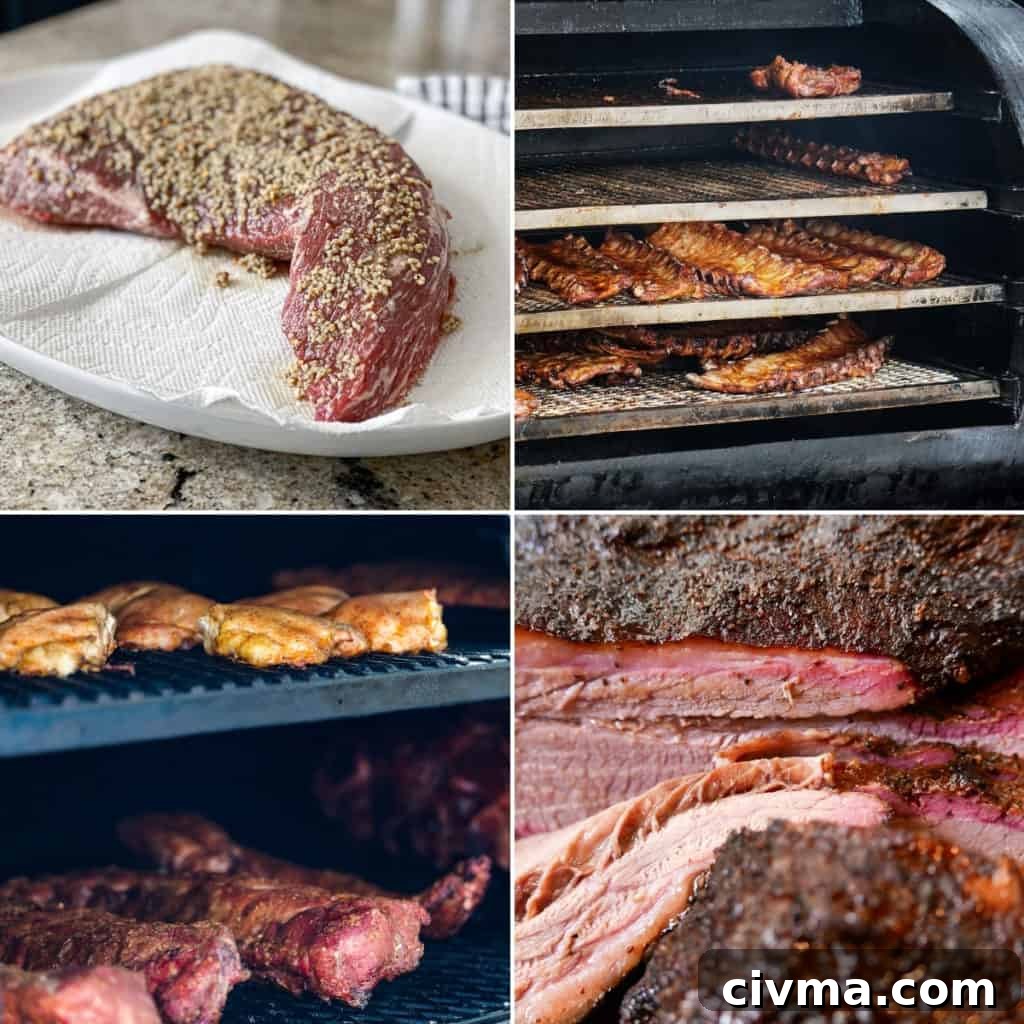
Smoking meat recipes for beginners
Popular, beginner-friendly recipes include:
- Smoked mac and cheese on a pellet grill
- Smoked tri-tip
- Prime rib for holidays
- Smoked pork ribs, an affordable way to practice
- Smoked pulled pork for sandwiches and tacos
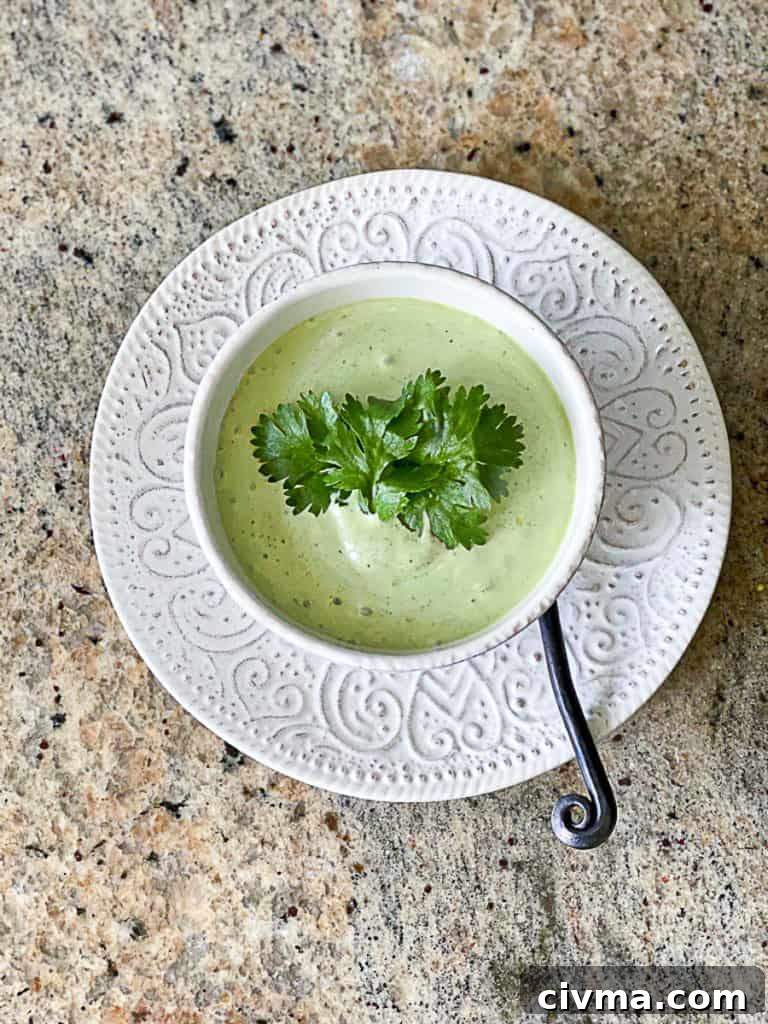
Sauce ideas for smoked meats
- Jalapeno ranch sauce for a creamy, spicy kick
- Creamy peppercorn sauce for richer cuts
- Classic barbecue sauce for a familiar finish
Smoking meat for beginners books
For those who enjoy reading and deeper study, several well-regarded books cover techniques and recipes in detail and can accelerate learning. Seek out respected barbecue and smoking manuals to expand your knowledge as you progress.
This guide aims to inspire you to try smoking at home. Like any hobby, it takes practice, but the rewards—memorable meals and new skills—are well worth the effort. Enjoy the process and your food!