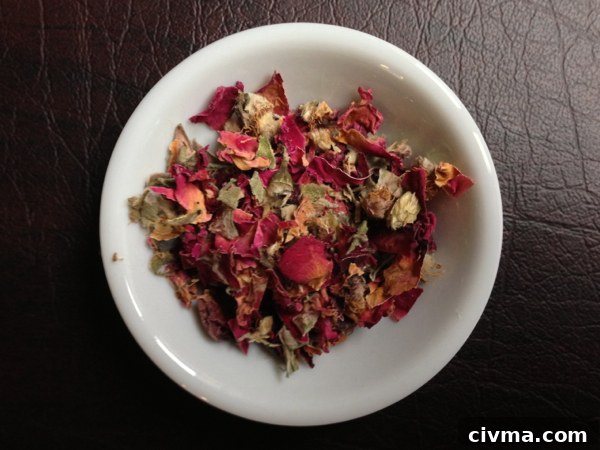
Cooking rewards curiosity and a willingness to try unexpected flavor pairings. For this month’s Tasting Jerusalem selections, we’re stepping away from the usual chocolate gifts and exploring rose water and dried rose petals. These fragrant ingredients, common in Middle Eastern markets, bring floral complexity to both sweet and savory dishes and can turn a simple meal into something memorable.
February Topic: Rose Water and Rose Petals
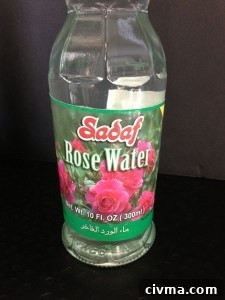 Rose water captures the scent of a summer garden. It is produced by distilling highly fragrant rose petals, most commonly the pink damask variety, into distilled water. The result is a delicate, floral liquid used across cuisines and traditions. Historically, rose water has appeared in medical and culinary texts — for example, an early reference attributes its production to a Persian physician in the first century AD, and John Gerard noted its restorative properties in 1597. Over centuries it migrated into European kitchens as a luxury flavoring and remains a staple in Middle Eastern, Greek, Indian, and North African cooking.
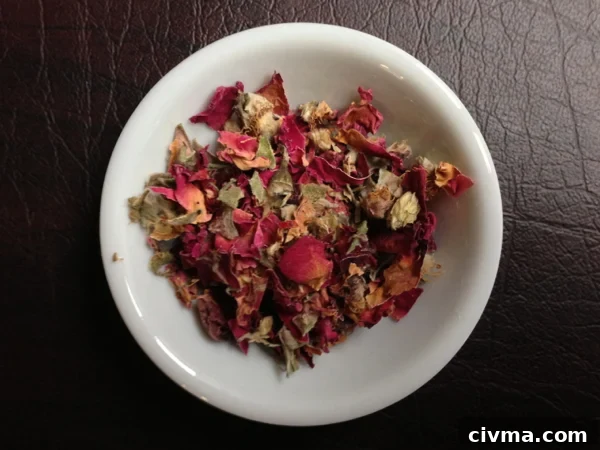
Using rose water requires restraint. Too little and the flavor disappears; too much and it becomes soapy. Start with small increments — many commercial bottles suggest about one tablespoon per serving as a guideline — and taste as you go. For a subtle floral note, add a few drops at a time; for a more pronounced profile, increase slowly. Dried rose petals complement rose water well: they add texture, visual appeal, and concentrated floral aroma. Both items are widely available at specialty and ethnic markets, and they are generally affordable.
Monthly Menu #2
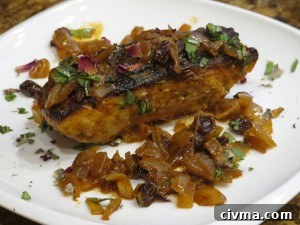
Pan-fried sea bass with harissa and rose, pg 219
This dish is an excellent example of rose water’s versatility. Though commonly associated with desserts, rose water lifts savory preparations in unexpected and delightful ways. The pan-fried sea bass gets a bold edge from harissa while rose adds a soft floral counterpoint, creating an elegant balance of heat and perfume. If sea bass is hard to find, firm white fish like halibut works well as a substitute. The recipe is straightforward once you assemble the pantry items, and the result is worth the effort.
Cardamom rice pudding with pistachios and rose water, pg 270
A gently spiced rice pudding accented with cardamom, chopped pistachios, and a hint of rose water makes a comforting and fragrant dessert. The floral note pairs beautifully with the warm spice of cardamom and the crunch of pistachios, making it a fitting ending to a romantic dinner or a family meal. As always, add rose water gradually and taste, aiming for a delicate lift rather than an overpowering florality.
Ghraybeh, pg 260
Ghraybeh are buttery, ghee-based cookies perfumed with both orange blossom water and rose water. These simple confections are a nostalgic comfort for many and showcase how subtle floral waters can transform a plain cookie into something evocative. If ghee is not available, clarified butter or a neutral butter substitute can be used. Orange blossom water and rose water are often found in the same specialty stores alongside other aromatic ingredients.
Rose water and dried petals can be sourced at Middle Eastern grocers and many specialty markets. If you prefer to shop online, you can search reputable retailers that stock these items; they are typically inexpensive and available year-round. When buying, look for pure rose water without unnecessary additives and choose food-grade dried petals for garnishing and cooking.
Practical tips for cooking with rose water:
- Always add rose water in small amounts and taste after each addition.
- Pair rose water with citrus, nuts (like pistachios and almonds), warm spices (cardamom, cinnamon), and mild proteins (fish, poultry).
- Use dried petals as a garnish or to infuse syrups and teas; keep them dry and stored in a sealed container.
- Substitute clarified butter for ghee in baking when needed, and choose firm white fish if sea bass is unavailable.
Join the Tasting Jerusalem community to cook along, share photos, and ask questions. Use the hashtag #TastingJrslm on social platforms to connect with others exploring these recipes and flavors. If you blog about your experience, please respect copyright and avoid posting full, unapproved recipes from the cookbook; the goal is to share impressions and photos while encouraging others to consult the original work for exact instructions.
Group Guidelines (summary)
- We choose recipes monthly to make participation manageable and to allow time to source specialty ingredients.
- Cook as many or as few of the suggested dishes as you like.
- The cookbook is the central reference; bring curiosity and a willingness to try new flavors.
- Share photos and notes on social channels with the #TastingJrslm hashtag; everyone is welcome regardless of experience.
- If you write about your cooking, link back and include a brief acknowledgement of the cookbook and the virtual community.
- Questions and tips are encouraged—participants and hosts will help one another as recipes are tried and adapted.
Let’s get cooking and enjoy how small amounts of rose water and rose petals can transform familiar ingredients into something unexpectedly beautiful.