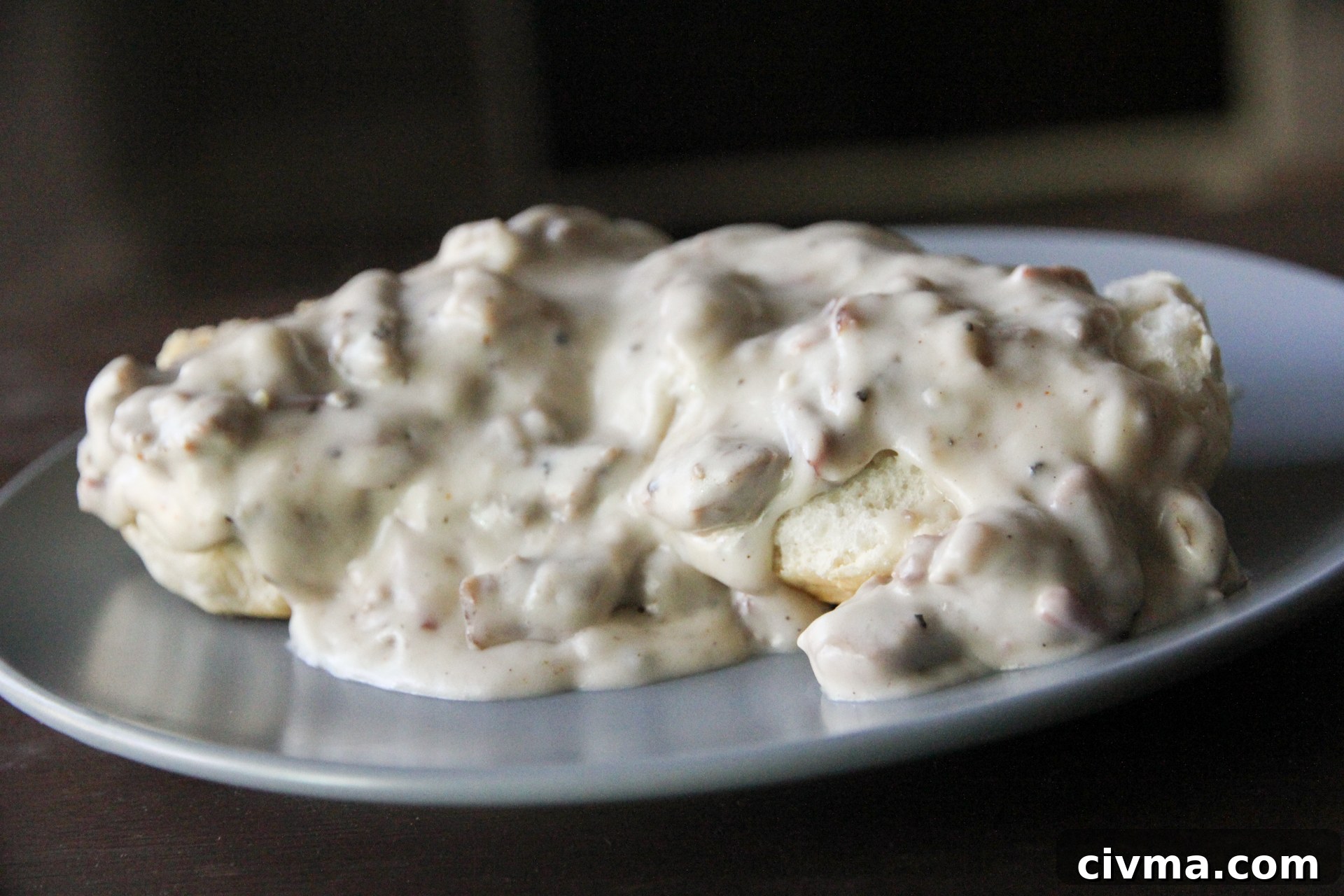
Biscuits and gravy are a perfect pairing. Now imagine taking that idea up a notch by using smoked brisket in the gravy.
I’ll admit it: beef beats pork for me most days. Don’t get me wrong—I enjoy bacon and pork cracklings—but when given the choice, I’ll pick beef every time. That’s why I love reworking classic pork-based dishes into beef-forward versions. One of my favorite upgrades is swapping the usual sausage gravy for a rich, creamy gravy made with smoked brisket and brisket fat. The result is indulgent, smoky, and deeply satisfying.
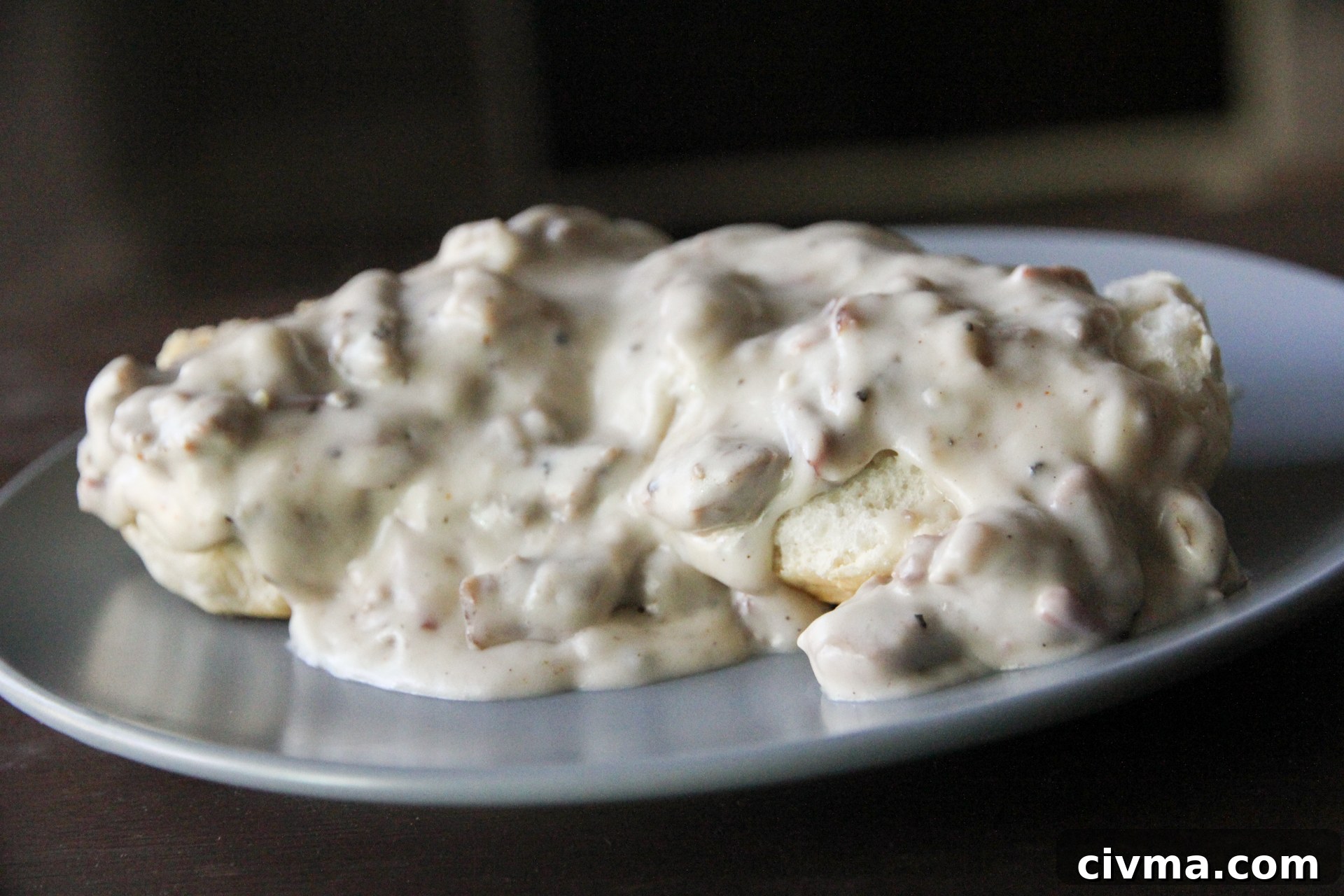
Think of a velvety cream gravy built from smoked brisket fat, studded with tender, shredded barbecued brisket.
This recipe is a fantastic way to transform leftover smoked brisket into something truly special. Leftover brisket is more common than you might think—after a cookout or family meal it’s easy to have extra. While brisket is already great in tacos, hashes, and sandwiches, turning it into a creamy gravy for warm biscuits creates a dish that’s comforting, bold, and memorable.
To make this, you’ll use rendered smoked brisket fat along with a little neutral oil to form a roux, then gradually whisk in milk until the gravy is smooth and silky. Season simply with black pepper, cayenne for a touch of heat, and salt to taste. Fold in chopped or shredded brisket so each spoonful delivers both sauce and meat. Serve the gravy over hot baking powder and buttermilk biscuits for a classic Southern-style breakfast or a decadent brunch.
Below you’ll find clear ingredient amounts and step-by-step instructions so you can recreate this at home. The method is straightforward: form a roux, cook out the raw flour taste, add milk slowly while whisking, then finish with seasonings and the brisket. Keep the gravy slightly looser in the pan because it will thicken as it rests.
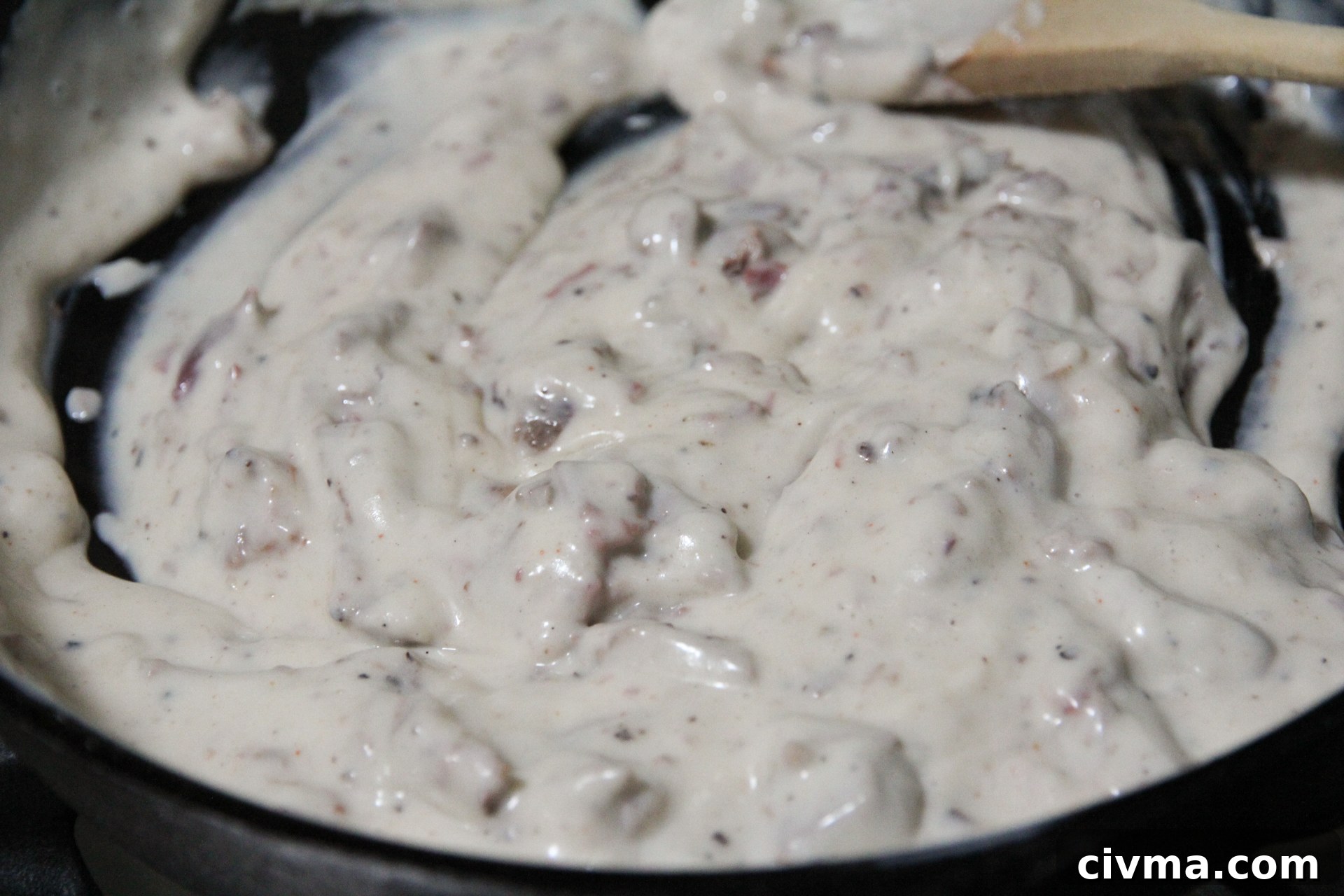

Smoked brisket gravy – BRISKET and gravy
Author: Jess Pryles
Ingredients
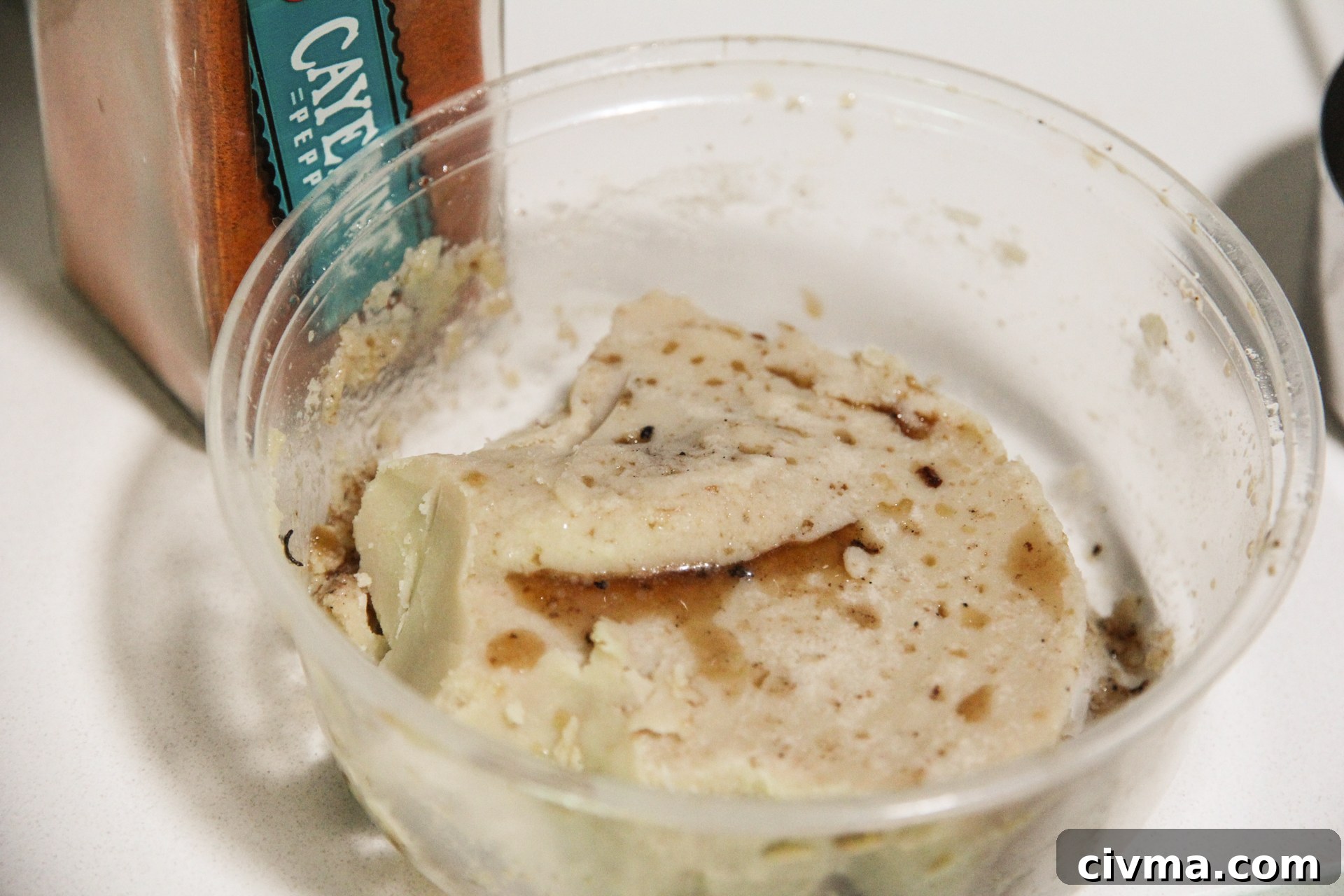
1 heaped tablespoon smoked brisket fat
2 tablespoons canola oil
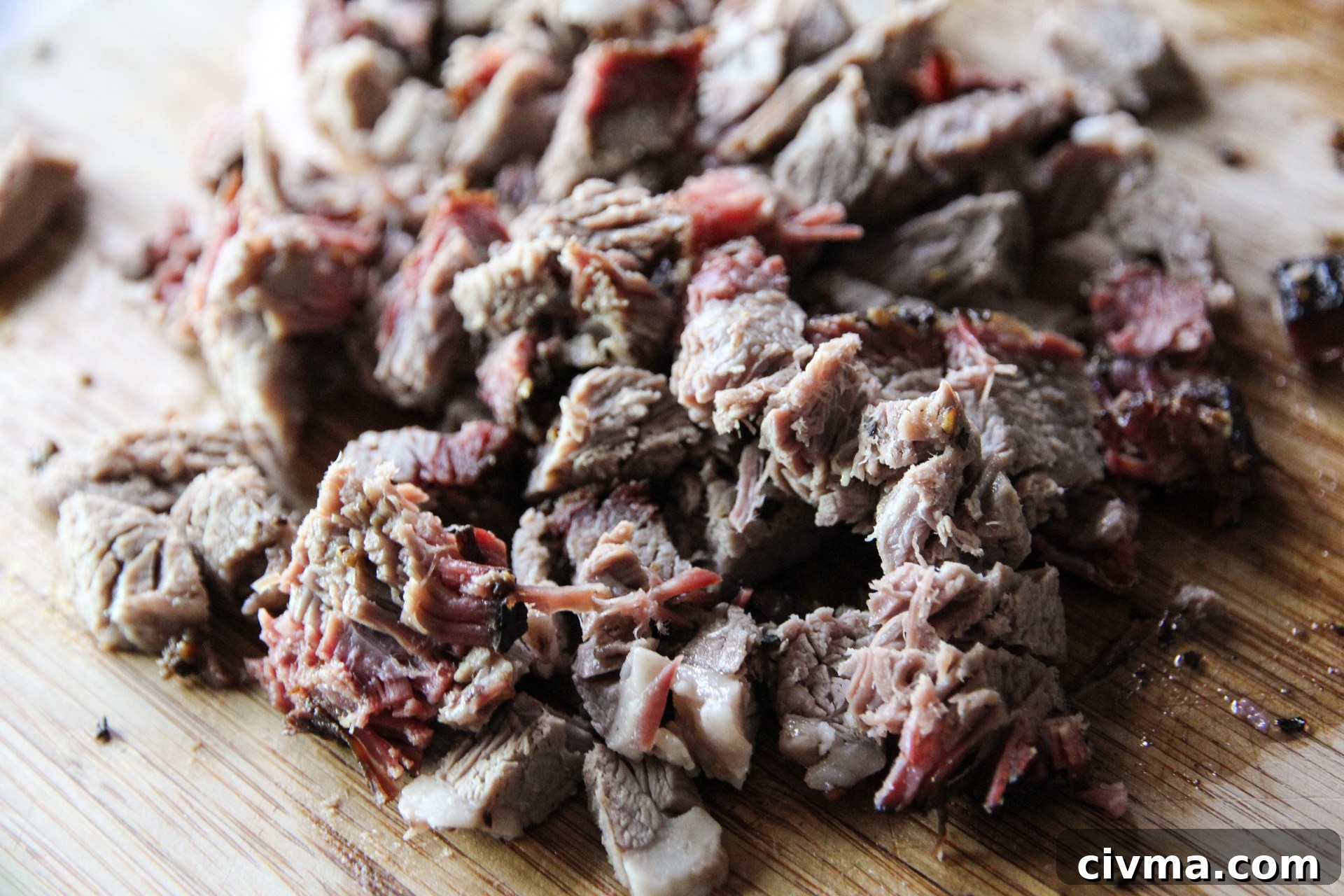
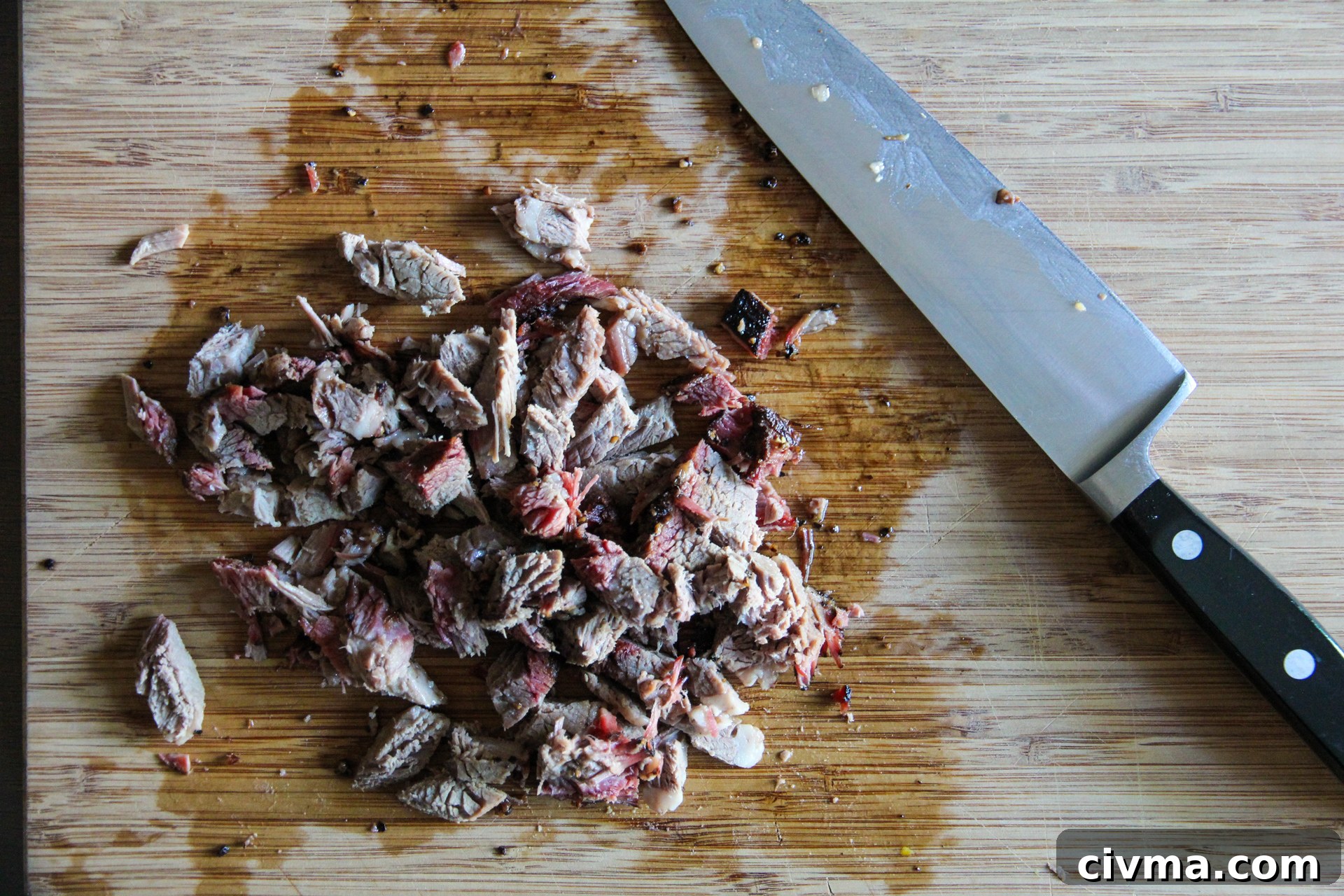
1/4 pound smoked brisket, chopped or shredded
1/4–1/3 cup plain flour (keep extra on hand if needed)
1–2 cups whole milk
1 teaspoon freshly ground black pepper
Pinch of cayenne pepper
Salt to taste
Instructions
- Remove the leftover brisket from the refrigerator so it can come closer to room temperature—this helps it heat through faster when added to the gravy.
- In a cast iron skillet or a heavy-bottomed frying pan, melt the smoked brisket fat with the canola oil over low heat.
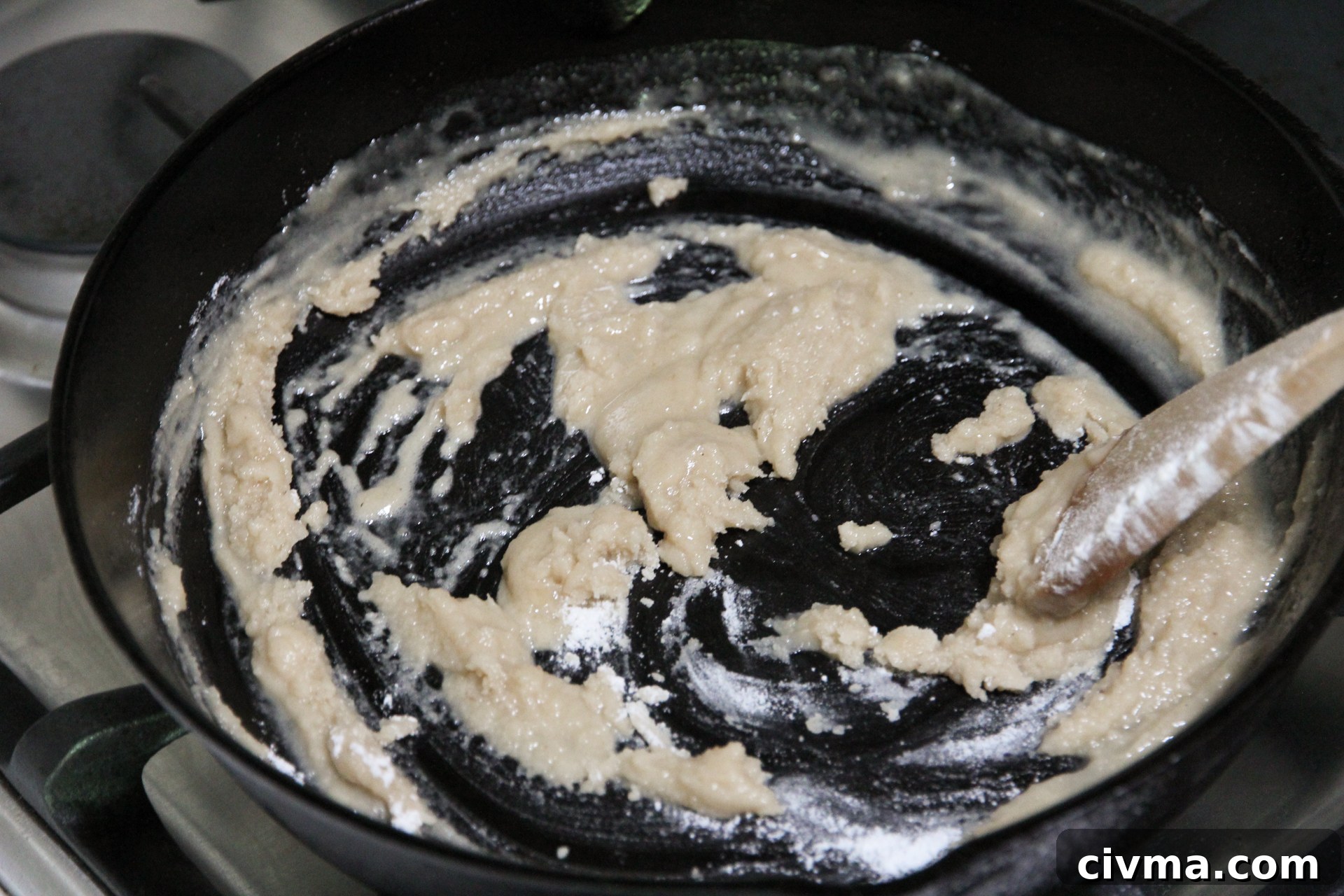
- Add the flour and stir with a wooden spoon to break up any lumps. You want a fairly thick paste at this point—more like a wet dough than a pourable liquid. If it seems too thin, add a little more flour, a tablespoon at a time.
- Cook the flour mixture over low heat for 2–3 minutes, stirring constantly to cook out the raw flour flavor. Be careful not to let it brown or burn.
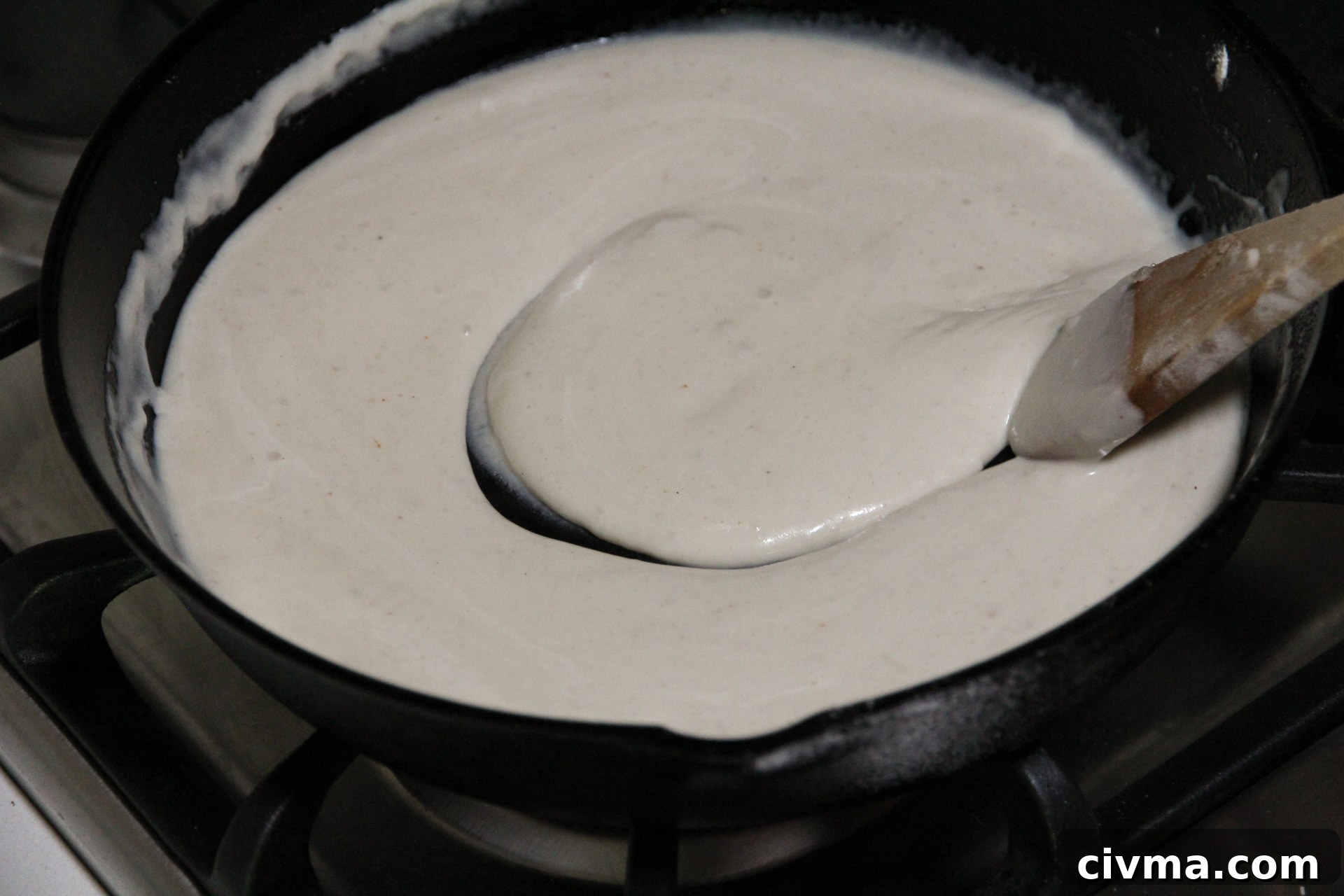
- Begin adding the milk slowly, whisking as you pour so the liquid is fully incorporated. The mixture will absorb the first additions quickly; keep adding milk and whisking until the gravy reaches a velvety, smooth consistency.
- Remember that the gravy will thicken as it cooks and as it cools slightly, so aim for a slightly looser texture while it’s still on the stove.
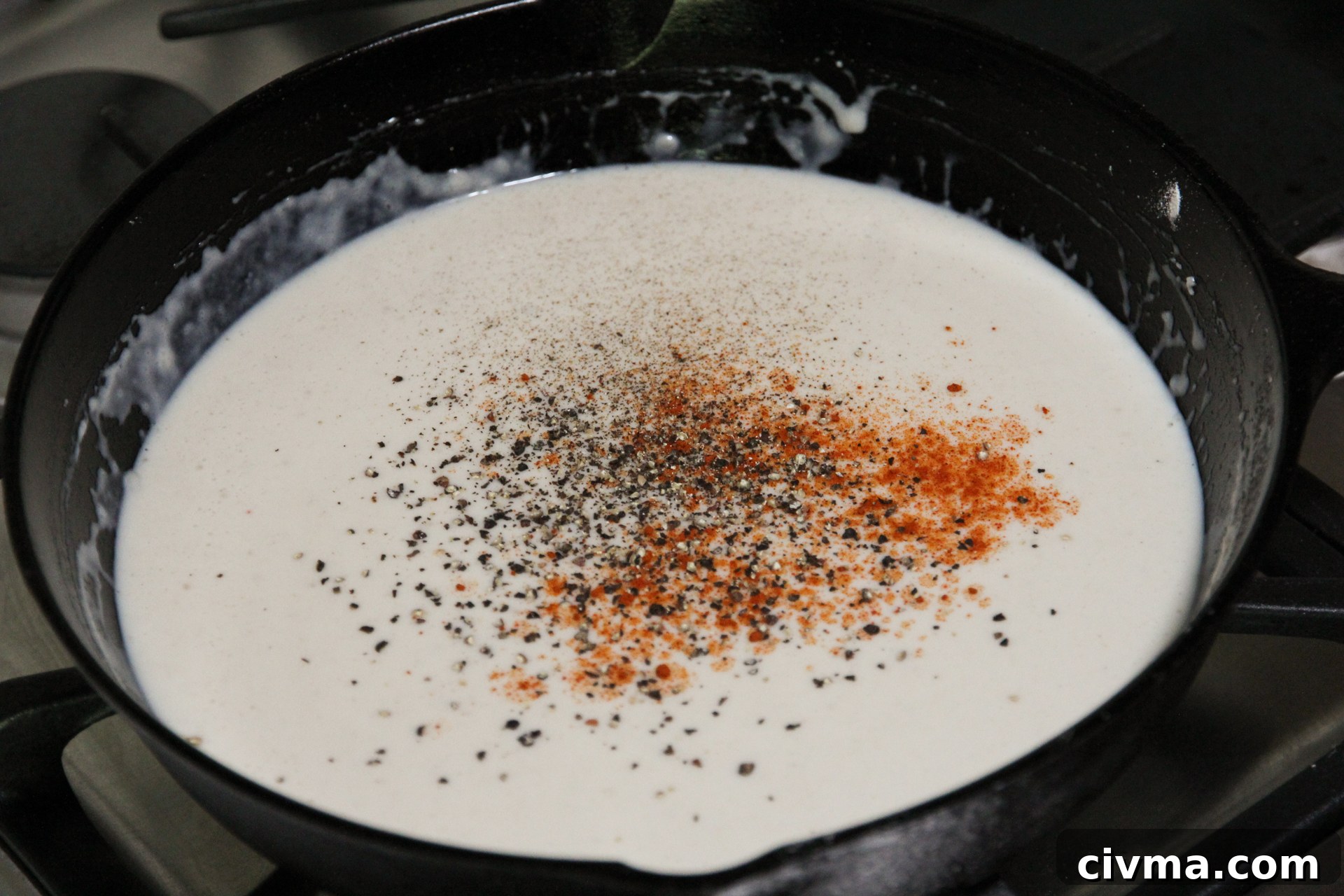
- Season with salt, black pepper, and a pinch of cayenne. Taste and adjust the seasoning.
- Stir in the chopped or shredded brisket and cook for another 1–2 minutes until the meat is warmed through. Serve immediately over warm biscuits, toasted bread, or alongside eggs for a hearty breakfast or brunch.
Notes
Gravy thickness is easy to control: add more milk a little at a time if it becomes too thick, or use less flour when making the roux if you prefer a thinner sauce. Whisking continuously while you add milk helps prevent lumps and creates a smooth, silky texture.
If you don’t have rendered brisket fat, you can substitute a mixture of butter and a splash of neutral oil. Using brisket fat, however, gives the gravy a unique smoky depth that pairs beautifully with the meat.
Leftover gravy will keep in the refrigerator—store it in a covered container and reheat gently over low heat, adding a splash of milk if needed to loosen it up. This gravy is excellent over biscuits, mashed potatoes, or even poured over roasted vegetables for an indulgent twist.