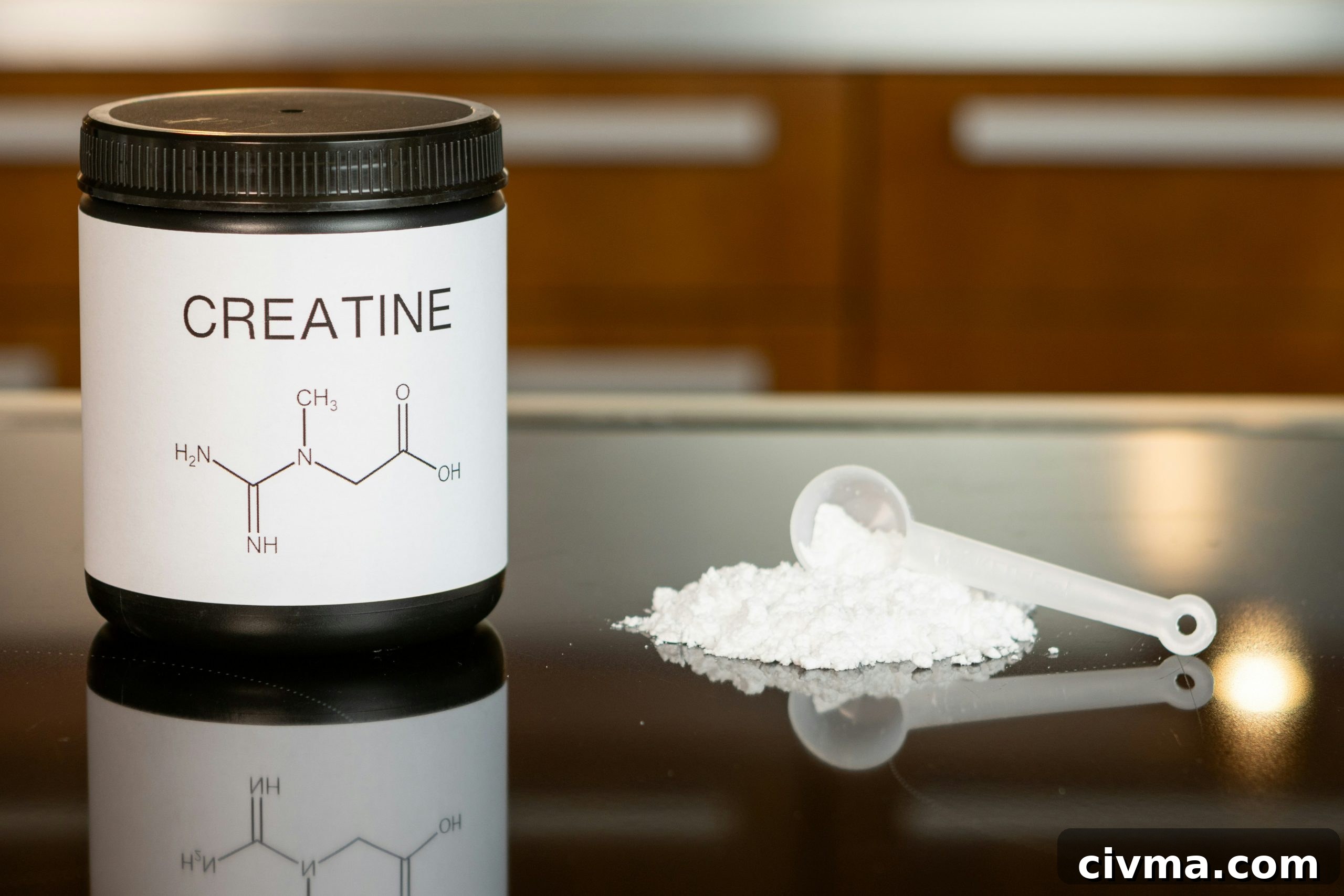
Creatine isn’t just for athletes. Here’s why women at every life stage, from your 30s through menopause and beyond, are talking about it, and what the research actually says.
I get asked about creatine all the time—especially by women curious about safety, effectiveness, and side effects. Common questions I hear include:
- Is creatine safe?
- Do I need to exercise to benefit from it?
- Will it make me bulky?
- Does it cause bloating or water retention?
Creatine is one of the supplements I both recommend and take, and it deserves a clear, practical explanation rather than a quick yes-or-no. Below I cover what creatine is, why it matters for women across different life stages, how to take it, and what to expect.
What is creatine?
Creatine is a naturally occurring compound made from amino acids and stored primarily in muscle tissue. It helps the body produce ATP, the molecule that fuels short bursts of high-intensity activity and supports cellular energy overall. Small amounts of creatine come from foods like meat and fish, but dietary intake alone rarely reaches levels shown to produce the benefits seen in research.
Supplementing increases your body’s creatine stores, which can improve muscle function, brain energy, and recovery. And no—creatine does not make most women bulky. That misconception comes from associations with bodybuilding, but typical doses and the way women’s bodies respond mean bulking is not a common outcome.
Why is creatine getting attention among women, especially in midlife?
Because emerging and established research supports benefits beyond strength training. Key areas where creatine can help include:
- Muscle and metabolic support. After about age 40, many women begin losing muscle mass (sarcopenia), which affects metabolism and overall strength. Creatine improves muscle energy availability and supports strength, helping slow age-related muscle loss even if you aren’t doing heavy weight training.
- Brain health and clarity. The brain demands a lot of energy. Creatine supports that energy supply, and studies suggest it can improve memory, attention, and cognitive performance—effects that can be particularly helpful during perimenopause and menopause, when many women report brain fog.
- Mood and stress resilience. Creatine supports neurotransmitter systems involved in mood regulation. Some research links adequate creatine levels to better mood and reduced anxiety, which can be meaningful during hormonal transitions and high-stress periods.
- Recovery and reduced fatigue. For people who exercise, creatine speeds recovery and reduces soreness. Even without formal exercise, creatine can reduce general fatigue and make daily tasks feel easier.
- Sleep support. Early research indicates creatine may aid the brain’s recovery from poor or insufficient sleep, offering another reason to consider it if sleep is inconsistent.
Does life stage matter?
Yes. Creatine can be useful across life stages, though the reasons you take it may change. During the menstrual years it can support energy, exercise performance, and mood. Pregnancy research is more limited and any supplementation during pregnancy should be discussed with your healthcare provider. After childbirth, creatine can aid rebuilding strength. In perimenopause and menopause, it becomes particularly valuable for preserving muscle, maintaining metabolism, and supporting cognitive function. Women under 40 can benefit too—creatine is not limited to older adults—but it often becomes more important with age.
Do you have to exercise to take creatine?
No. While creatine is well-known for enhancing exercise performance, many benefits—such as improved cognitive energy, mood stability, and reduced general fatigue—occur regardless of exercise. That said, if creatine motivates you to move more because you feel stronger and less tired, that’s an added advantage.
Recommended type and dosage
The most researched form is creatine monohydrate; it’s effective, affordable, and reliable. For general health and muscle support, 3–5 g per day is standard. For cognitive benefits, some studies use slightly higher doses (5–8 g per day), but many people will see benefits within the 3–5 g range. A loading phase (20 g+ per day for a week) is unnecessary for most people and can increase the chance of digestive upset. Consistent daily dosing without loading is simpler and gentler. Timing is flexible—take it when it fits your routine. Creatine is tasteless and mixes easily into smoothies, water, or other drinks.
Does creatine cause bloating or water retention?
Creatine draws water into muscle cells, which is part of how it supports strength and recovery. You might see a small weight increase—often 1–3 pounds—during the first week or two, which reflects intracellular water in muscle, not the puffy, uncomfortable bloating people worry about.
True bloating and visible puffiness come from extracellular fluid and are usually linked to factors like sodium intake, hormones, gut health, or inflammation—not creatine itself. Some women do experience mild digestive discomfort initially, typically from high single doses or taking it on an empty stomach. If that happens, try smaller doses (2–3 g), take it with food, and stay well hydrated. Most digestive sensitivity resolves within a week or two.
Skipping the old “loading” protocol reduces the chance of GI issues and produces the same long-term increase in muscle creatine stores when taken daily.
Final thoughts
Creatine is one of the most studied supplements available, with a strong safety profile and benefits that matter for women at many stages of life. It’s not a dramatic overnight fix; rather, it offers steady support for muscle, brain, energy, and recovery over time. If you’re in your 40s or beyond and haven’t considered it, it’s worth discussing with your healthcare provider. And if you avoided creatine because you thought it was only for bodybuilders, the evidence suggests it’s worth a fresh look.
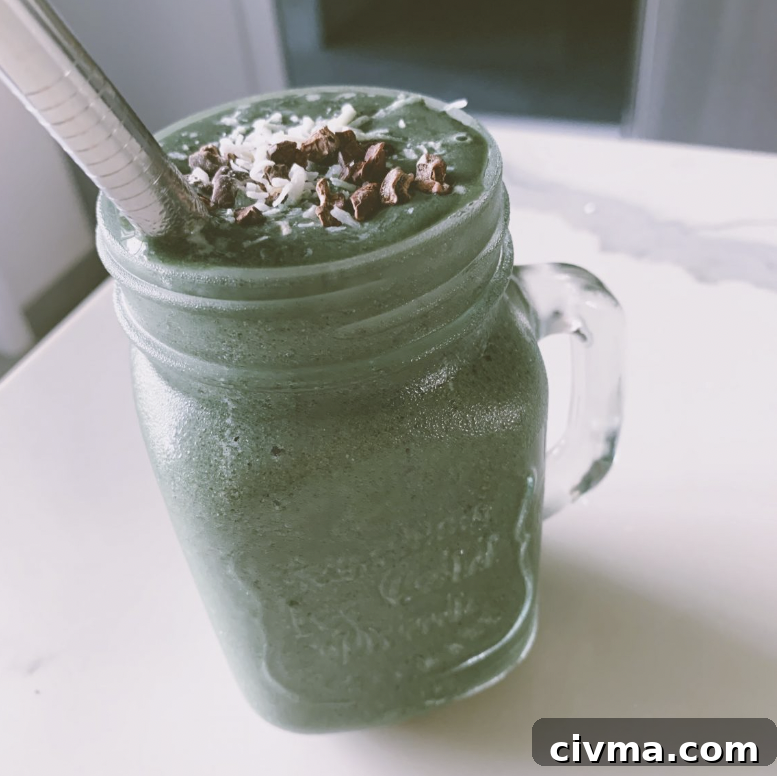
I like adding my creatine to smoothies. Here are two smoothie recipes I enjoy:

Arabian Morning Smoothie
Chocolate Covered Strawberries Smoothie